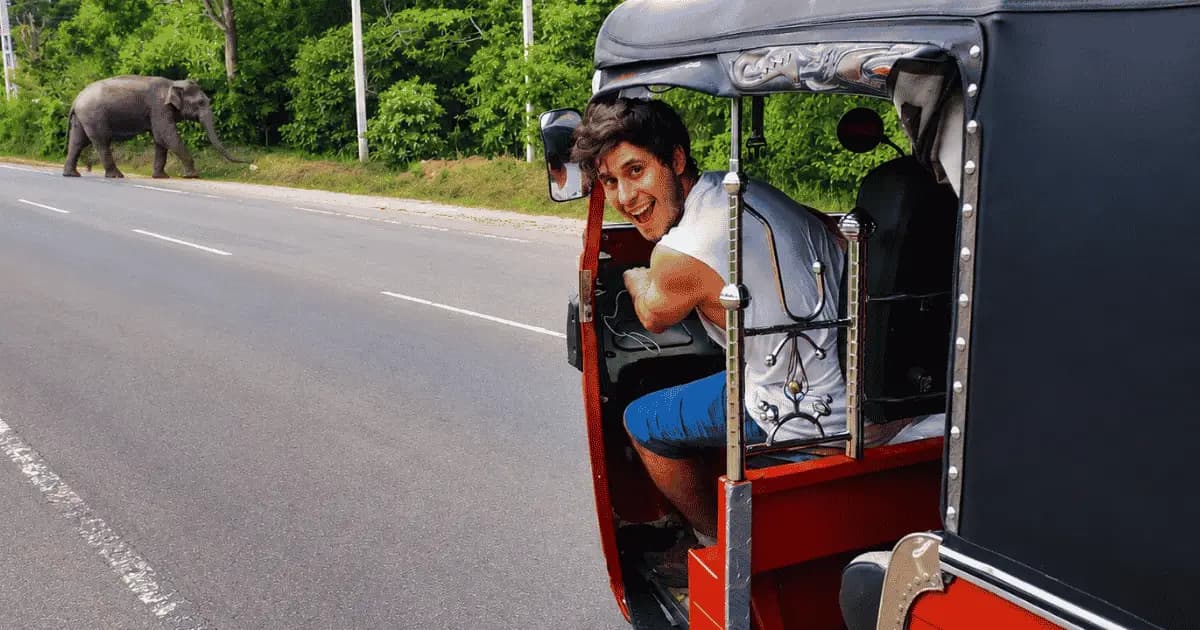
Sri Lanka is not the kind of destination travelers simply "visit."
It is an island people move through slowly — an island where every few hours the scenery, climate, culture, food, and atmosphere transform completely.
This guide to the full Sri Lanka experience covers the journey the way most travelers actually make it — from the coast to the mountains, through the ancient kingdoms, and back to the sea.
One moment you are driving beside tropical beaches lined with fishing boats and palm trees. A few hours later, you are climbing through mist-covered tea mountains where the air becomes cold enough for a jacket. Continue deeper into the island and ancient ruins begin appearing beside jungle lakes while wild elephants emerge silently from the forests at sunset.
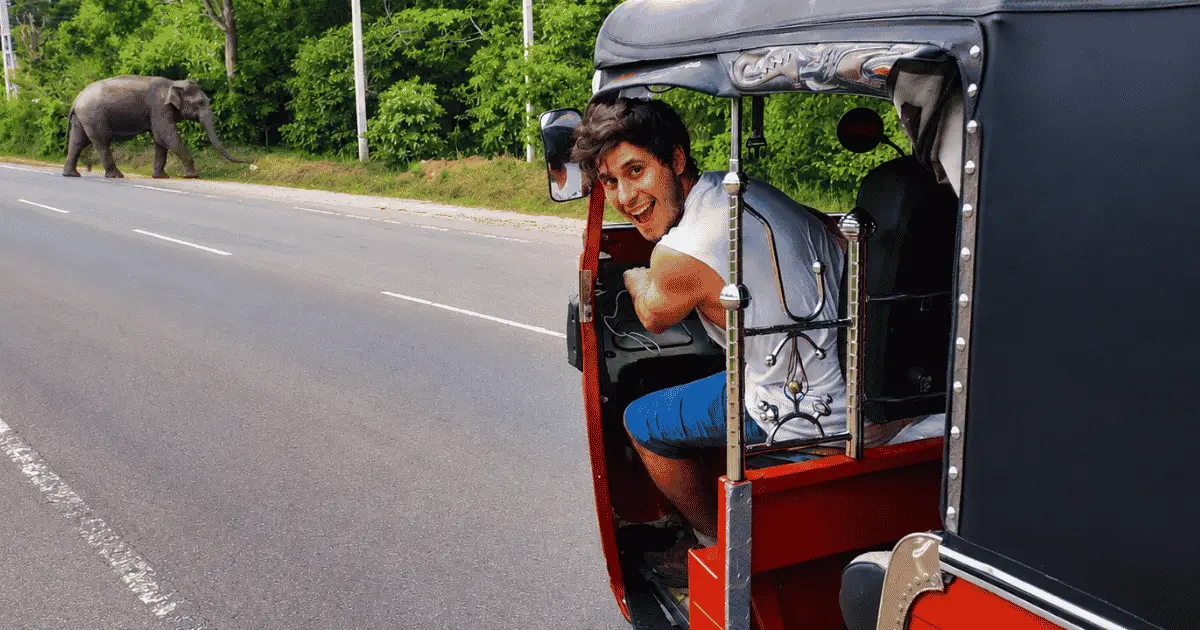
That constant transformation is what makes Sri Lanka feel so immersive. For many travelers, especially those exploring by tuk tuk, the island quickly becomes less about checking destinations off a list and more about experiencing the journey itself.
The roadside fruit stalls, the hidden beaches, the train crossings through the mountains, the conversations with locals that completely reshape the day — Sri Lanka feels alive in a way few destinations still do.
Where Most Journeys Begin — Negombo
Most journeys begin in Negombo, the laid-back coastal town near Sri Lanka's international airport. After long flights, Negombo becomes the perfect soft introduction to the island. Fishermen repair their nets beside the lagoon while seafood restaurants fill the beach roads and tropical sunsets slowly fade into warm coastal evenings.
Unlike the faster pace of Colombo, Negombo feels calmer, easier, and deeply connected to the ocean. Many travelers spend their first days simply adjusting to island life — eating fresh seafood, drinking king coconuts beside the beach, and watching tuk tuks move through the streets beneath swaying palms.
Read the Negombo Travel Guide →
Sigiriya & the Cultural Triangle
As travelers leave the coastline behind and begin driving inland, Sri Lanka slowly transforms again. The roads become quieter. Rice fields replace beach towns. Dense forests begin appearing beside reservoirs and village roads.
Eventually, rising dramatically above the jungle landscape, Sigiriya appears in the distance. For many travelers, this becomes the moment the real Sri Lanka journey begins.
Sigiriya itself feels almost unreal. The massive rock fortress rises nearly 200 meters above the surrounding plains, holding the remains of an ancient royal palace built more than 1,500 years ago. Climbing toward the summit through ancient staircases, giant boulders, water gardens, and the famous Lion's Paw entrance becomes one of the most memorable experiences anywhere in Sri Lanka.
The Cultural Triangle feels completely different from the coast. Ancient ruins sit hidden among forests while village life still moves slowly beside lakes and jungle roads. What many travelers remember most is not only the rock itself — it is the atmosphere surrounding it. Cycling through village roads, watching elephants cross distant fields at sunset, and listening to jungle sounds at night from small guesthouses hidden among the trees. The region naturally slows people down.
Read the Sigiriya Travel Guide →
Anuradhapura & Polonnaruwa — The Ancient Kingdoms
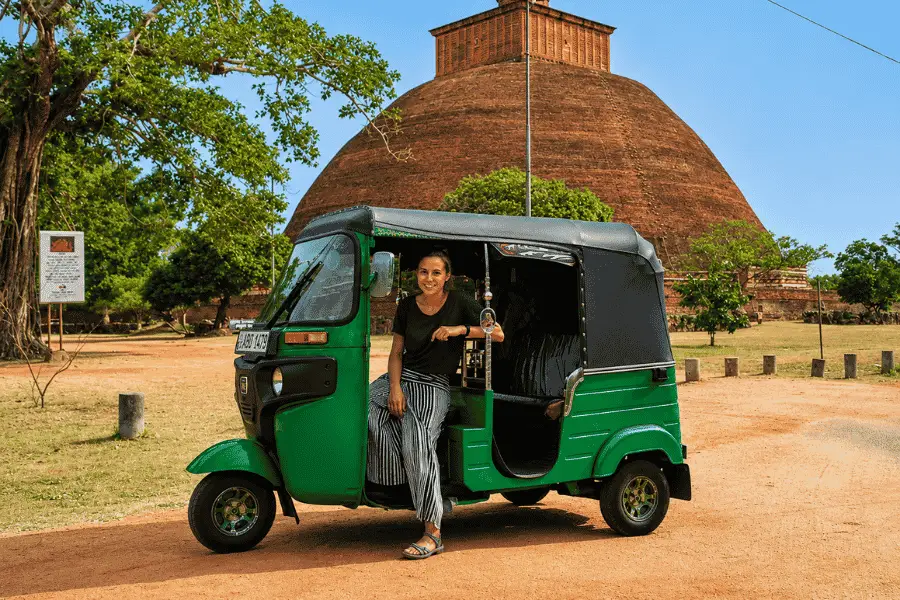
Nearby, places like Anuradhapura and Polonnaruwa reveal the scale of Sri Lanka's ancient civilizations even further. These were once enormous royal kingdoms filled with monasteries, reservoirs, temples, and advanced irrigation systems built centuries before many parts of the world modernized.
Today, travelers wander between sacred stupas, ancient stone carvings, forest monasteries, and ruins slowly being reclaimed by nature. Unlike heavily commercialized historical sites elsewhere in the world, many of Sri Lanka's ancient cities still feel deeply spiritual and connected to everyday local life.
Read the Anuradhapura Travel Guide →
Read the Polonnaruwa Travel Guide →
Wildlife in the Heartland
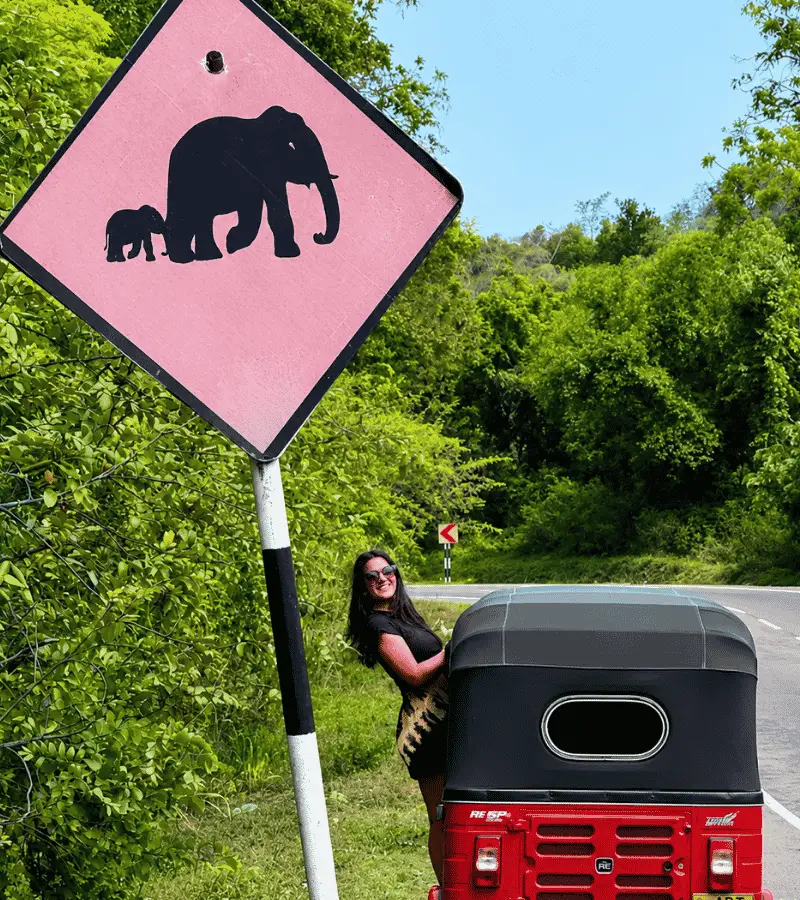
Wildlife also becomes part of everyday life throughout this region. Around Habarana, safari experiences blend naturally into the landscape. Elephants move between forests and reservoirs while peacocks wander beside village roads and eagles circle silently above the lakes.
For many travelers, safaris at Minneriya National Park and Kaudulla become some of the most moving wildlife experiences in Sri Lanka — especially during "The Gathering," when enormous elephant herds move together across the dry-zone grasslands. Unlike African safaris focused mainly on predators, Sri Lanka's wildlife experiences often feel softer, quieter, and deeply connected to the surrounding landscape.
Kandy — Sri Lanka's Cultural Capital
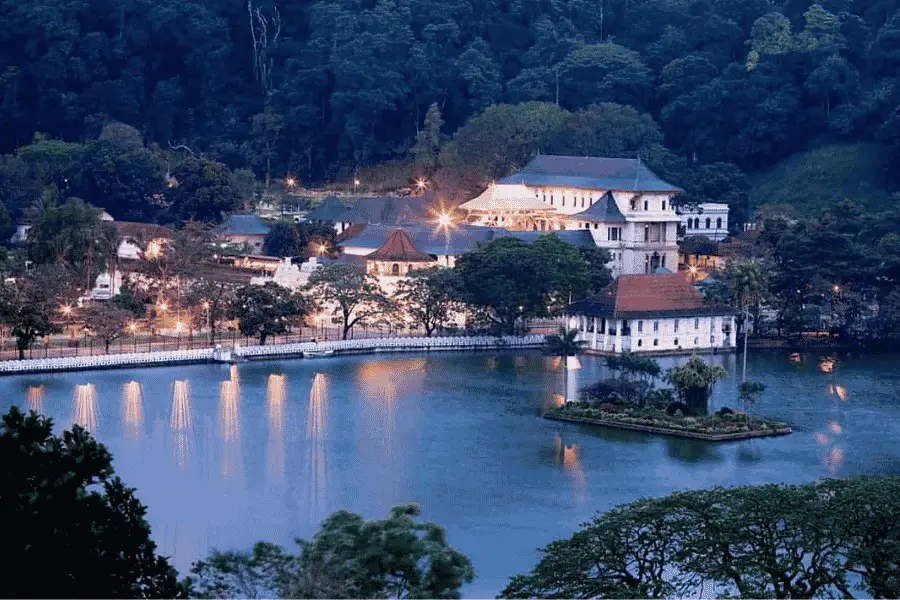
As the journey continues toward Kandy, the flat jungle roads slowly disappear. The scenery becomes greener. The roads begin winding through hills. The air cools slightly.
Kandy feels like the bridge between Sri Lanka's ancient kingdoms and its mountainous heartland. Centered around a lake and surrounded by forest-covered hills, the city remains one of the island's most culturally important places. The Temple of the Sacred Tooth Relic continues attracting pilgrims from across the Buddhist world while markets, colonial buildings, temples, cafés, and old streets create an atmosphere unlike anywhere else in Sri Lanka.
What makes Kandy stand apart is how alive it still feels culturally. This is not a museum city frozen in time. It is a living cultural capital where traditions still exist naturally within everyday life.
Nuwara Eliya — Tea Country & Cold Mornings
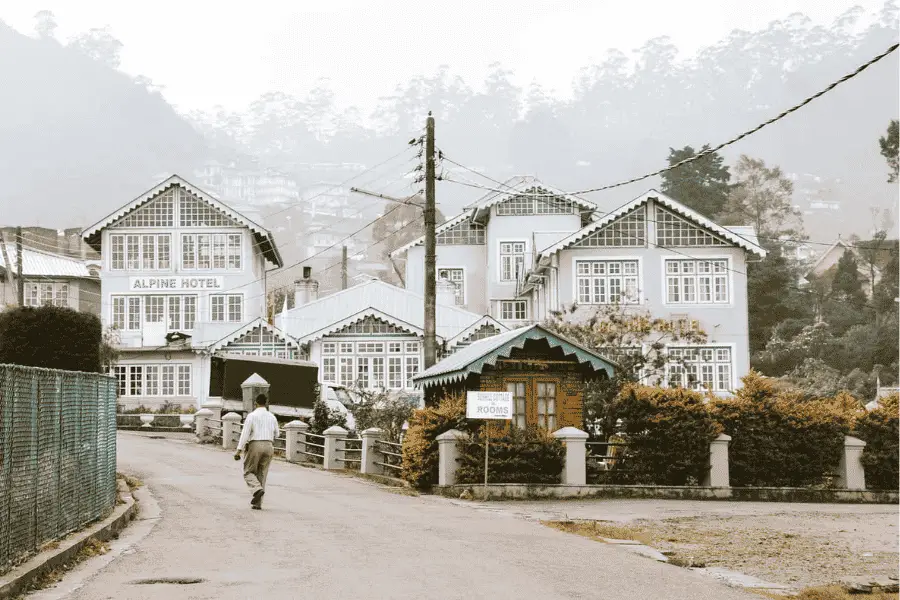
Beyond Kandy, the island transforms once again as the roads climb higher into Sri Lanka's hill country. The drive toward Nuwara Eliya passes through some of the most beautiful mountain scenery on the island. Endless tea plantations cover the hillsides while waterfalls appear unexpectedly beside the roads and clouds drift slowly through the valleys beneath enormous open skies.
The tropical heat disappears entirely here. Mornings become cold and misty. Tea workers move through the plantations carrying baskets across the hillsides while old colonial buildings emerge from the fog. Often called "Little England," Nuwara Eliya still carries strong British colonial influence through its architecture, gardens, tea estates, and historic atmosphere. Yet despite the colonial history, the surrounding hill-country culture remains deeply Sri Lankan.
Read the Nuwara Eliya Travel Guide →
Ella — Where Travelers Stay Longer Than Planned
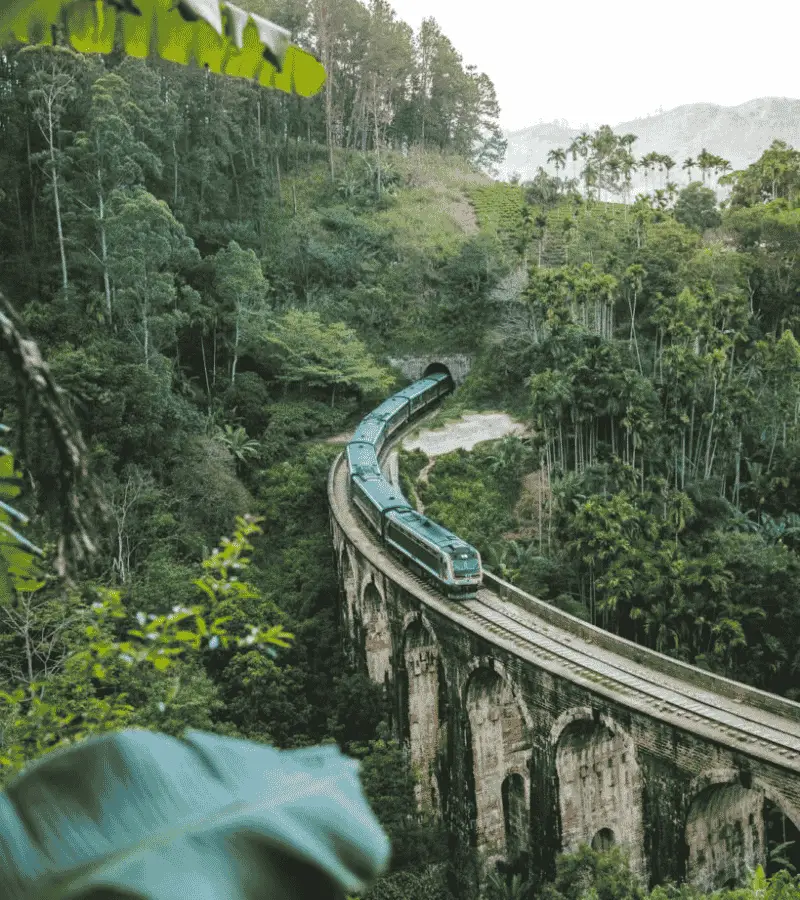
For many travelers, the mountain journey reaches its peak in Ella. Ella feels youthful, adventurous, and deeply connected to nature. Days revolve around hiking trails, waterfalls, train journeys, mountain cafés, and long slow mornings overlooking the valleys.
The roads surrounding Ella are some of the most scenic anywhere on the island. Blue trains move through the mountains while fog drifts across tea plantations and waterfalls emerge from the forests after the rain. Unlike faster-paced destinations, Ella naturally encourages travelers to slow down and stay longer than planned. And many do.
The Southern Coastline
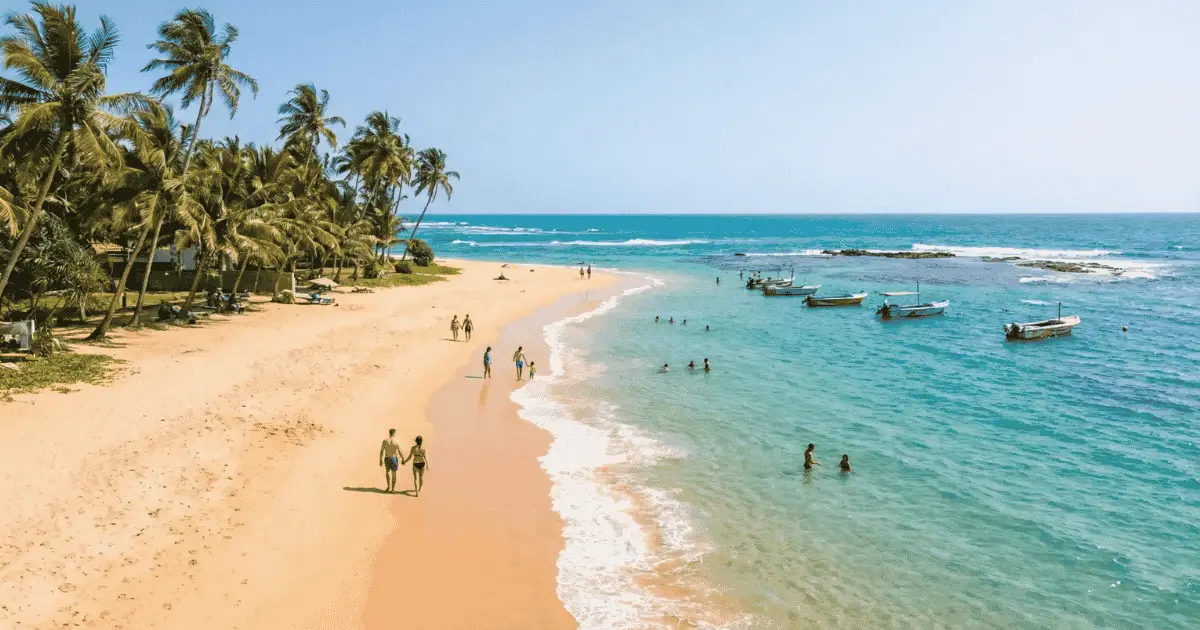
Eventually, the mountain roads begin descending once again toward Sri Lanka's southern coastline. The cold air disappears. Palm trees return. The ocean slowly reappears beside the roads. And suddenly the island feels tropical again.
Destinations like Tangalle, Mirissa, Weligama, and Ahangama have become some of Sri Lanka's most loved coastal regions because they combine surf culture, beach cafés, tropical scenery, seafood, whale watching, and relaxed island living into one remarkable stretch of coastline. People spend entire days here — watching surfers, drinking coffee beside the ocean, driving tuk tuks along palm-lined roads, and eating fresh seafood until long after dark.
Read the Tangalle Travel Guide →
Read the Mirissa & Ahangama Travel Guide →
The Eastern Coast & the Far North
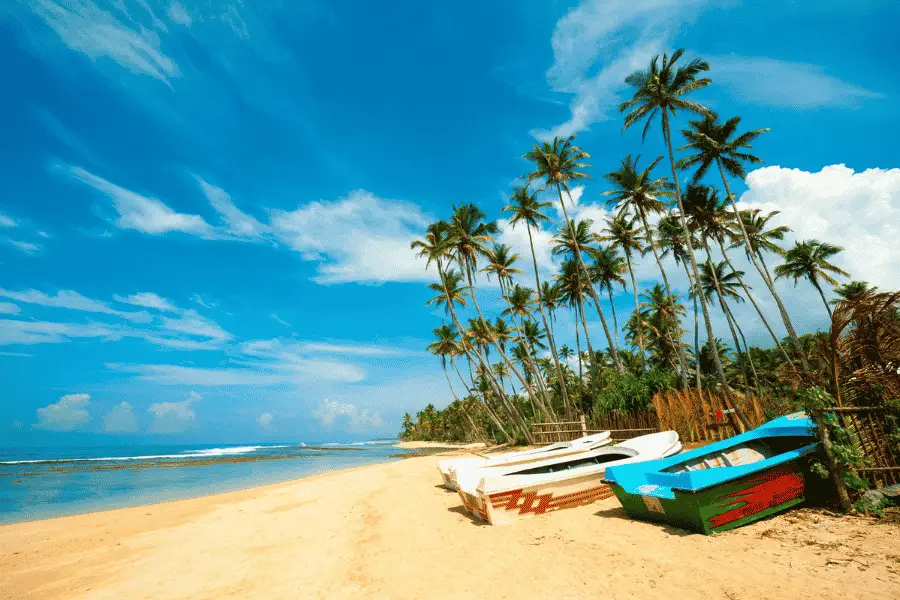
Yet even after seeing all of this, Sri Lanka still continues offering more. The quieter eastern coastline around Trincomalee and Arugam Bay reveals another side of the island entirely — one shaped by Tamil culture, surf towns, lagoons, sacred Hindu temples, and calmer beaches far removed from the busier southern coast.
Meanwhile, the far north around Jaffna introduces travelers to an entirely different cultural atmosphere, where Hindu temples, island communities, northern cuisine, and long quiet roads create one of the most distinct travel experiences anywhere in Sri Lanka.
Read the Trincomalee Travel Guide →
Read the Arugam Bay Travel Guide →
Read the Jaffna Travel Guide →
What the Full Sri Lanka Experience Actually Feels Like
What ultimately makes Sri Lanka stay with travelers is not simply its landmarks. It is the movement between them. The constant change. The feeling that every road leads somewhere completely different.
And for travelers exploring slowly, especially by tuk tuk, the island becomes less about sightseeing and more about experiencing Sri Lanka itself.
Because here, the road is never just the road. It becomes part of the story.
Frequently Asked Questions — Full Sri Lanka Experience
How long does it take to travel across Sri Lanka by tuk tuk?
A full loop of Sri Lanka by tuk tuk typically takes 3–6 weeks depending on pace and the number of destinations. A focused 2-week trip can cover the key highlights from Negombo to Kandy, the hill country, the south coast, and Yala. The more time you have, the more the journey reveals.
What is the best route to explore Sri Lanka?
Most travelers follow a loose clockwise loop: Negombo → Cultural Triangle (Sigiriya, Anuradhapura, Polonnaruwa) → Kandy → Hill Country (Nuwara Eliya, Ella) → South Coast (Tangalle, Mirissa) → Yala, then back north. This gives a natural progression from coast to mountains to wildlife and back to the sea.
What is the best time of year to visit Sri Lanka?
Sri Lanka has two monsoon seasons affecting different parts of the island at different times. December to March is ideal for the west and south coasts. June to September suits the east coast and the Cultural Triangle. The hill country and Kandy can be visited year-round, though April to August is typically most pleasant.
How many days do you need for a full Sri Lanka trip?
A minimum of 14 days allows you to cover the major highlights at a reasonable pace. 21 days gives you time to explore more slowly and spend longer in places that deserve it. Most tuk tuk travelers plan for 3–5 weeks to truly experience the island rather than just pass through it.
Can you travel the whole of Sri Lanka by tuk tuk?
Yes. Sri Lanka's road network is well-suited to tuk tuks across most of the island. The main exception is inside national parks like Yala, which require a licensed safari jeep. All cultural sites, hill country routes, coastal roads, and city streets are fully navigable by tuk tuk.