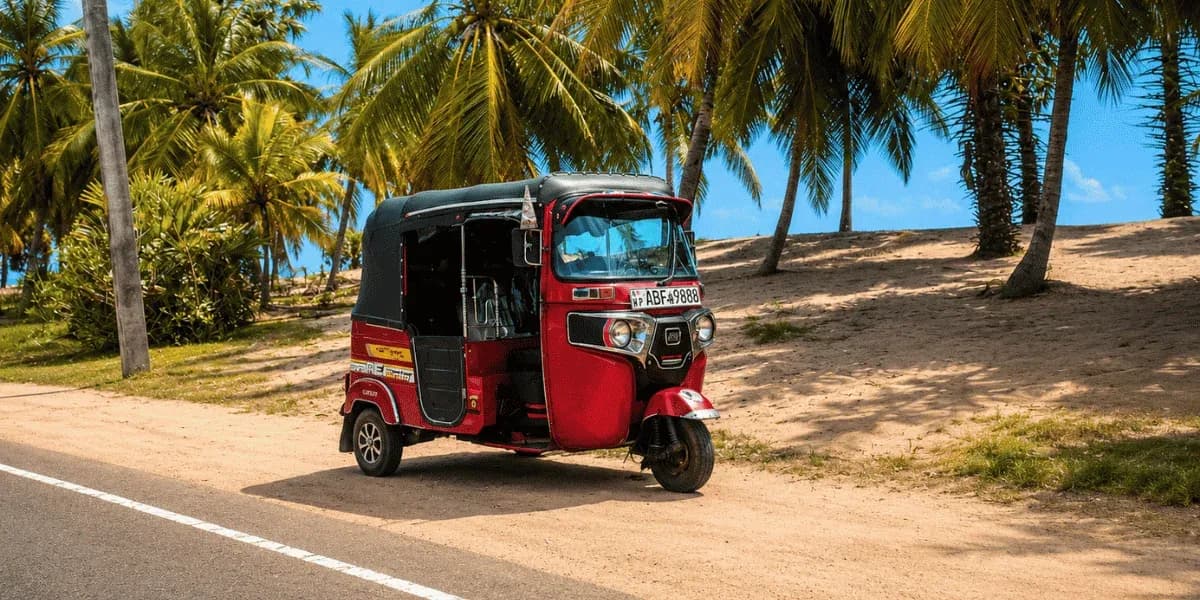
Traveling into Jaffna feels like entering a completely different side of Sri Lanka. The landscapes become flatter and drier, palmyra trees begin appearing beside the roads, Hindu temple towers rise above busy town streets, and the culture, language, food, and atmosphere slowly shift into something entirely different from the southern and central parts of the island.
For many travelers exploring Sri Lanka by tuk tuk, Jaffna becomes one of the most eye-opening and memorable destinations on the journey. Unlike the beach towns of the south or the cooler hill-country regions, northern Sri Lanka offers a deeply cultural experience shaped by centuries of Tamil heritage, Hindu traditions, colonial history, fishing communities, and the resilience of local people after decades of civil conflict.
The region feels authentic, local, and far less touristy compared to many of Sri Lanka's more popular destinations. For travelers willing to continue further north and west toward Mannar, the journey becomes even more rewarding.
What Makes Jaffna Different
Jaffna feels culturally distinct from almost everywhere else in Sri Lanka. Tamil is the primary language spoken here, Hindu temples dominate the skyline, traditional northern cuisine replaces the flavors of the south, and the overall rhythm of life feels slower, quieter, and deeply rooted in tradition.
The influence of Tamil culture, Hindu religion, Portuguese and Dutch colonial history, and generations of northern traditions can be seen throughout the city and surrounding villages. Travelers quickly notice colorful kovils rising above crowded streets, bicycles moving slowly through village roads, quiet coastal communities surrounded by lagoons, and markets filled with northern spices, dried seafood, palmyra products, and traditional sweets.
Driving to Jaffna by Tuk Tuk
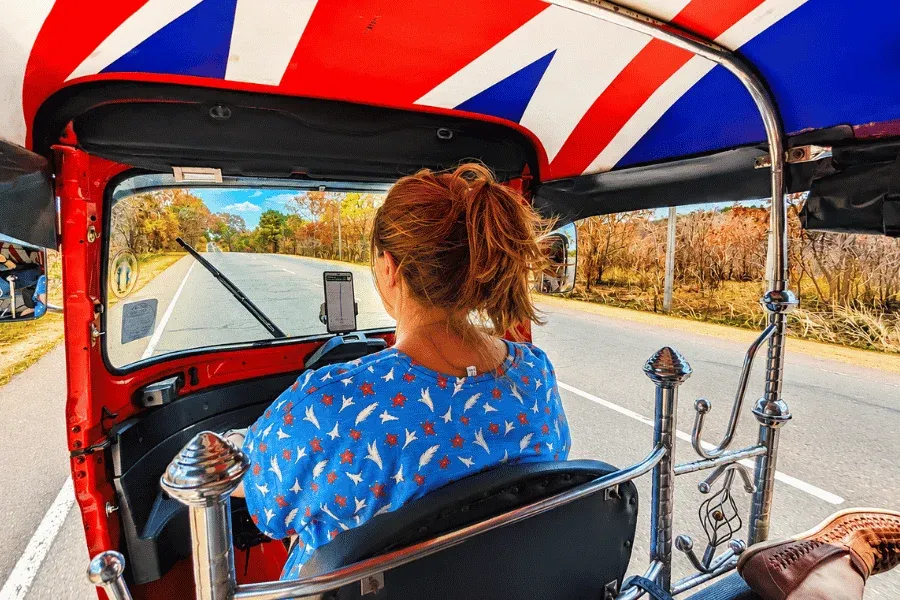
Driving north toward Jaffna feels completely different from driving through Sri Lanka's mountains or southern coastline. The roads become longer, flatter, and more open, passing through dry landscapes, salt flats, lagoons, palmyra forests, and small northern villages where daily life moves at a slower pace.
One of the most memorable parts of the journey is crossing Elephant Pass, the narrow stretch of land connecting the Jaffna Peninsula to the mainland. Surrounded by lagoons on both sides, the road feels almost surreal during sunrise or sunset when the light reflects across the water and salt flats. Compared to the hill country, driving in northern Sri Lanka feels calmer and less crowded, making it especially enjoyable for slow tuk tuk travel.
Visit Nallur Kandaswamy Kovil
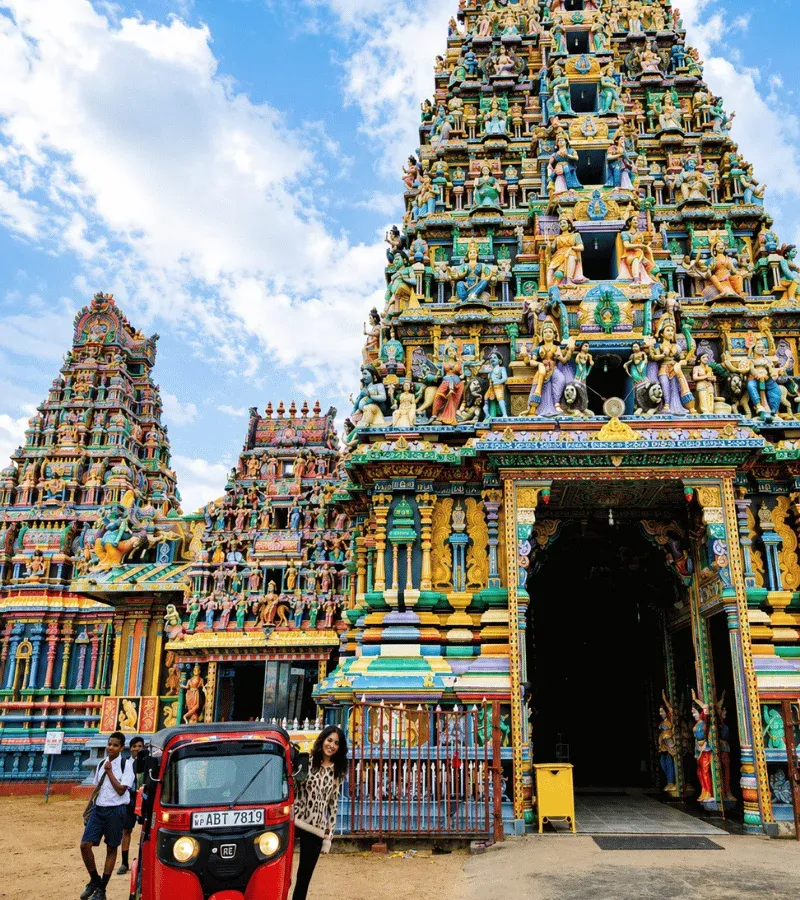
At the heart of Jaffna stands Nallur Kandaswamy Kovil, one of the most important Hindu temples in Sri Lanka and the spiritual center of the northern region. The temple is famous for its golden towers, detailed Dravidian architecture, traditional music, and deeply spiritual atmosphere.
Throughout the day, worshippers dressed in white arrive carrying flowers, coconuts, and offerings while temple bells and ceremonial drums echo through the surrounding streets. During the annual Nallur Festival, the entire area transforms into one of Sri Lanka's largest religious celebrations, filled with processions, rituals, traditional ceremonies, and thousands of devotees.
Even outside festival season, visiting the temple offers an unforgettable insight into northern Sri Lankan Hindu culture and traditions. Visitors should dress modestly with shoulders and knees covered, and shoes must be removed before entering the temple grounds.
Explore Jaffna Fort
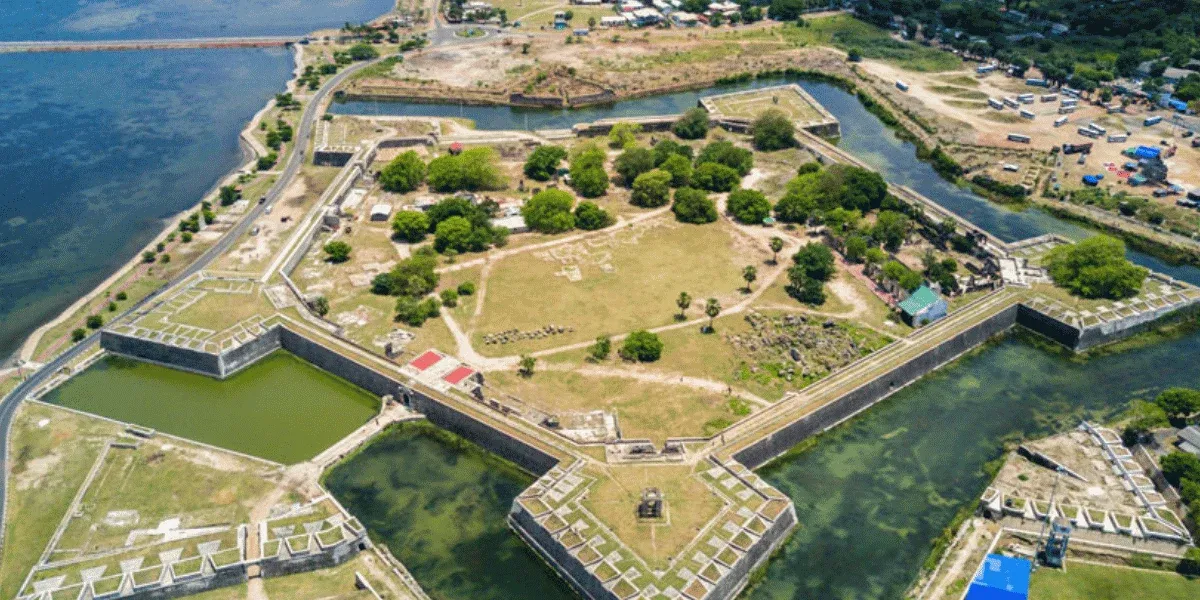
Built originally by the Portuguese and later expanded by the Dutch, Jaffna Fort remains one of the most historically important colonial structures in northern Sri Lanka. The massive fort overlooks the lagoon and still carries visible scars from the civil war, giving it a very different atmosphere compared to Sri Lanka's restored colonial sites in the south.
Walking through the old stone walls, travelers encounter abandoned buildings, watchtowers, sea views, and quiet corners where history feels deeply present. During sunset, the surrounding lagoon reflects warm golden light across the old fort walls, creating one of the most atmospheric locations in Jaffna.
Discover Delft Island
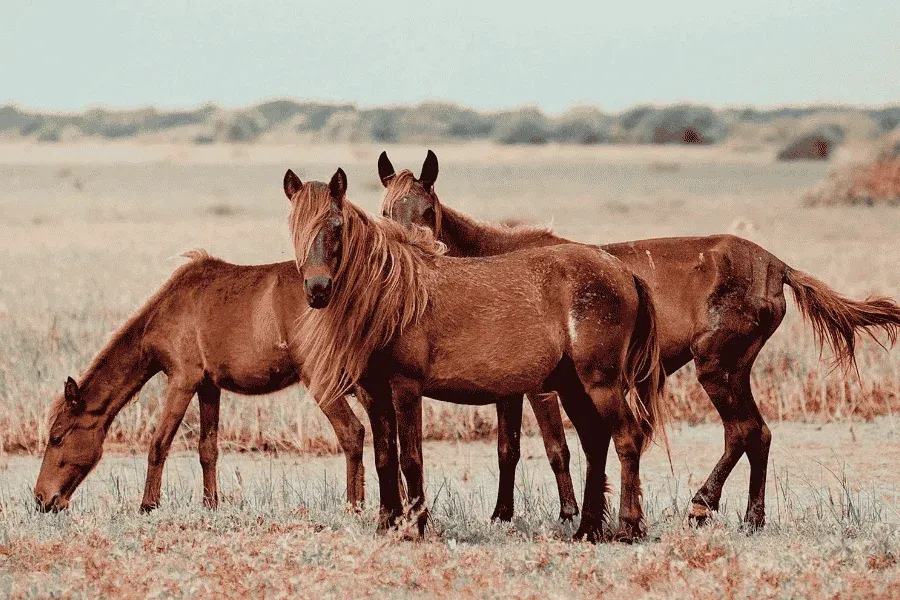
One of the most unique experiences in northern Sri Lanka is visiting Delft Island. Reached by local ferry, the island feels almost disconnected from the modern world. Wild horses roam freely across dry open landscapes, coral stone walls line quiet roads, and abandoned Dutch ruins sit surrounded by strong coastal winds and palmyra trees.
Exploring the island by bicycle or tuk tuk feels completely different from anywhere else in the country. The slower pace, quiet fishing villages, and open landscapes make Delft one of the most unforgettable places in northern Sri Lanka.
Visit Casuarina Beach
Near Karainagar lies Casuarina Beach, one of the calmest and safest beaches in northern Sri Lanka. The shallow waters and peaceful surroundings make it a relaxing escape from the intense northern heat. Compared to the crowded southern beaches, Casuarina feels quieter, more local, and far less commercialized.
The drive toward the beach itself is also part of the experience, passing through coastal villages, lagoons, fishing communities, and narrow causeways surrounded by water.
Visit Point Pedro
Driving toward Point Pedro allows travelers to reach the northernmost point of Sri Lanka. The route passes through dry countryside, fishing villages, palmyra groves, and quiet roads rarely visited by mainstream tourism. The coastline here feels rugged and remote, with rocky shores, strong winds, and open ocean views creating a completely different atmosphere from Sri Lanka's southern beaches. For many travelers, simply reaching the northern edge of the island becomes part of the adventure itself.
Explore the Northern Islands
The islands surrounding Jaffna are among the least explored regions in Sri Lanka and reveal a side of the country many travelers never see. Places such as Nainativu, Karainagar, and Delft Island offer quiet roads, fishing communities, temples, colonial ruins, and landscapes shaped by lagoons and ocean.
Traveling between the islands by local ferry becomes part of the experience, especially during the early mornings when fishermen, pilgrims, and local families move between the islands carrying goods and supplies. The islands feel slower, quieter, and deeply connected to the rhythms of the sea.
Visit Nagadeepa Temple & Keerimalai Springs
Nagadeepa Purana Viharaya is one of Sri Lanka's most important Buddhist pilgrimage sites and sits beside a major Hindu temple on Nainativu Island. Another important cultural site is Keerimalai Springs, a naturally occurring freshwater spring beside the ocean that has held spiritual significance for centuries. Nearby stands Naguleswaram Temple, one of the oldest Hindu temples in Sri Lanka and an important pilgrimage destination for Tamil Hindus.
The coastline surrounding the springs feels peaceful and windswept, offering a very different atmosphere from Sri Lanka's tropical southern beaches. Visitors entering religious sites should wear modest clothing, remove hats and shoes before entering sacred areas, and behave respectfully within temple grounds.
Jaffna's Unique Food Culture
One of the biggest reasons travelers fall in love with Jaffna is the food. Northern Sri Lankan cuisine feels completely different from what most visitors experience in the south or hill country. The flavors are deeper, smokier, spicier, and heavily influenced by Tamil cooking traditions that have evolved in the region for centuries.
Seafood plays a central role in daily life throughout Jaffna, and many travelers say the crab curry here is some of the best they eat anywhere in Sri Lanka. The famous Jaffna crab curry is known for its dark rich gravy, roasted spice mixture, black pepper, curry leaves, garlic, and intense heat created by northern spice blends.
Travelers should also try Odiyal Kool, Jaffna dosai, spicy mutton curries, string hoppers, ulundu vadai, fried seafood, and traditional sweets made using palmyra jaggery. Unlike many tourist-heavy restaurants in the south, eating in Jaffna often feels personal and local. Many of the best meals come from small family-run restaurants where recipes have been passed down through generations.
Experience Jaffna's Local Markets
Exploring Jaffna's local markets offers one of the best ways to experience everyday northern Sri Lankan life. Markets overflow with fresh seafood, spices, palmyra products, dried fish, tropical fruits, sweets, and local snacks while vendors move between crowded stalls speaking Tamil and negotiating prices. For travelers interested in photography, local interaction, or food culture, wandering through the markets often becomes one of the most memorable experiences in the city.
Continue Your Journey Toward Mannar
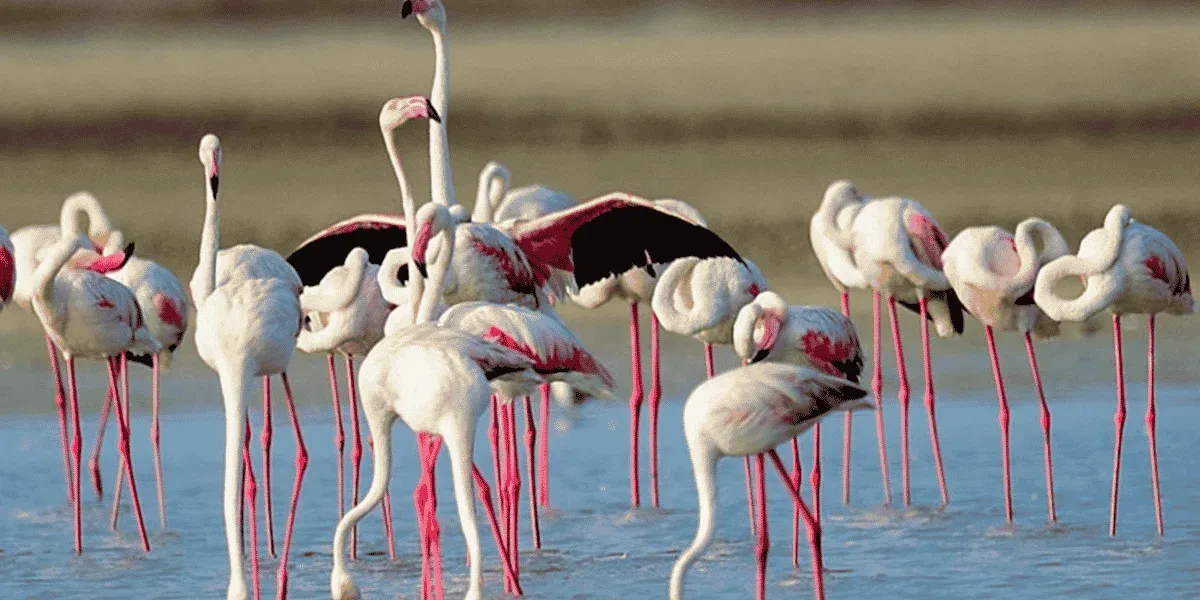
For travelers continuing west from Jaffna, Mannar becomes one of the most unexpected and rewarding destinations in northern Sri Lanka. The journey itself feels different from almost anywhere else on the island. The roads stretch through dry landscapes, giant baobab trees, salt flats, lagoons filled with birds, quiet fishing villages, and long empty coastal roads where tuk tuk travel feels peaceful and completely disconnected from mass tourism.
Compared to the cultural atmosphere of Jaffna, Mannar feels quieter, wilder, and more closely connected to nature and the sea. The island has long been shaped by fishing communities, Catholic traditions, colonial history, and centuries of trade routes linking Sri Lanka with South India. Even today, Mannar carries a remote frontier feeling that many travelers never expect to find in Sri Lanka.
Drive Across the Mannar Causeway
One of the most memorable parts of reaching Mannar is crossing the long causeway connecting the mainland to Mannar Island. Surrounded by shallow lagoons and open skies, the drive feels dramatic during sunrise or sunset when the light reflects across the water and fishing boats move slowly through the distance.
For tuk tuk travelers especially, this stretch becomes one of the most scenic drives in northern Sri Lanka. The landscape feels dry, open, and windswept, completely different from the tropical south.
Visit the Giant Baobab Tree
One of Mannar's most unusual landmarks is the famous baobab tree, believed to have been brought centuries ago by Arab traders. Massive, ancient, and unlike any tree normally found in Sri Lanka, the baobab has become one of the region's most recognizable symbols. Standing beneath its enormous trunk feels almost surreal, especially knowing the tree has survived generations of history, trade, and changing cultures along the northern coast.
Explore Mannar Fort
Built by the Portuguese and later occupied by the Dutch, Mannar Fort remains one of the quietest colonial forts in Sri Lanka. Unlike the busier colonial sites in the south, the fort sits peacefully beside the coast with very few crowds, giving the area a calm and atmospheric feeling. Walking through the old walls, churches, and surrounding streets reveals the strong colonial and Catholic influence that still shapes much of Mannar today.
Visit Adam's Bridge & Talaimannar
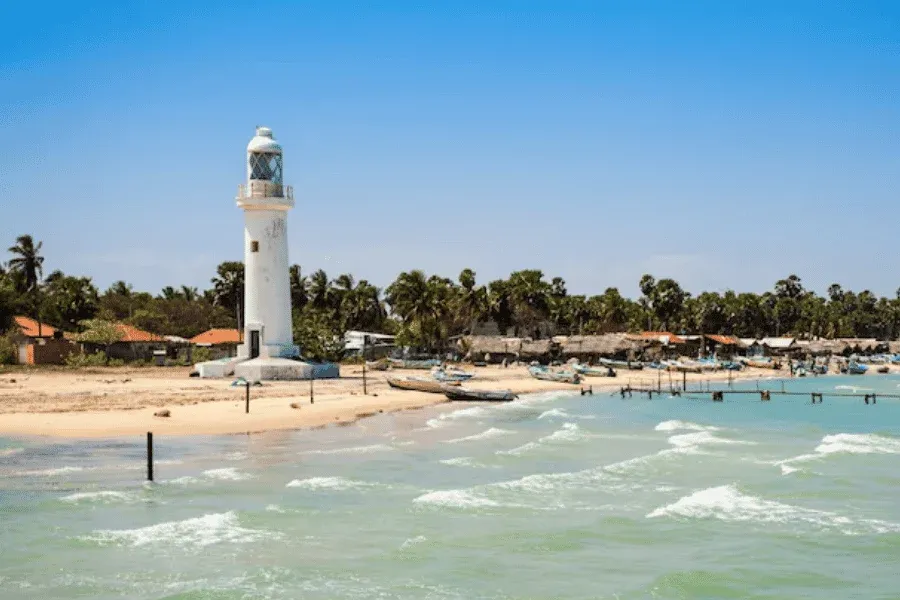
Driving toward Talaimannar reveals one of the most remote and fascinating coastlines in Sri Lanka. This region sits near the legendary Adam's Bridge, also known as Rama's Bridge — a chain of limestone shoals stretching between Sri Lanka and India.
The coastline feels isolated and windswept, with abandoned railway lines, old piers, fishing villages, and endless ocean views creating a feeling of standing at the edge of the island itself. For many travelers, reaching Talaimannar becomes less about sightseeing and more about experiencing the atmosphere of one of Sri Lanka's most remote corners.
Birdwatching & Lagoons
Mannar is also one of Sri Lanka's best regions for birdwatching. The lagoons, mudflats, and salt plains attract flamingos, pelicans, painted storks, and thousands of migratory birds during certain seasons. Driving slowly through the wetlands often reveals large flocks moving across the shallow water while fishermen work quietly through the lagoons.
For nature lovers and photographers, Mannar offers a side of Sri Lanka that feels peaceful, untouched, and deeply connected to the rhythms of the natural environment.
Experience Mannar's Seafood Culture
Life in Mannar revolves heavily around fishing and the sea. Small roadside restaurants and family-run eateries serve fresh crab, prawns, cuttlefish, fried fish, and spicy northern seafood curries influenced by both Tamil and Catholic coastal traditions. Meals here often feel simple, local, and authentic rather than designed for tourism.
Watching fishing boats return during sunset while the smell of drying fish and sea breeze fills the air becomes part of the entire Mannar experience.
Things To Do Around Mannar
Beyond the main town, Mannar offers quiet adventures that feel completely removed from Sri Lanka's usual tourist trail. Travelers can explore peaceful fishing villages scattered along the coastline, drive beside endless salt flats, visit remote churches shaped by Portuguese influence, or simply spend hours watching flamingos gather across the lagoons.
The area also offers incredible sunset views, especially near Talaimannar and the western coastline where the open skies create dramatic colors across the sea. Cycling and tuk tuk travel work especially well here because the roads remain relatively quiet and the landscapes feel open and easy to explore slowly. For travelers looking to experience a less commercialized side of Sri Lanka, Mannar becomes one of the best places in the country to slow down and simply absorb the atmosphere.
Continuing Your Journey From Mannar
From Mannar, travelers can continue south toward:
- Anuradhapura and Sri Lanka's ancient cultural triangle
- Wilpattu National Park for leopard and elephant safaris
- Kalpitiya for dolphin watching, kitesurfing, and quiet lagoon scenery
These routes pass through dry-zone forests, wildlife regions, coastal roads, and remote villages rarely included in standard Sri Lanka itineraries. Many tuk tuk travelers combine Jaffna and Mannar together as part of a larger northern road trip before returning toward Sri Lanka's cultural triangle or western coastline.
Why Northern Sri Lanka Leaves Such a Strong Impression
For many travelers, northern Sri Lanka becomes one of the most memorable parts of the entire island. The region feels culturally rich, historically layered, visually unique, and far removed from the more tourist-heavy areas of Sri Lanka.
From the spiritual atmosphere of Nallur Temple and the remote islands surrounding Jaffna to the windswept coastlines and quiet lagoons of Mannar, northern Sri Lanka offers experiences that feel authentic, raw, and deeply memorable.
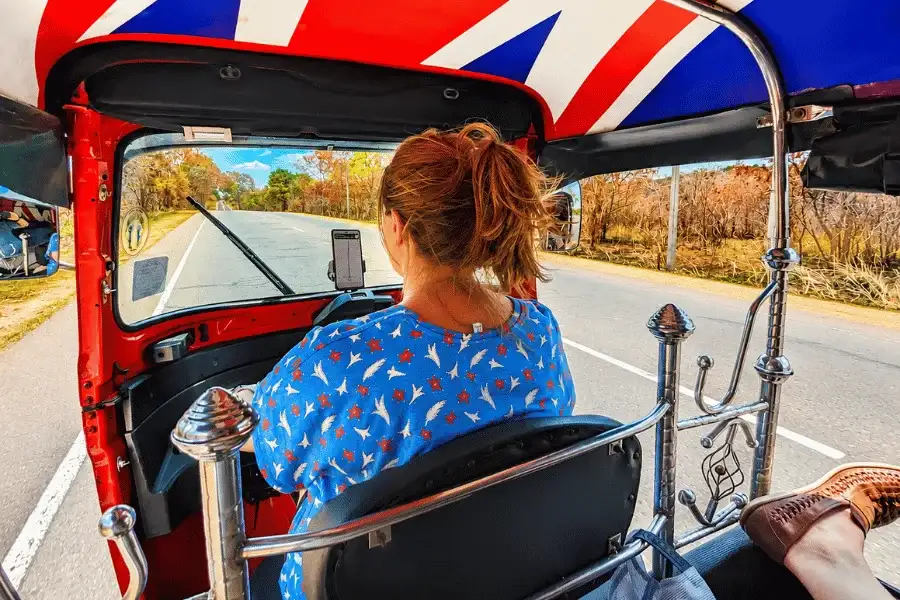
For tuk tuk travelers especially, the north becomes more than just another destination. It becomes the part of Sri Lanka that reveals how diverse, complex, and culturally fascinating the island truly is.
Frequently Asked Questions — Jaffna & Mannar
How far is Jaffna from Negombo by tuk tuk?
Jaffna is approximately 380–400 km north of Negombo. Most travelers break the drive over two days, stopping overnight in Anuradhapura. The roads are generally flat and straightforward north of Anuradhapura.
Is it safe to drive a tuk tuk to Jaffna?
Yes. The roads to Jaffna are safe and well-maintained. The north has been peaceful and open to tourism for many years. Fuel stations become less frequent on some northern routes, so plan stops carefully and carry the included extra fuel canister.
What is Jaffna known for in Sri Lanka?
Jaffna is the cultural capital of Sri Lanka's Tamil community. It is known for Nallur Kandaswamy Kovil (one of Sri Lanka's most significant Hindu temples), Jaffna Fort, the Northern Islands including Delft, Casuarina Beach, and a food culture distinctly different from the rest of the island.
Is Mannar worth visiting on a Sri Lanka tuk tuk trip?
Mannar is off the typical tourist route but worth the detour for travelers who want to see a rarely visited side of Sri Lanka. Key stops are the ancient Baobab tree, Mannar Fort, Adam's Bridge toward India, and lagoons that attract large flocks of flamingos and migratory birds.
What is Delft Island in Jaffna?
Delft (Neduntivu) is a remote island in the Jaffna lagoon accessible by ferry. It is known for wild ponies that roam freely across the island, Dutch colonial ruins, Baobab trees, and a landscape unlike anywhere else in Sri Lanka. The island has almost no tourism infrastructure.