Tuk Tuk Driving Guide
Read this before you hit the road. It covers starting the engine, gearing, road rules, breakdowns, and what to do when something unexpected happens.
Tuk Tuk Basics
What kind of vehicle you are driving, how to maintain it day-to-day, and what to check before you leave each morning.
Understanding Your Tuk Tuk
A tuk tuk is not a luxury vehicle. It is manufactured in India at a low cost — designed to be practical, affordable, and widely serviced across Asia. Small mechanical issues on the road are not unusual, but they are almost always quick and cheap to fix.
Every tuk tuk handles slightly differently, even vehicles from the same factory. We inspect and check everything before handing the vehicle to you.
If you need a roadside repair, pay a fair and reasonable rate and contact us first. Repairs authorised without our approval may not be covered by insurance.
Dashboard Controls
Fuel
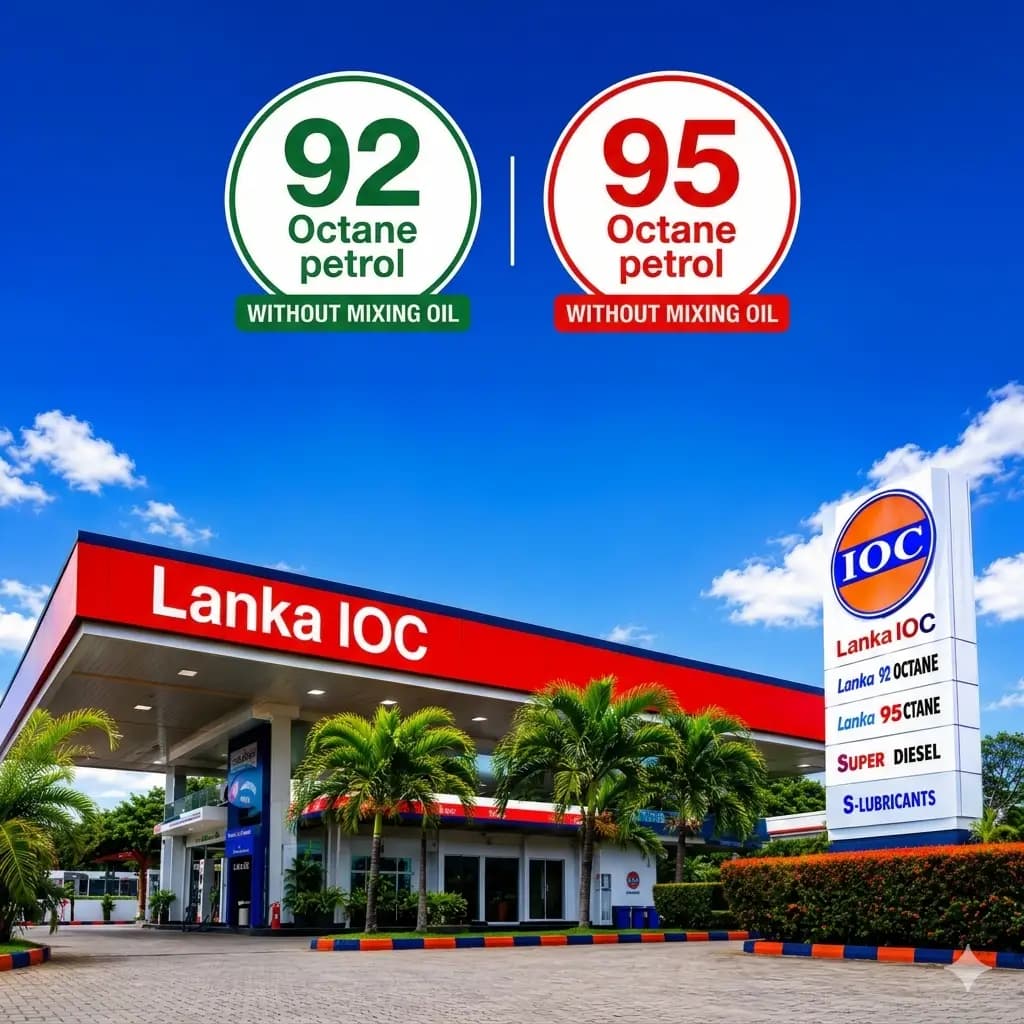
Use 92 or 95 octane petrol only. Never mix with oil. Never use diesel.
Tank capacity is 6 – 8 litres. You can travel roughly 25 km per litre — up to 175 km on a full tank. Refill every 100 km to stay safe.
Sri Lanka does not have self-service pumps. A station attendant handles the fill.
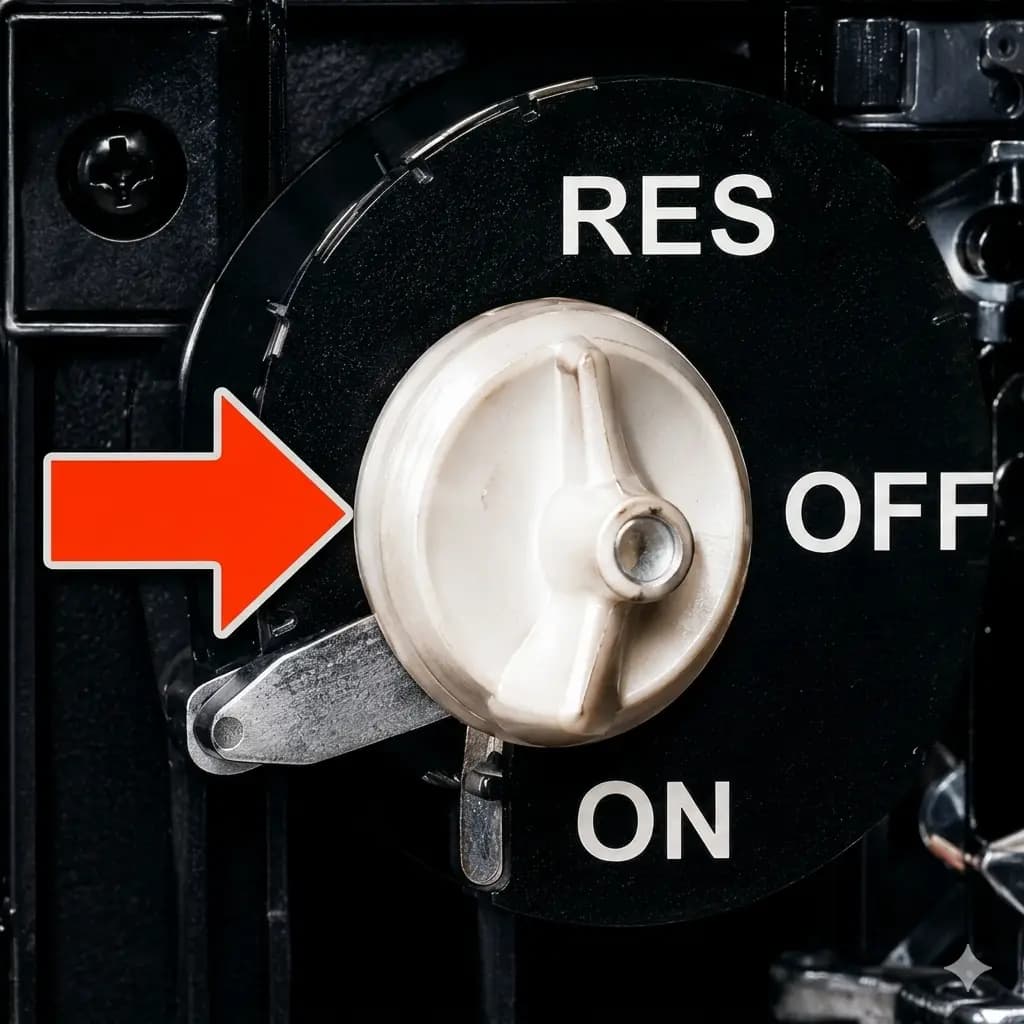
The fuel selector has three positions: ON (normal, above 1.5L), RES (reserve, below 1.5L), and OFF (cuts fuel supply).
You receive the tuk tuk with a full tank. Return it full.
92 Octane
414 Lkr / litre
95 Octane
495 Lkr / litre
Engine Oil
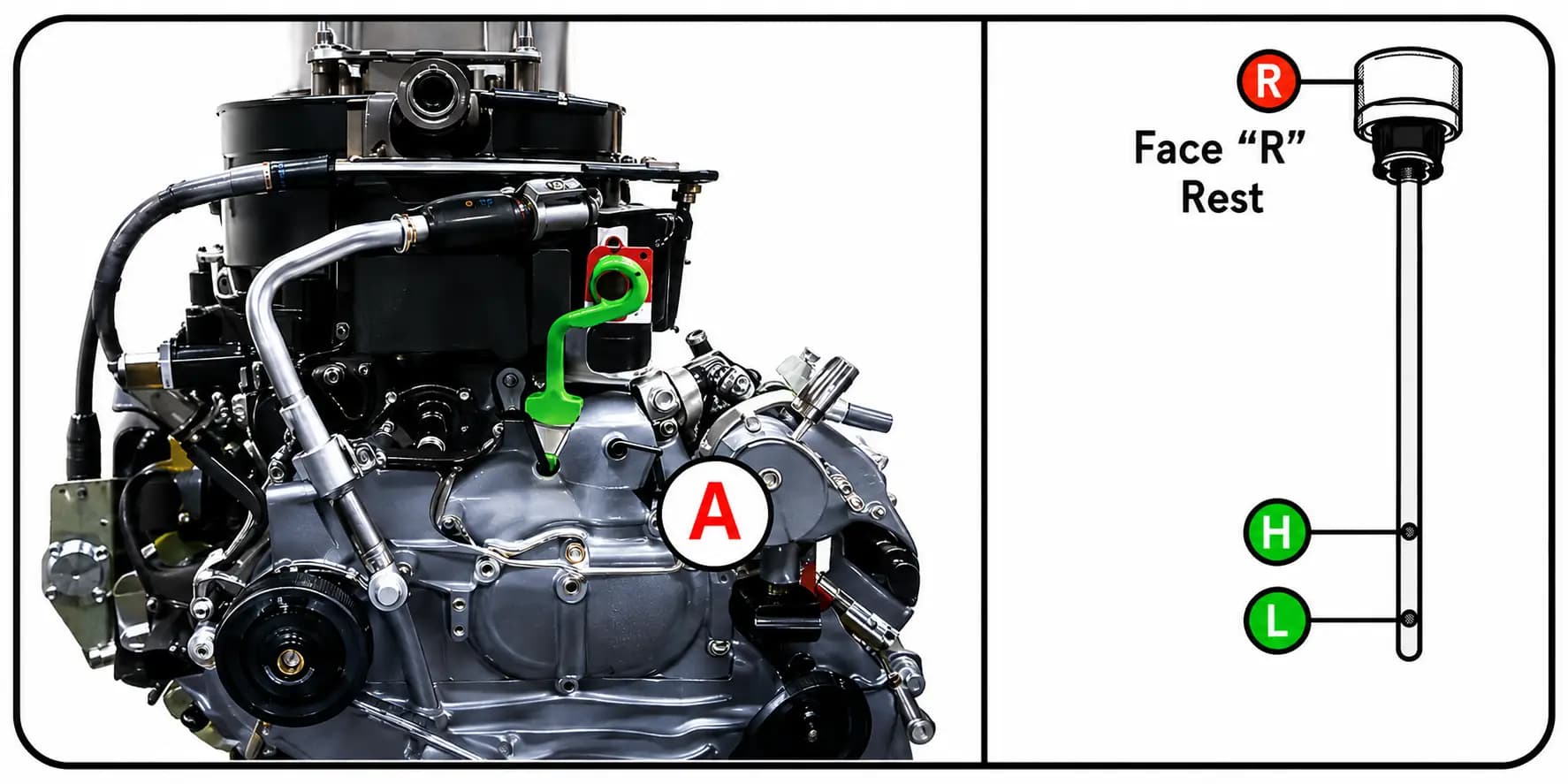
Check the engine oil every two days. Check before starting, or wait at least 30 minutes after turning off — hot oil gives a false low reading.
- 1Park on a level surface.
- 2Remove the dipstick and wipe it clean.
- 3Reinsert fully — let the face 'R' rest on the clutch cover seating face.
- 4Remove again and read the level.
- 5Level must sit between the H and L marks.
- 6If below L, top up. We provide an extra bottle for your tour.
Brake Oil
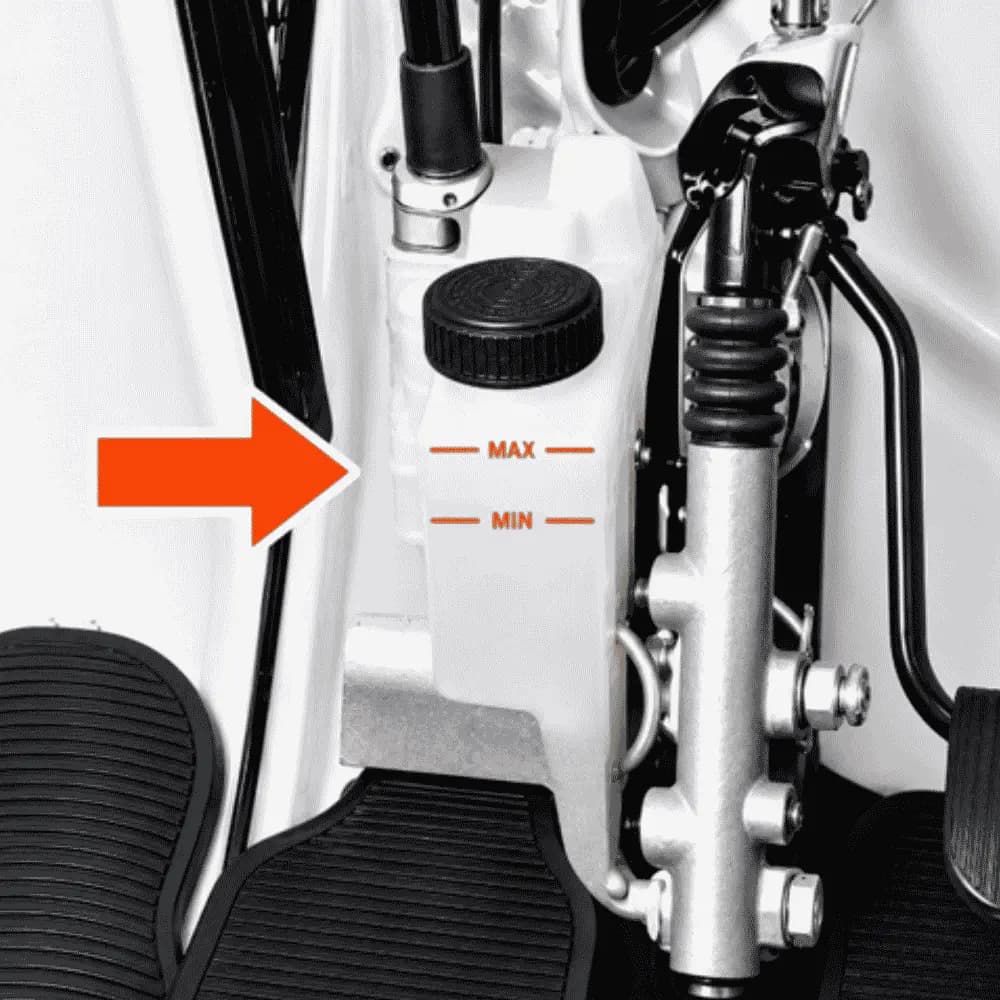
The reservoir sits on the master cylinder near the brake pedal. Level must stay between Max and Min.
We provide brake oil for your tour. If near Min, top up and contact us immediately.
Caution
Rapid fluid loss means a brake system leak. Stop driving immediately. Brake fluid damages eyes and painted surfaces.
Tyre Pressure
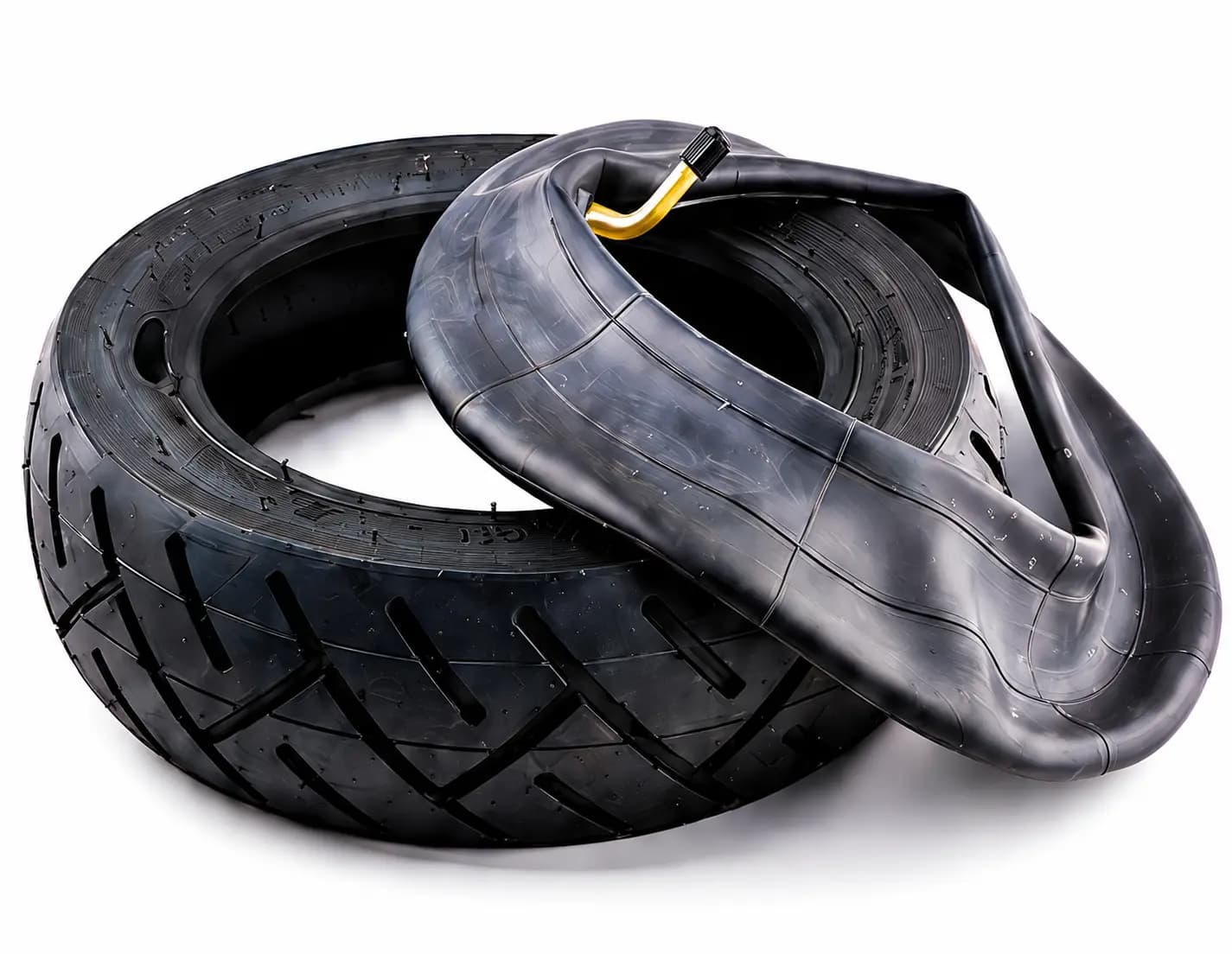
Check pressure every couple of weeks or when handling feels off. Correct pressure reduces fuel consumption and improves stability.
Front Tyre
30
PSI
2.1 kg/cm²
Rear Tyre
34
PSI
2.4 kg/cm²
A spare wheel and tool kit are included. Service centres are within 2 – 5 km in most towns.
Driving Safety Guidelines
How to operate the tuk tuk safely — starting, gearing, braking, and what to do in unexpected situations.
Starting the Engine
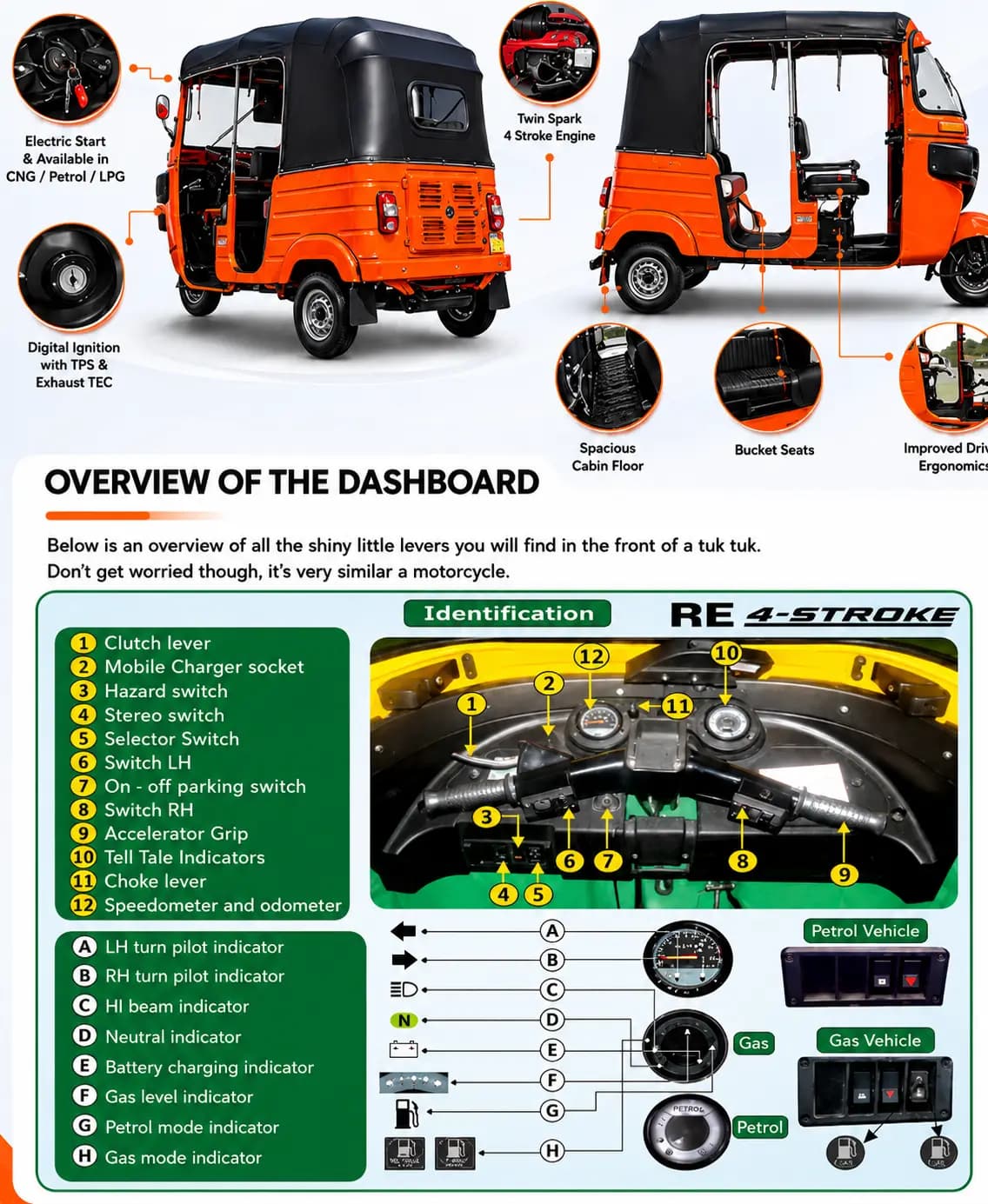
- 1Turn the ignition key to ON.
- 2Confirm neutral — the neutral lamp must be lit.
- 3Confirm the battery charging indicator is lit.
- 4Start the engine.
- 5Wait one minute before shifting into gear.
Taking Off
- 1Release the parking brake once engine is charging.
- 2Press the clutch fully.
- 3Shift into first gear.
- 4Open the throttle slightly and release the clutch slowly.
- 5As clutch engages, open throttle further to avoid stalling.
Open throttle BEFORE releasing the clutch.
Changing Gears
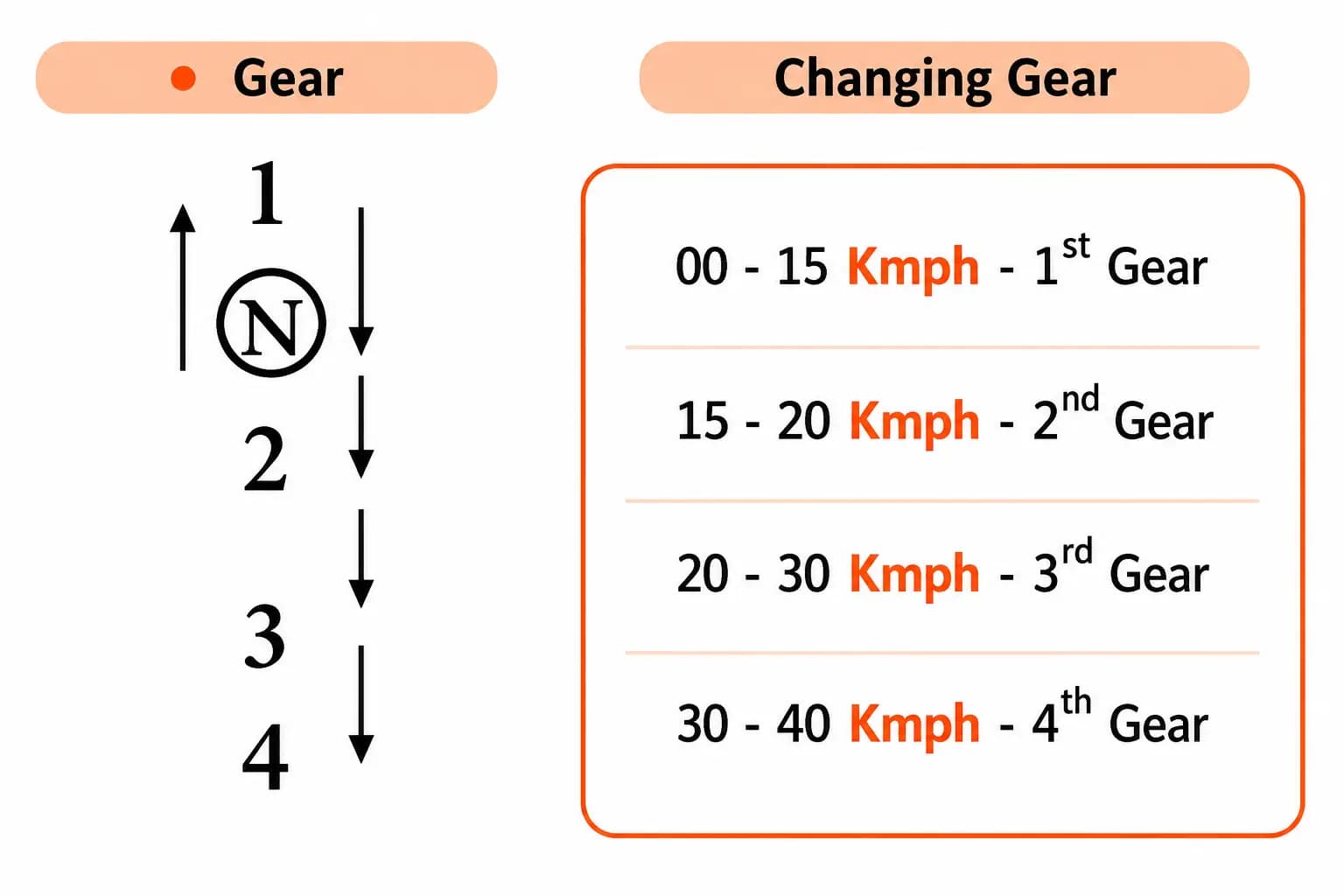
You pull in the clutch and twist the gear selector with the same hand using wrist muscles. When downshifting, rest your index finger on the gear stick. When upshifting, wrap your finger around the back. Always change gears gradually — skipping gears can damage the engine.
Getting Into Neutral
Neutral is the hardest part for most first-time drivers, especially when stopped. Three methods that help:
Plan Ahead
While still moving, shift into neutral before you fully stop. The most reliable method.
Rock the Vehicle
Engage the clutch and gently rock forward and backward, then shift to neutral while rocking.
Foot on the Ground
Right foot on the ground, rock the vehicle to loosen the belt, then shift to neutral.
Using Reverse
- 1Bring the vehicle to a complete stop. Shift into neutral.
- 2Lift the reverse gear stick into position.
- 3Shift into first gear.
- 4Release the clutch slowly while opening the accelerator.
- 5Reverse as needed, then stop completely.
- 6Neutral → lower reverse stick → first gear → moving forward.
Odd sound when pulling reverse? It hasn't engaged. Return to neutral, re-engage, try again.
Braking
Tuk tuks use a hydraulic braking system without ABS.
Pump the brake pedal multiple times — don't hold it down. This builds stopping power.
Going downhill, use a low gear for engine braking. Holding the brake continuously on a long descent overheats the brakes.
Max speed: 40 km/h.
Wet Roads
On rainy days, water forms a film between tyre and road, reducing grip — this is aquaplaning.
Maintain a low speed. When braking on a slippery surface: push the pedal slowly, release briefly, push slowly again. Never jam the brakes.
Roll Risk — Sharp Corners
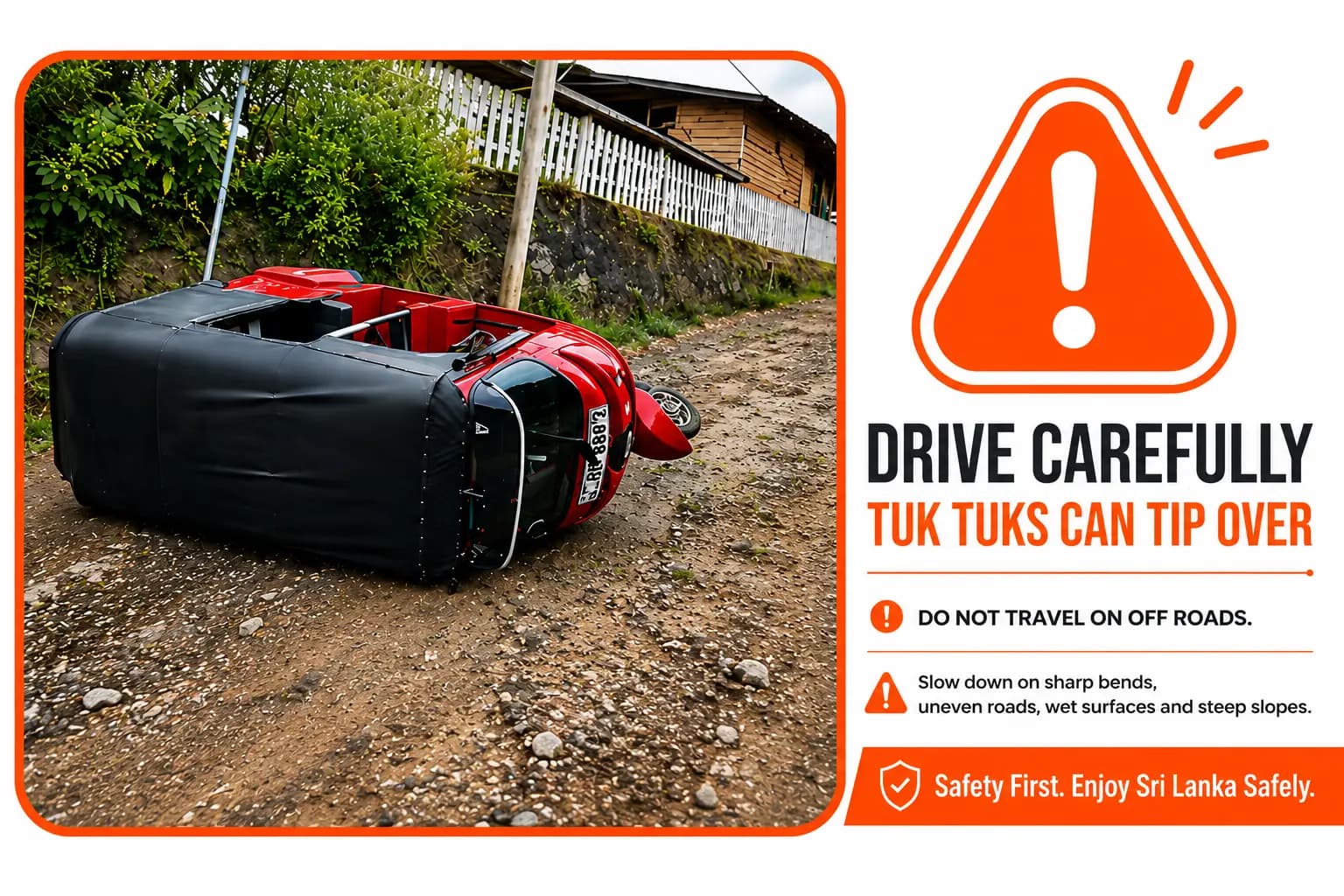
A tuk tuk has three wheels. Do not take sharp corners at speed.
Drive slowly around bends. Be especially careful when overtaking a vehicle and immediately turning — this combination has caused rollovers. Always keep your distance.
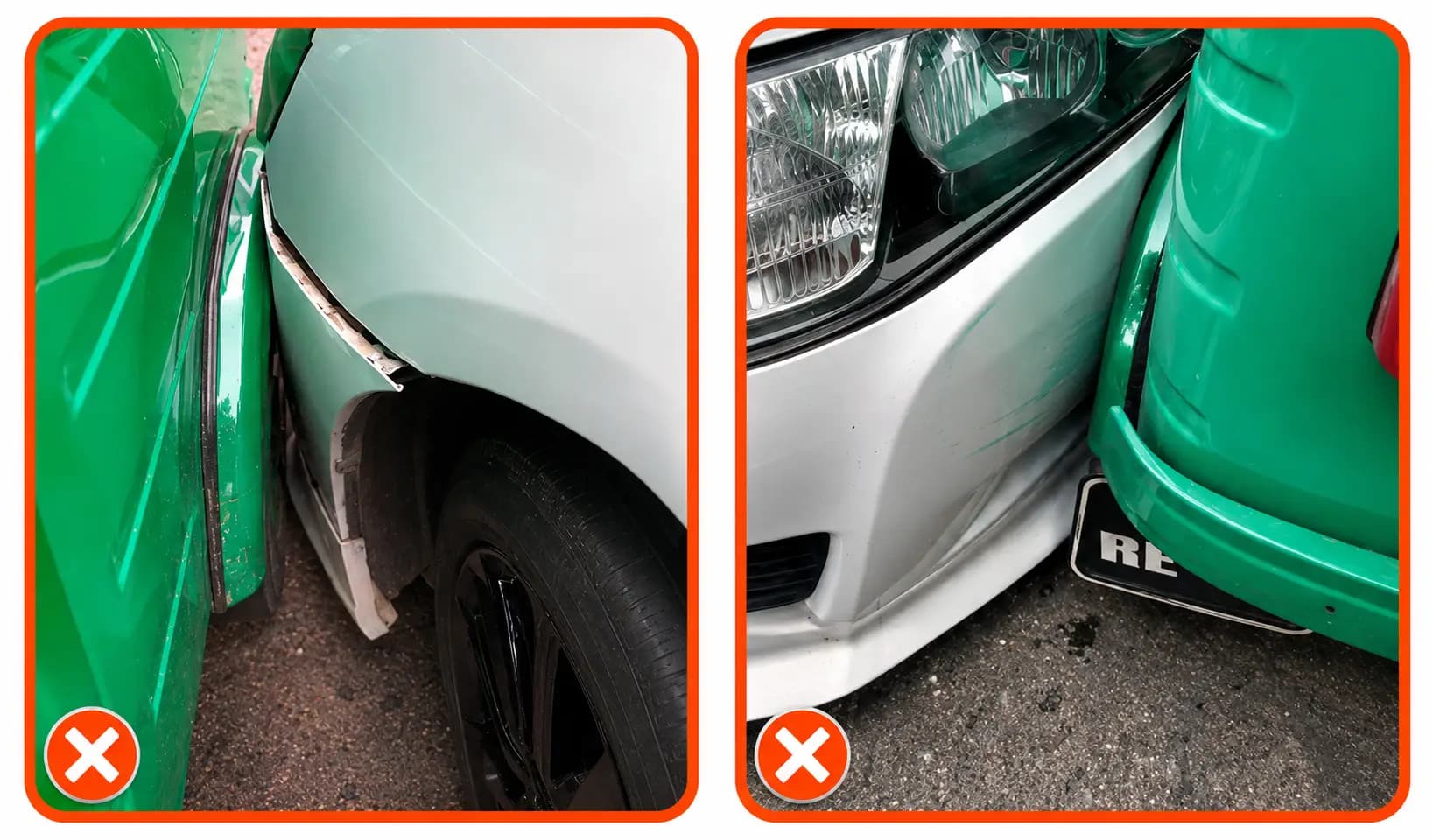
Do Not Drive Off-Road
Hill country roads can be uneven, narrow, or unpaved. Verify road conditions before travelling to remote areas. If a road is unsuitable, don't attempt it — hand the key to guesthouse management to park the vehicle.
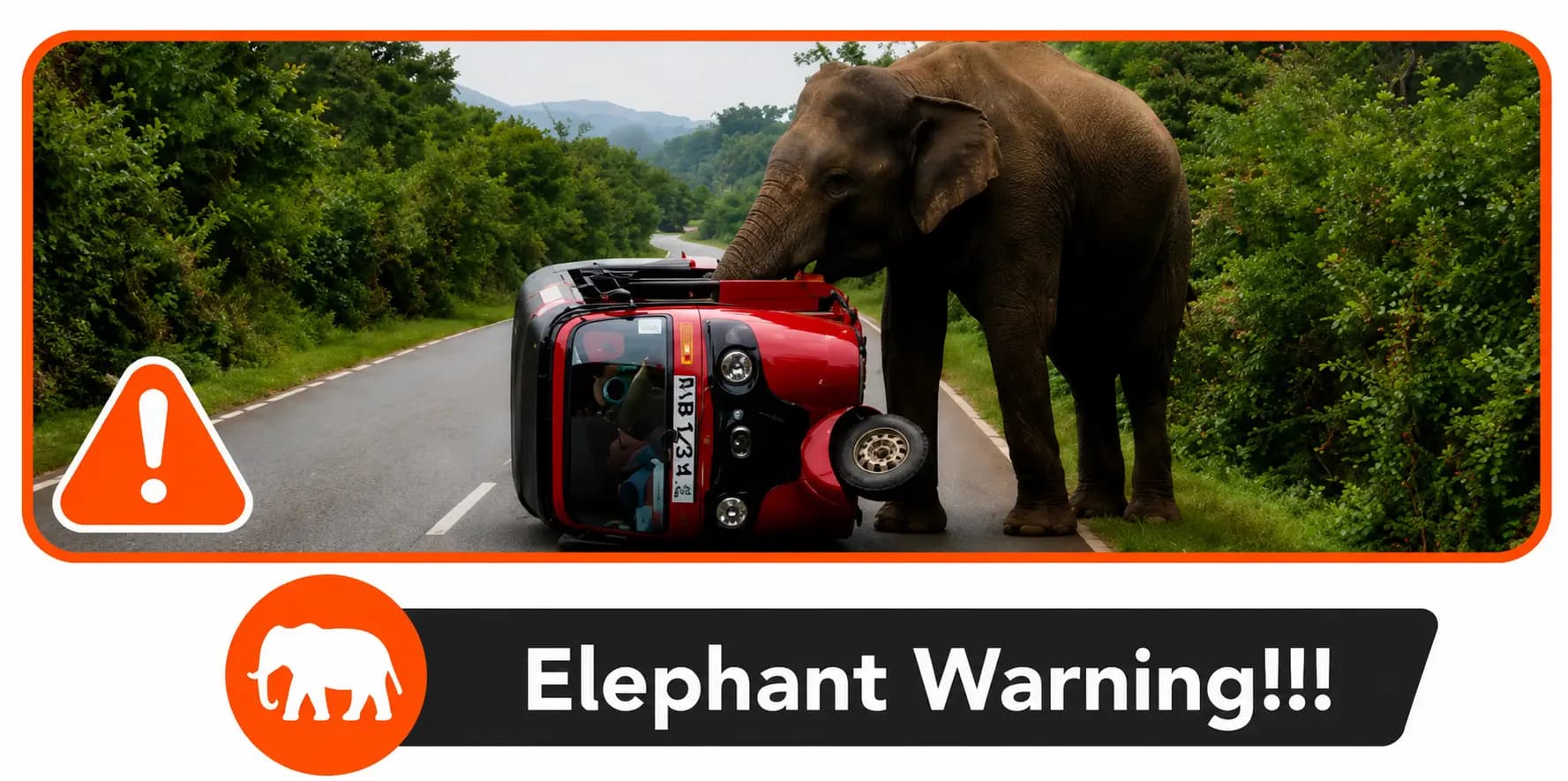
Wild Elephant Warning
If you encounter a wild elephant on the road, stop at a safe distance — around 30 metres.
This gives you room to turn around if needed. If the elephant is stationary off to the side, pass calmly and quickly. Even elephants that appear calm — such as on the B35 road — are unpredictable wild animals.
Storage Capacity
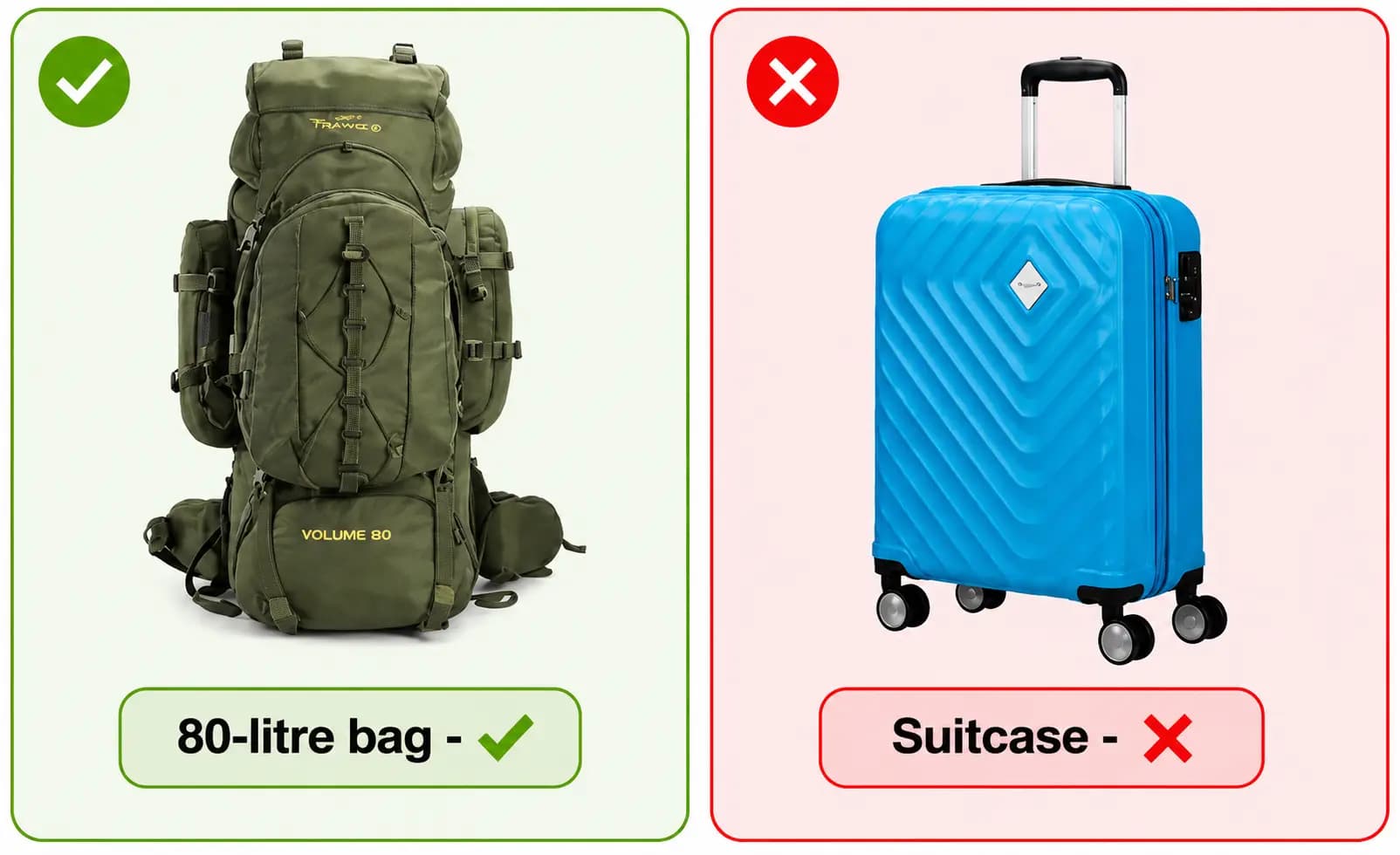
The tuk tuk seats two adults in the rear and fits up to three 80-litre backpacks. Hard-shell suitcases take up too much floor space. Always take valuables with you — never leave phones, cameras, or wallets in the tuk tuk.
Recommended Driving Hours
Drive between 6:00 AM and 6:00 PM. Service centres operate during these hours. Many rural roads have no street lighting after dark.
Night driving significantly increases the risk of encountering wildlife — elephants in particular are impossible to spot in time on an unlit road.
Driving Rules
The legal rules for operating a tuk tuk on Sri Lankan roads.
Speed Limit
40
km/h maximum
The legal speed limit for three-wheelers in Sri Lanka. Do not exceed it — higher speeds make braking significantly more dangerous without ABS.
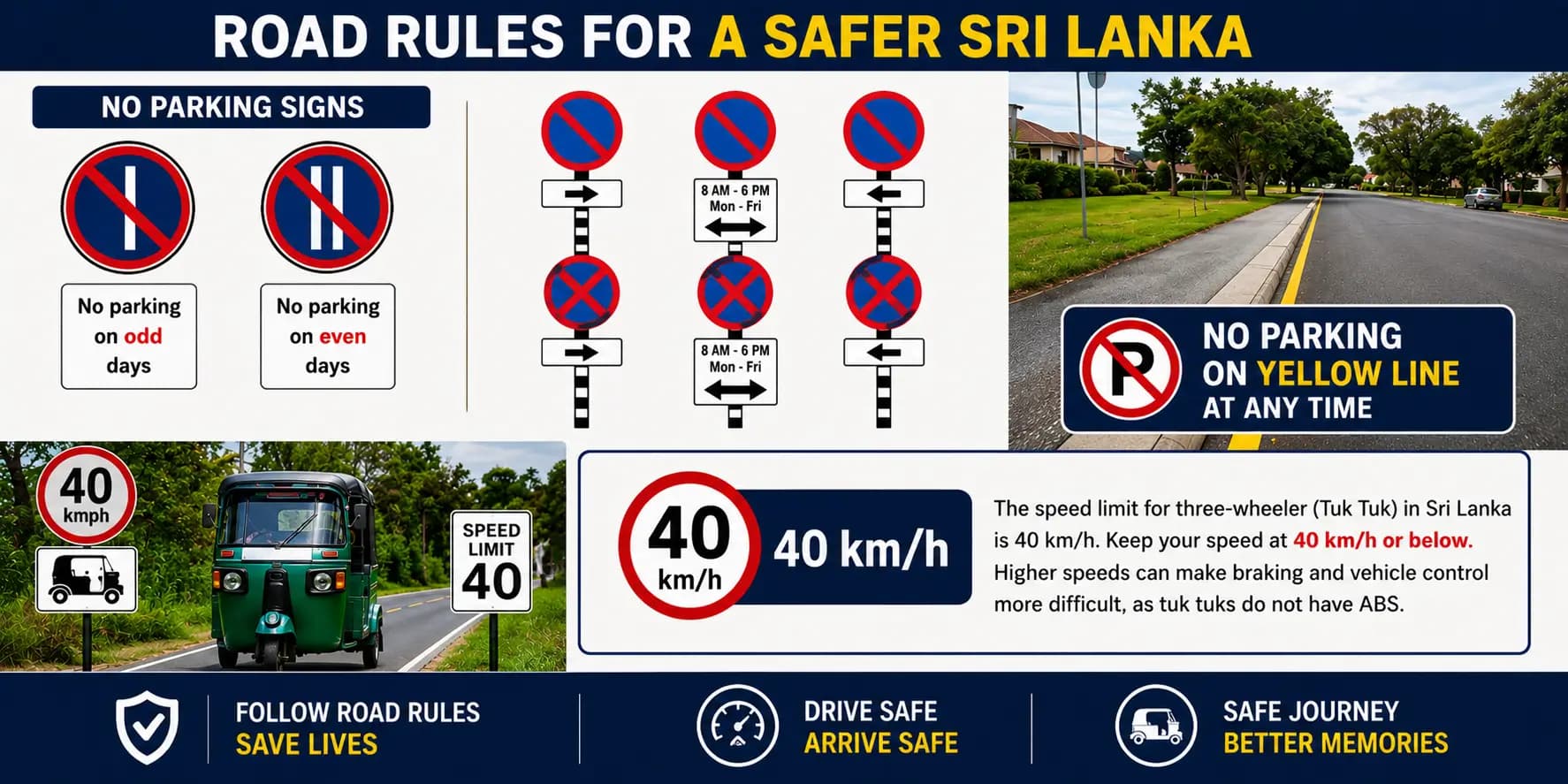
Parking Rules
Use private parking whenever possible, especially overnight. Confirm availability with your guesthouse before arrival.
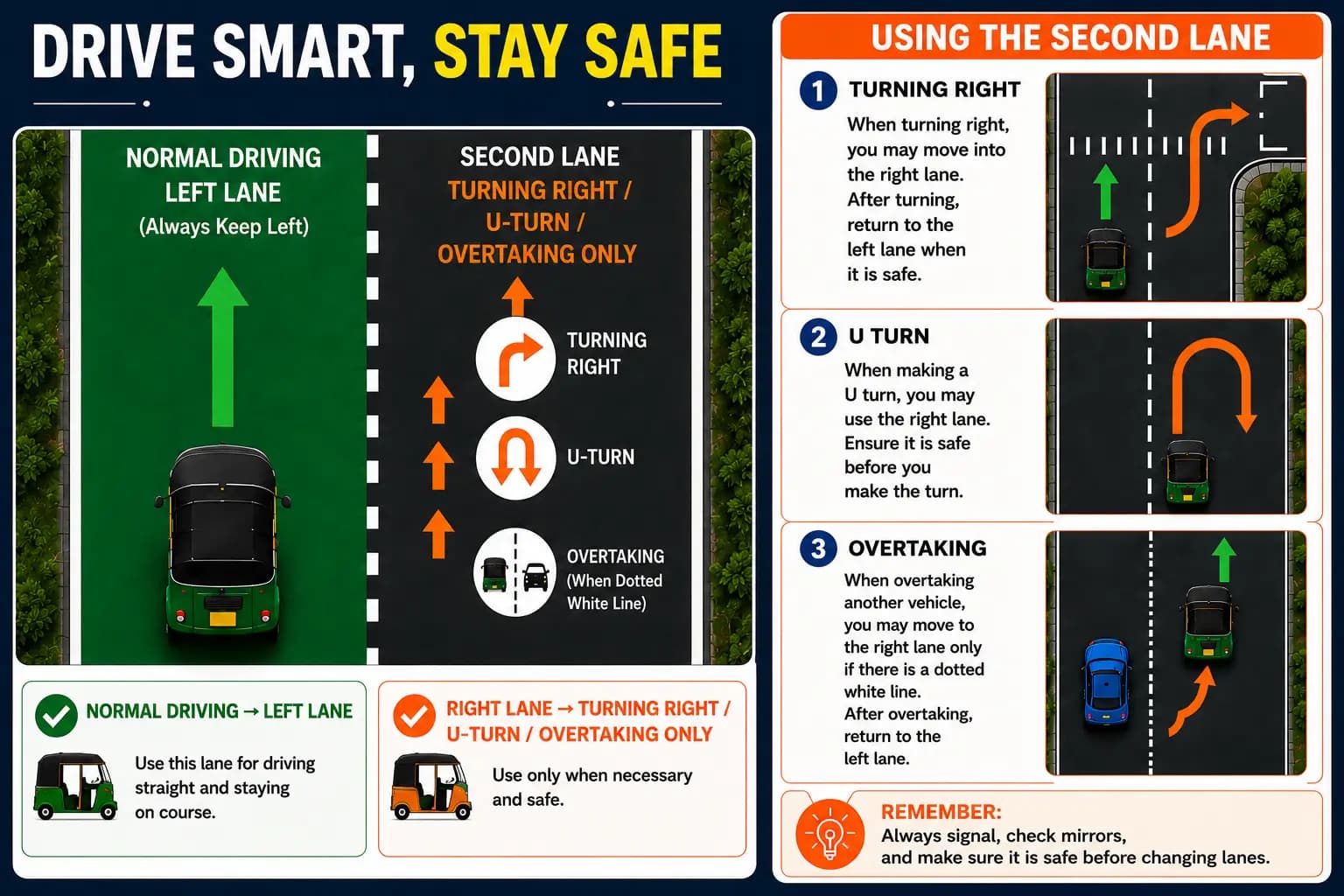
Road Lanes
Sri Lanka drives on the LEFT. Always stay left unless turning right, making a U-turn, or overtaking on a dotted white line. Signal before every lane change.
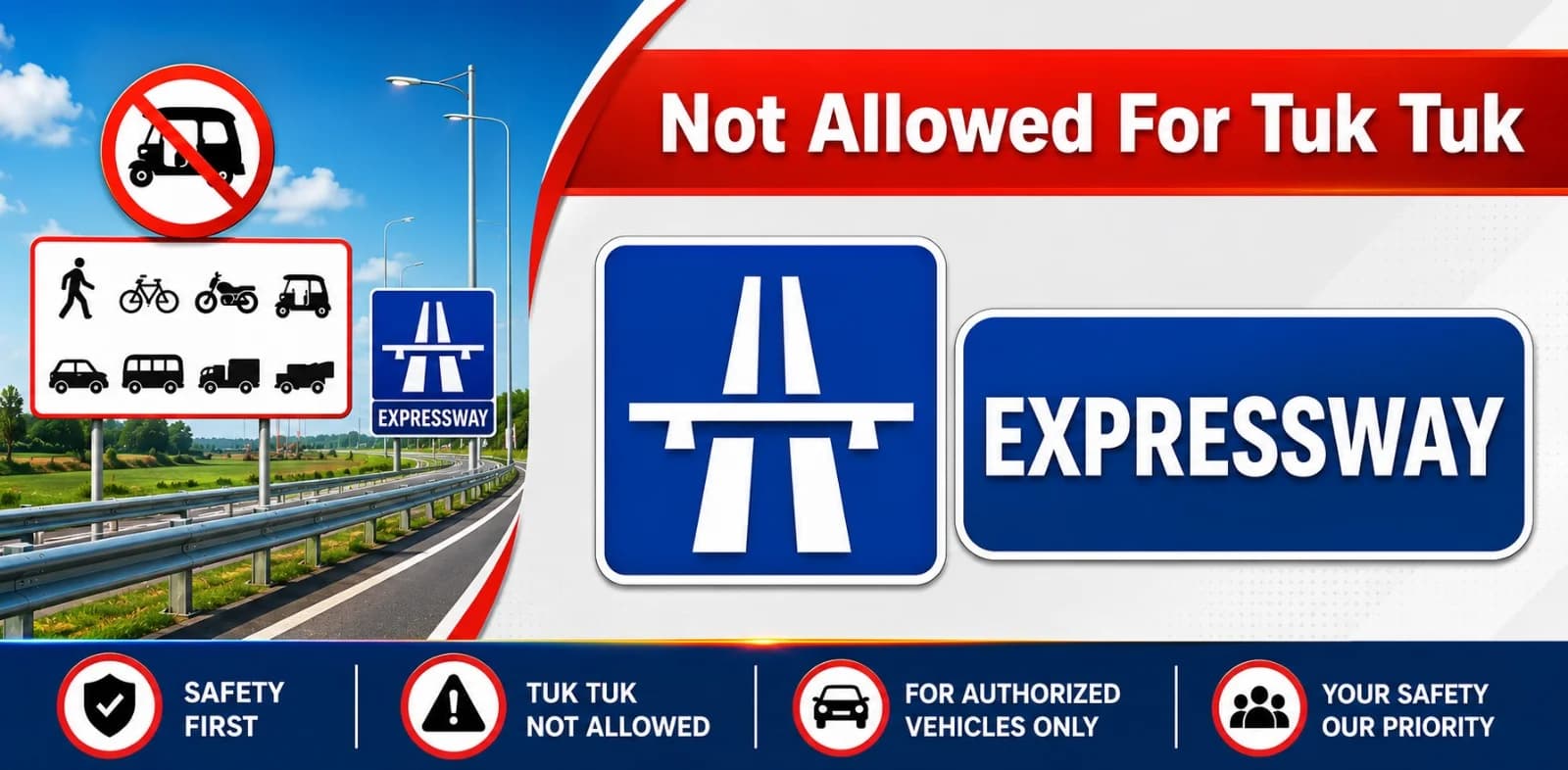
Prohibited Roads
Tuk Tuks are not allowed on E-roads (expressways) or Toll roads.
Open Google Maps → Settings → Avoid Toll roads and motorways before you set off.
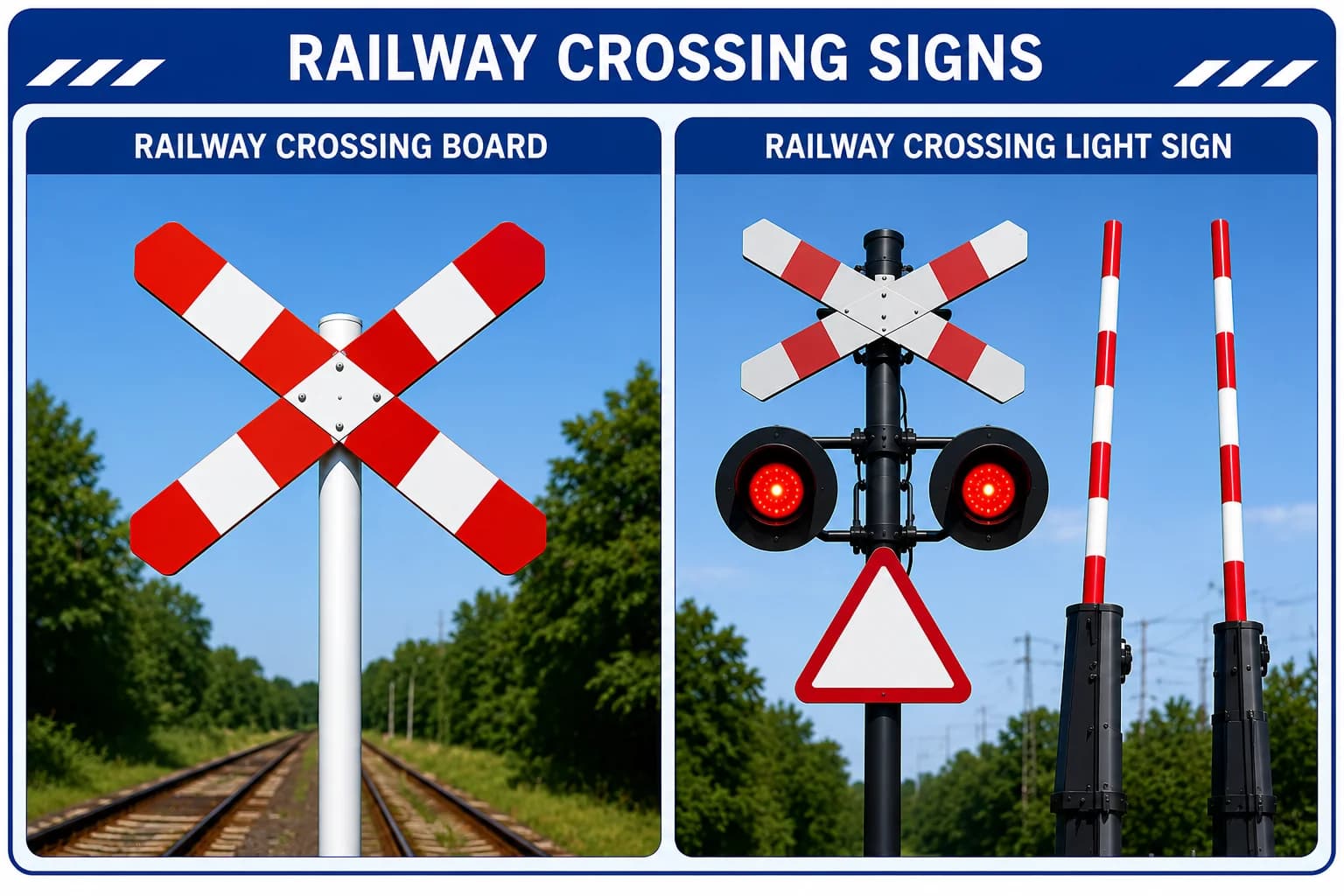
Railway Crossings
Always slow down and look both ways before crossing a railway track — even when no signal is active. Watch for crossing boards and light signals. Never cross when lights are flashing.
Breakdown Protocol
Contact us on WhatsApp first. We are available 365 days a year and will direct you to the nearest authorised centre.
Emergency Contacts
Screenshot this section and keep it accessible on your phone before you leave.
Our Hotline (Local & WhatsApp)
+94779903257
Emergency — Tourist Police
1912
Tourist Police Direct
0112421451
Police
119
Ambulance
1990
Fire & Ambulance Service
011-2422222