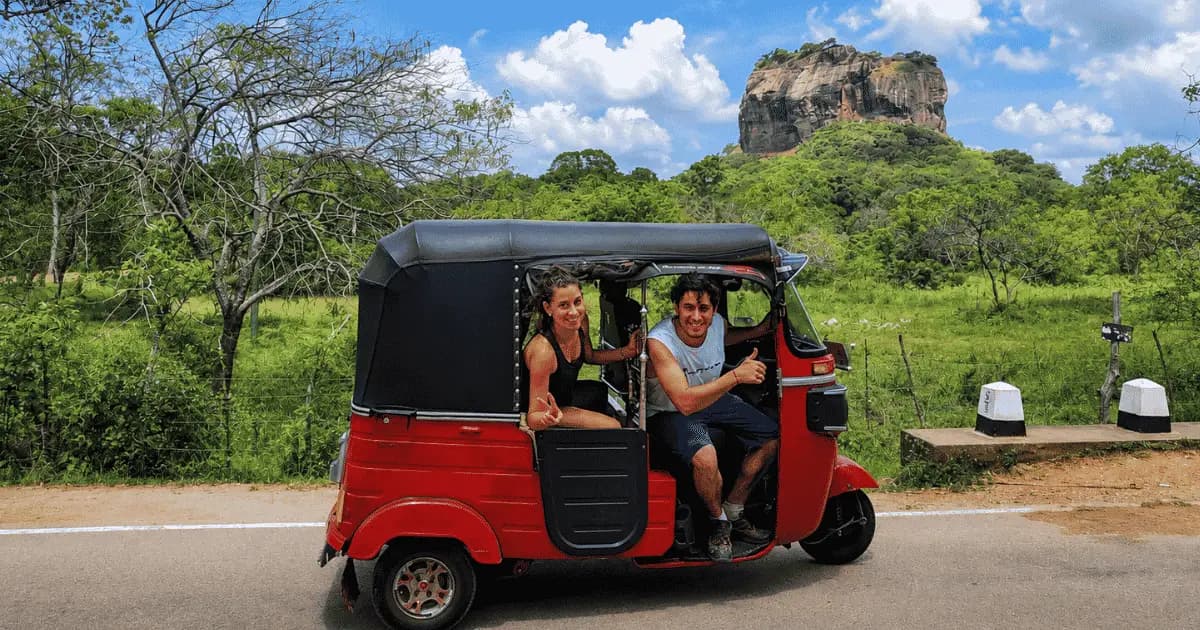
Leaving the coastline behind and driving toward Sigiriya feels like the moment many travelers realize they have truly entered the heart of Sri Lanka. The scenery changes slowly at first. Busy coastal roads gradually disappear behind open countryside, quiet villages, rice fields, forests, reservoirs, and long scenic roads lined with coconut trees and roadside fruit stalls.
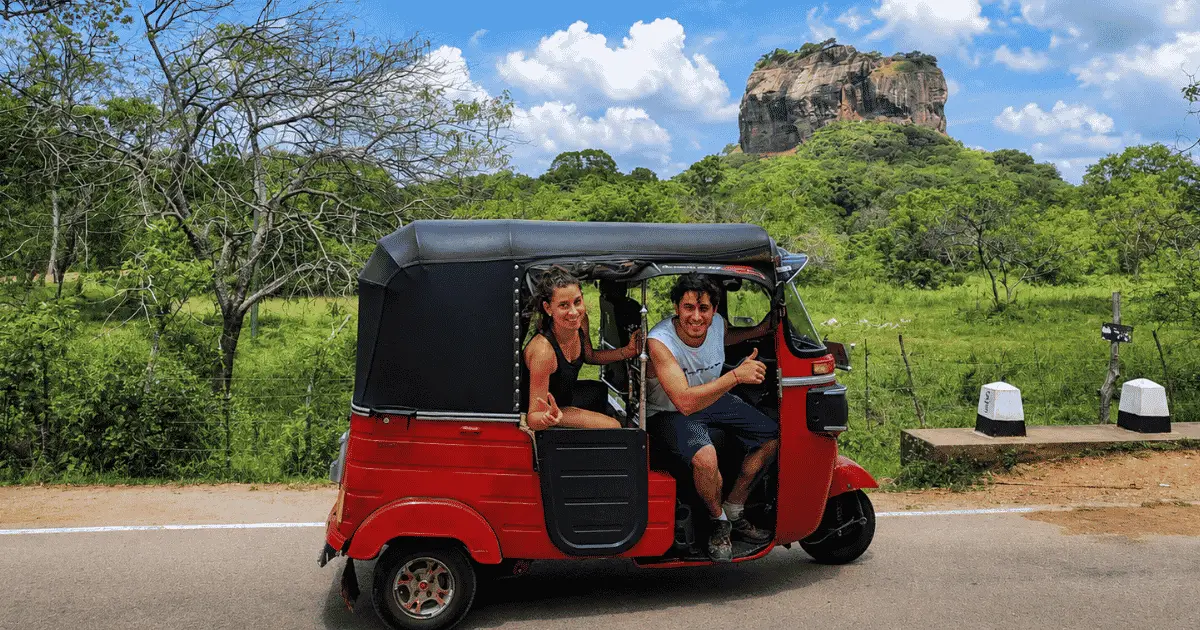
Then suddenly, rising high above the flat jungle landscape, Sigiriya Rock appears in the distance. For many travelers exploring Sri Lanka by tuk tuk, this becomes one of the first unforgettable moments of the journey.
Located in the center of Sri Lanka's Cultural Triangle, Sigiriya combines ancient history, jungle landscapes, wildlife, village life, safari experiences, and scenic tuk tuk roads into one destination that feels adventurous and deeply connected to the island itself.
Unlike the cooler hill-country towns further south, Sigiriya has a warmer tropical atmosphere surrounded by forests, lakes, ancient ruins, and quiet countryside roads that feel perfect for slow travel. Most travelers arrive planning only a short stay before eventually realizing there is far more here than simply climbing the famous rock fortress.
What Makes Sigiriya Special
Sigiriya feels very different compared to Sri Lanka's beach towns or larger cities. The entire region moves at a slower pace. Early mornings are filled with birdsong and mist hanging above forests while evenings often end with golden sunsets reflecting across lakes and jungle landscapes.
Much of the area still feels rural and peaceful. Small homes sit quietly beside jungle roads while farmers cycle slowly through villages carrying vegetables, coconuts, and harvest baskets beneath the morning light. In certain rural areas, wild elephants occasionally appear near roads after sunset, reminding travelers how closely nature still exists alongside everyday village life.
For tuk tuk travelers especially, Sigiriya feels exciting because the roads are open, scenic, and far less stressful than driving in Sri Lanka's busier urban areas. This is often the place where travelers begin fully enjoying the freedom of road travel around the island.
Climbing Sigiriya Rock Fortress
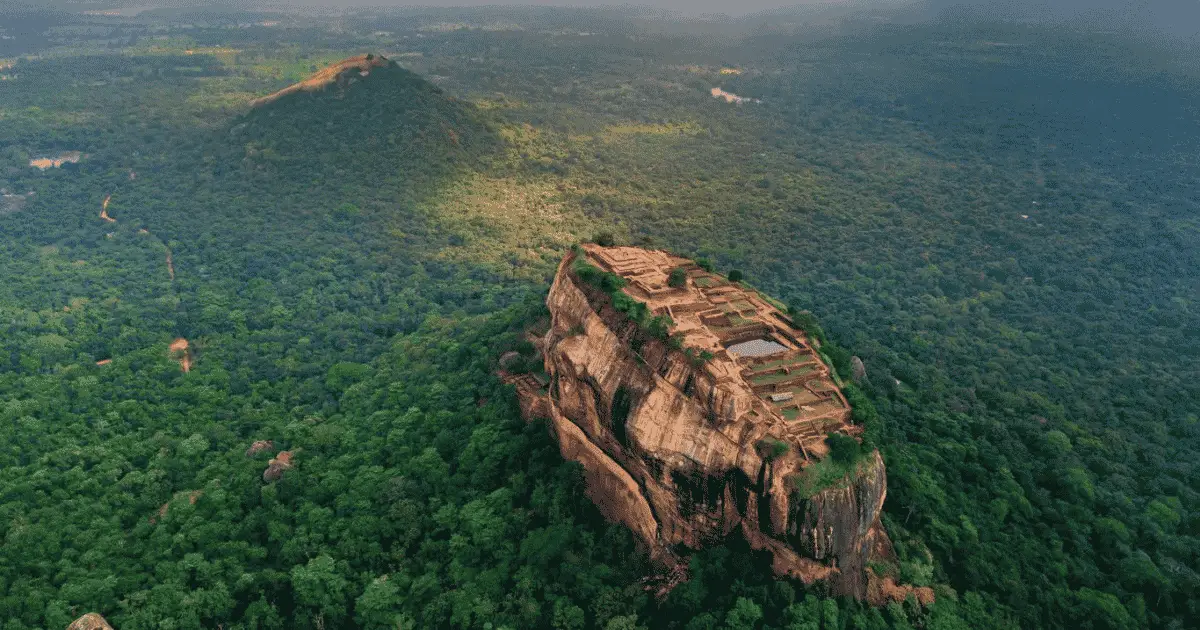
Rising nearly 200 meters above the surrounding forests, Sigiriya dominates the landscape in a way that feels almost unreal. Visible from miles away across the Cultural Triangle, the massive rock once held an ancient royal palace built by King Kashyapa during the 5th century. Even today, it is difficult to imagine how such a fortress was constructed on top of an enormous rock surrounded by forests, water gardens, and defensive walls more than 1,500 years ago.
The experience begins long before reaching the summit. The pathways leading toward the rock pass ancient landscaped gardens, stone staircases, giant boulders, water pools, and remnants of the royal complex hidden among the trees.
During the early morning hours, the atmosphere feels especially memorable. The air remains cooler while monkeys move through the forests and the rising sun slowly begins lighting the rock face above the jungle.
One of the most iconic moments of the climb comes at the famous Lion's Paw entrance, where two enormous stone lion paws remain from what was once a giant lion-shaped gateway leading toward the palace above. As the staircases climb higher, the scenery becomes increasingly dramatic — dense jungle, reservoirs, village roads, distant mountains, and endless greenery stretching across the horizon in every direction.
At the summit, travelers can wander through the ruins of the ancient palace while standing above one of the most extraordinary landscapes anywhere in Sri Lanka. Many people end up staying far longer at the top than expected, simply sitting quietly and absorbing the views below.
Pidurangala Rock — The Best Sunrise in Sri Lanka
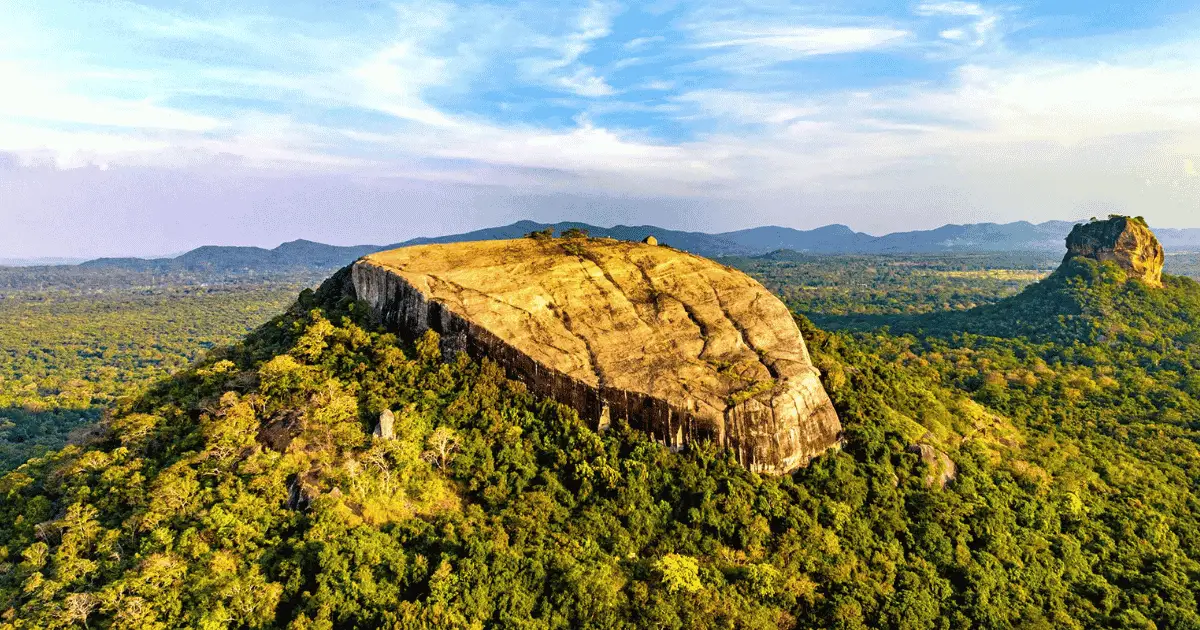
Although Sigiriya Rock is the region's most famous landmark, many travelers find themselves equally drawn toward nearby Pidurangala Rock. The hike feels more adventurous, less structured, and far more connected to the surrounding wilderness.
Most travelers begin climbing before sunrise using flashlights while the forests remain completely dark and silent around them. As the trail climbs higher through rocks and jungle paths, the first light slowly begins spreading across the landscape while Sigiriya Rock rises dramatically from the mist below.
The final section requires climbing across giant boulders before suddenly opening toward panoramic views across forests, lakes, and distant mountain ranges. For many tuk tuk travelers, sunrise from Pidurangala becomes one of the defining moments of their entire Sri Lanka trip — watching the jungle slowly wake up while Sigiriya Rock stands above the morning mist.
Habarana — Safari Gateway & Wildlife Around the Cultural Triangle
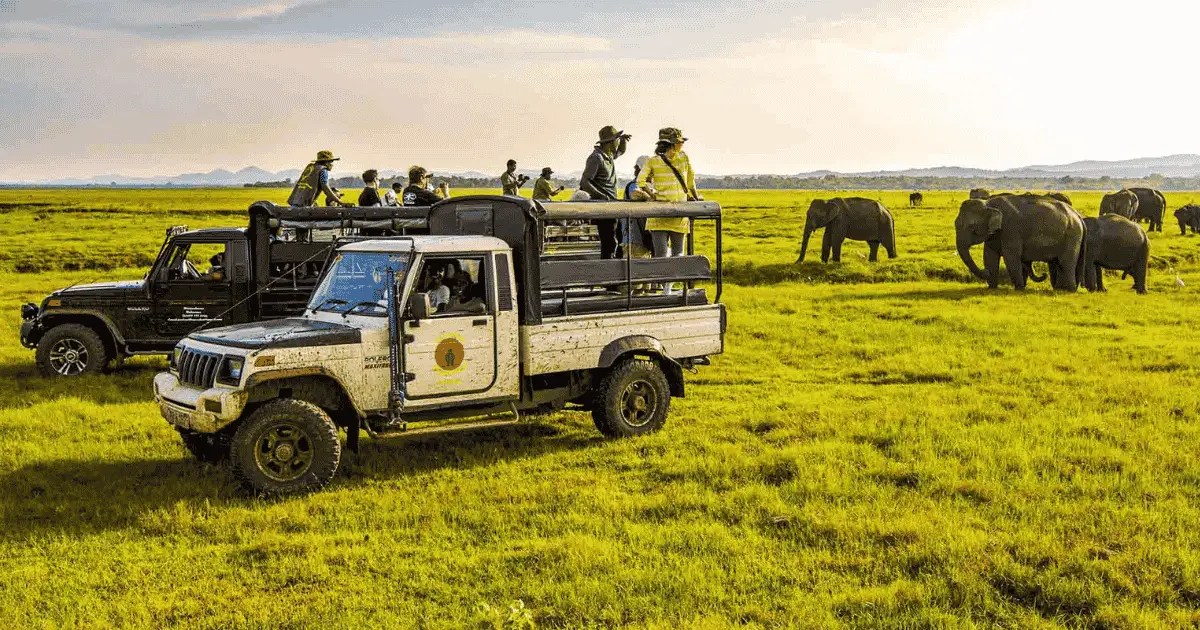
Just a short drive from Sigiriya lies Habarana, a small town that has quietly become one of the main safari gateways within Sri Lanka's Cultural Triangle. Although many travelers initially pass through on the way toward Sigiriya or Polonnaruwa, the region itself offers some of the best wildlife experiences anywhere in central Sri Lanka.
Habarana provides easy access to Minneriya National Park, Kaudulla National Park, and Eco Park — all famous for their elephant populations and seasonal wildlife gatherings. During certain times of the year, enormous herds of wild elephants move between lakes and grasslands in what is often called "The Gathering," one of the largest congregations of Asian elephants anywhere in the world.
Watching dozens of elephants emerge slowly from the forests toward the reservoirs during sunset becomes one of the most powerful wildlife experiences in Sri Lanka. Unlike Yala, where safaris focus heavily on leopard sightings, safaris around Habarana feel more peaceful and landscape-driven. The scenery constantly changes between wetlands, forests, grasslands, lakes, and open plains filled with birdlife, buffalo, deer, monkeys, and elephants moving naturally through the environment.
Even outside the safari parks, wildlife is part of everyday life around Habarana. Travelers often encounter monkeys beside village roads, peacocks wandering through open fields, eagles circling above reservoirs, and occasionally elephants crossing quieter rural roads during the evenings.
Many travelers choose to stay in Habarana rather than Sigiriya because the area offers a quieter jungle atmosphere while still providing easy access to Sigiriya Rock, Pidurangala, Polonnaruwa, and the surrounding national parks.
While driving through Habarana, many travelers also stop at small roadside roti stalls scattered beside the main roads and village junctions. Freshly made vegetable roti, egg roti, spicy chicken roti, and sweet coconut-filled roti are cooked directly on hot iron pans while travelers wait beside the roadside watching village life move past. After long tuk tuk drives through the Cultural Triangle, stopping for hot roti and milk tea beneath the shade of roadside trees becomes part of the experience itself.
The Roads Around Sigiriya
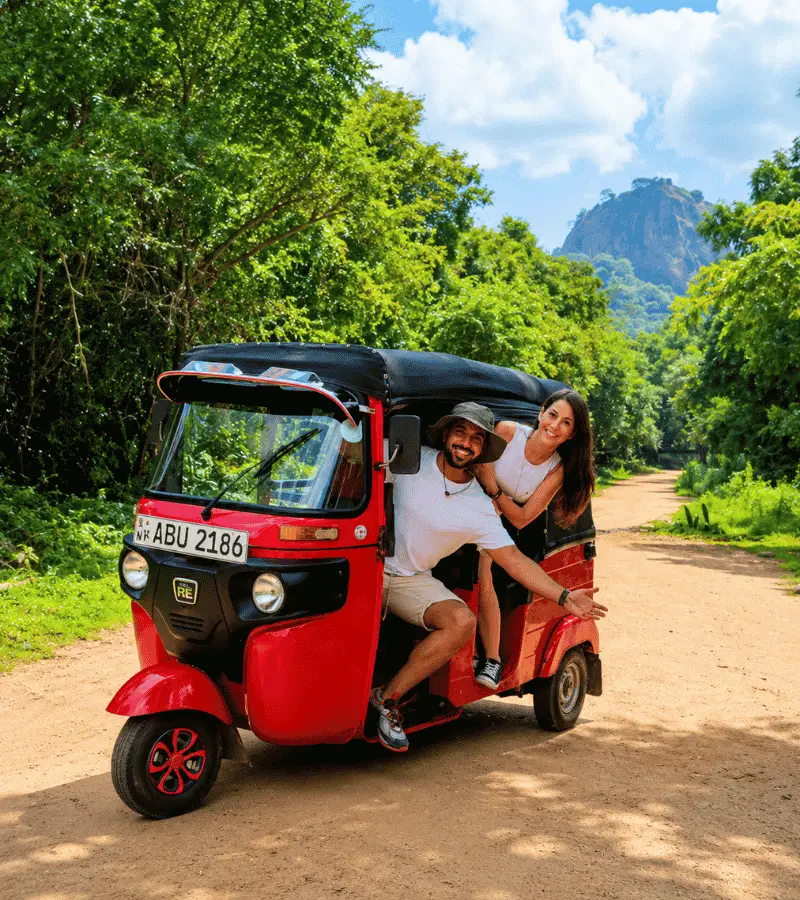
One of the best parts of staying in Sigiriya is simply driving through the surrounding countryside. The roads are relatively flat, quiet, and scenic, making this one of the easiest and most enjoyable areas in Sri Lanka for tuk tuk travel.
Small village roads pass through rice fields, lakes, forests, rural temples, and ancient ruins hidden among the trees. Driving during sunrise or sunset feels especially beautiful as golden light spreads across the countryside while peacocks wander through open fields and buffalo cool themselves beside reservoirs.
Wildlife is part of daily life here. It is common to encounter monkeys crossing roads, peacocks standing beside the forests, eagles circling above the lakes, and occasionally elephants appearing near more remote areas. For many travelers, these quiet roads become just as memorable as the famous attractions themselves.
Village Life & Slow Travel
One of the most underrated parts of Sigiriya is the slower village life surrounding the main tourist area. Away from the entrance roads and hotels, the region feels peaceful and deeply local.
Small guesthouses sit quietly beneath coconut trees while roadside fruit stalls sell mangoes, bananas, king coconuts, and wood apple juice beside the village roads. Some travelers spend their days cycling through the countryside, taking boat rides across village lakes, exploring small temples, or learning traditional cooking from village families.
This quieter side of Sigiriya often becomes what travelers remember most after leaving — not only the famous landmarks, but the slower atmosphere itself.
Food in Sigiriya
Food in Sigiriya feels simple, local, and deeply connected to village life. Many guesthouses serve homemade rice and curry meals prepared by local families using traditional recipes and ingredients grown nearby. Fresh vegetables, coconut sambol, dhal curry, pumpkin curry, fried fish, and spicy chicken curries are commonly served together in large traditional meals that feel comforting after long days exploring the region.
Travelers also find small cafés, fresh tropical fruit, and relaxed garden restaurants hidden among the trees. King coconut stalls appear almost everywhere and quickly become essential during the tropical afternoon heat. After long tuk tuk drives and sunrise hikes, quiet dinners beneath jungle sounds become part of the Sigiriya experience itself.
Staying in Sigiriya
Accommodation around Sigiriya ranges from luxury jungle resorts and eco lodges to backpacker hostels, family-run guesthouses, and peaceful homestays hidden among forests and rice fields. Many travelers choose smaller locally owned stays because they provide a far more personal atmosphere compared to larger hotels.
Waking up surrounded by birds, jungle sounds, and mist-covered forests becomes part of everyday life here. Evenings in Sigiriya usually feel peaceful and quiet — unlike beach towns or major cities, nights revolve more around nature, conversations, village dinners, and preparing for early morning hikes or safaris.
Driving Around Sigiriya by Tuk Tuk
For many travelers, Sigiriya becomes one of the best regions in Sri Lanka for tuk tuk travel. The roads are easier, the traffic lighter, and the scenery constantly changing between forests, reservoirs, wildlife areas, villages, and ancient ruins. For full route planning details, see the complete guide to renting a tuk tuk in Sri Lanka.
The freedom to stop beside lakes, hidden temples, jungle roads, or roadside fruit stalls makes the experience far more immersive than simply moving between destinations by private transport. Unlike the mountains or large cities, driving here feels relaxed and adventurous at the same time.
Where To Head Next
One of the best things about Sigiriya is how naturally it connects to several completely different sides of Sri Lanka. Many travelers continue toward Kandy and Sri Lanka's hill country, where the flat tropical landscapes slowly give way to winding mountain roads, waterfalls, tea plantations, forests, and cooler temperatures.
Others continue north toward Anuradhapura and the ancient Buddhist heartland of Sri Lanka, while travelers looking for beaches and ocean life often drive east toward Trincomalee and the quieter northern coastline.
Why Travelers Remember Sigiriya
For many tuk tuk travelers, Sigiriya becomes the place where the real Sri Lanka road trip begins — a region where ancient kingdoms, jungle landscapes, wildlife, village life, and the freedom of slow travel all come together. The famous rock is only part of what makes this region special. The roads, the mornings, the roti stalls, the elephant sightings, and the quieter side of the Cultural Triangle are what stay with travelers long after leaving.
Frequently Asked Questions — Sigiriya Travel Guide
How far is Sigiriya from Negombo?
Sigiriya is approximately 160–170 km from Negombo. By tuk tuk the drive takes around 4–5 hours depending on the route and stops along the way.
How long does it take to climb Sigiriya Rock?
Most travelers take 1.5 to 2.5 hours to climb to the summit and return. The climb involves staircases, elevated walkways, and rocky paths. Starting early in the morning is strongly recommended — the rock becomes very hot by midday and crowds increase significantly as the morning progresses.
What is the difference between Sigiriya and Pidurangala?
Sigiriya is the famous UNESCO-listed rock fortress with ancient palace ruins at the summit. Pidurangala is a nearby rock that offers dramatic views looking directly at Sigiriya — many travelers consider the sunrise view from Pidurangala one of the finest in Sri Lanka. The Pidurangala hike is less structured, more adventurous, and significantly cheaper.
When is the best time to visit Sigiriya?
Sigiriya can be visited year-round. The dry season from December to April brings clearer skies and more comfortable climbing conditions. Between May and September the region receives more rainfall, but the surrounding jungles become intensely green and wildlife is easier to spot around the reservoirs and national parks.
What wildlife can you see around Sigiriya and Habarana?
The region is home to monkeys, peacocks, water buffalo, and numerous bird species visible along everyday village roads. Habarana provides access to Minneriya and Kaudulla national parks, famous for large wild elephant herds and The Gathering — one of the largest congregations of Asian elephants in the world. Elephants occasionally cross rural roads near the national parks during evenings.