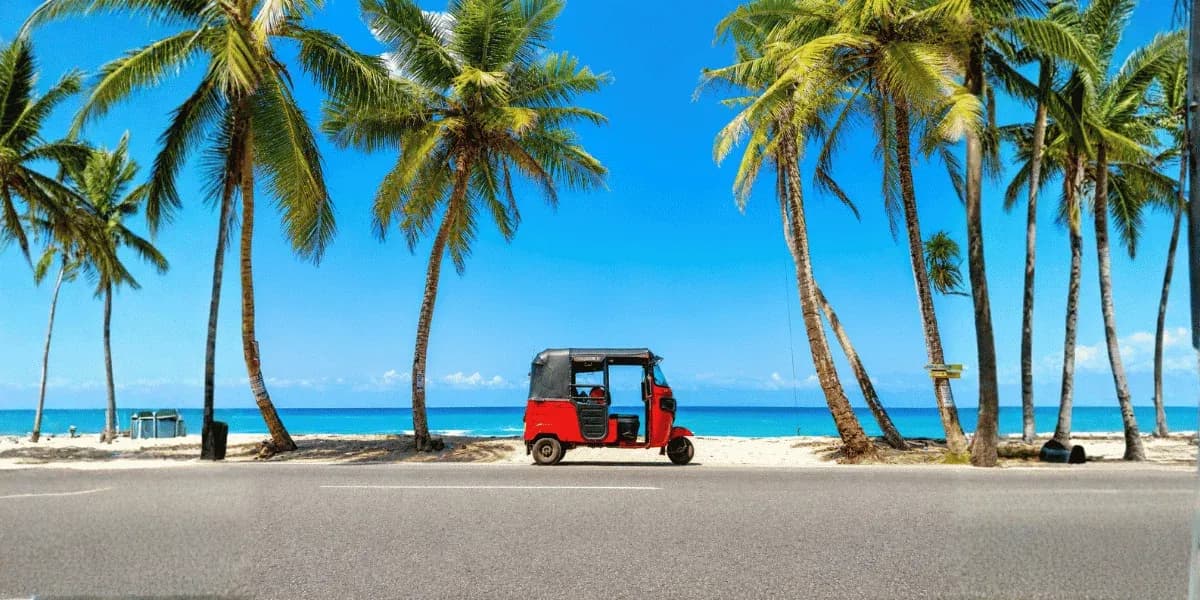
The first thing most travelers notice about Arugam Bay is the pace of life. People move slower here. Surfboards are strapped onto tuk tuks, barefoot travelers wander between cafés and beaches, reggae music drifts through the air during sunset, and the days seem to revolve entirely around the ocean, the waves, and the changing light across the coastline.
For many travelers exploring Sri Lanka by tuk tuk, Arugam Bay becomes one of the easiest places on the island to accidentally stay far longer than originally planned. What was supposed to be two nights quietly turns into a week.
Unlike the busier southern beach towns, Arugam Bay has developed its own identity — one built around surf culture, slow tropical living, hidden lagoons, wildlife safaris, beach cafés, yoga retreats, and the wild untamed landscapes of Sri Lanka's eastern coastline. Even though the town is internationally famous among surfers, it still feels surprisingly relaxed and small compared to major surf destinations around the world.
What Makes Arugam Bay Different
Arugam Bay feels less like a typical Sri Lankan beach town and more like a surf village hidden between jungle and ocean. The atmosphere is incredibly relaxed — there is no pressure to rush anywhere.
Days are often spent surfing at sunrise, drinking coffee barefoot near the beach, swimming in the ocean during the afternoon heat, riding tuk tuks between hidden surf spots, or simply sitting beside the sea watching the light change across the coastline. Compared to southern Sri Lanka, the east coast around Arugam Bay feels wilder, more nature-focused, and noticeably less commercialised.
One of the biggest differences is how close wildlife feels to everyday life. Just outside town, travelers quickly enter elephant territories, lagoons, forests, remote beaches, and national parks where nature still dominates the landscape. It is completely normal to hear stories of elephants crossing roads near Panama or appearing beside lagoons during sunset. The combination of surf culture and untamed wilderness is what gives Arugam Bay its unique atmosphere.
Driving to Arugam Bay by Tuk Tuk
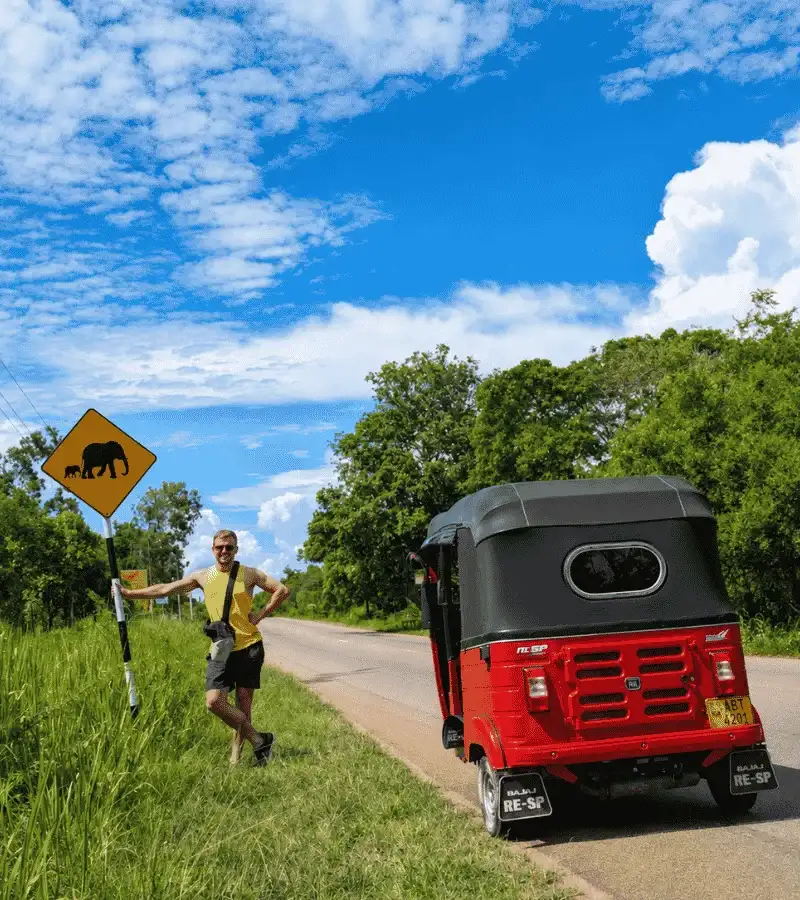
The roads leading toward Arugam Bay become quieter and more scenic the closer travelers get to the east coast. Depending on the route, the drive passes through dry forests, rice fields, lagoons, fishing villages, elephant crossing zones, and long stretches of coastline that feel almost untouched.
Compared to Sri Lanka's hill country, the roads here are flatter, easier, and ideal for relaxed tuk tuk travel. Driving during sunrise or sunset becomes especially beautiful as golden light reflects across the lagoons while fishermen return slowly from the sea. Because parts of the eastern coastline remain relatively undeveloped, travelers should plan fuel stops carefully and avoid isolated roads late at night, especially near wildlife areas.
Surf Culture & Life Around the Bay

Surfing shapes almost everything about the atmosphere in Arugam Bay. Early mornings begin before sunrise as surfers quietly head toward the ocean carrying boards beneath the first light of the day. Beach cafés slowly open while the town gradually wakes up around the rhythm of the waves.
Arugam Bay Main Point is one of the most famous surf breaks in Sri Lanka and attracts surfers from around the world during the east coast season between May and September. Even travelers who have never surfed often find themselves sitting along the shoreline simply watching surfers move across the waves against the backdrop of the Indian Ocean.
For beginners, nearby Whiskey Point offers softer and more beginner-friendly waves where surf schools and instructors create a far calmer atmosphere for learning. Further south, Peanut Farm Beach feels more remote and untouched, surrounded by sand dunes, jungle scenery, coconut trees, and long quiet stretches of coastline. Driving there by tuk tuk through dusty coastal roads and open landscapes becomes part of the experience itself.
What makes Arugam Bay especially memorable is that even travelers with no interest in surfing often fall in love with the atmosphere surrounding it. The surf culture creates a slower, more relaxed rhythm that shapes the entire town.
Kumana National Park — Wilderness Beside the Coast
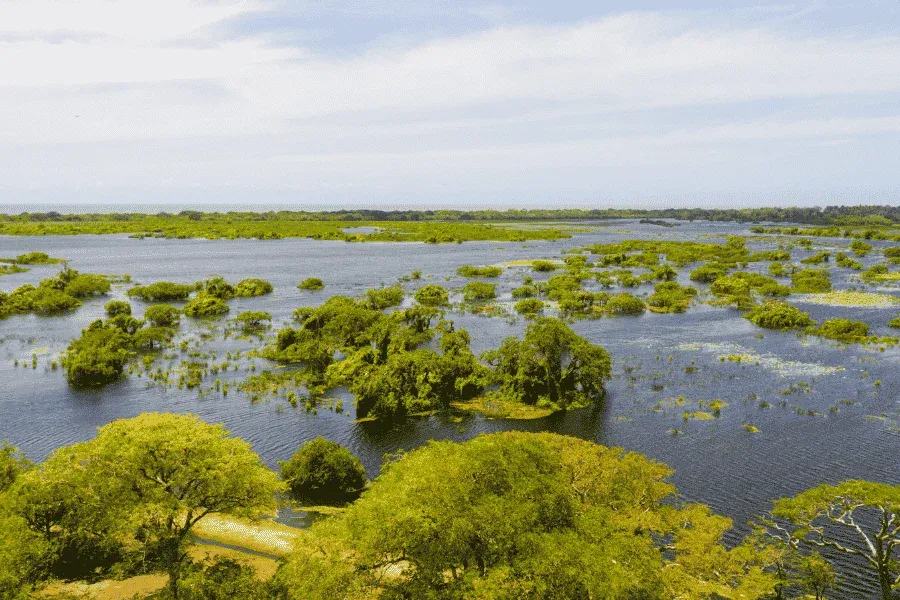
One of the biggest surprises about Arugam Bay is how quickly beach life transitions into wilderness. Located a short drive from town, Kumana National Park offers one of Sri Lanka's most peaceful safari experiences. Compared to busier safari destinations like Yala, Kumana feels quieter, calmer, and far more connected to untouched nature.
The park is especially famous for birdlife, with wetlands, mangroves, forests, and lagoons supporting enormous biodiversity throughout the year. Early morning safaris become especially beautiful when mist rises slowly above the wetlands while wildlife begins appearing through the forests and grasslands. Travelers regularly encounter:
- Elephants and water buffalo
- Crocodiles along the waterways
- Spotted deer and monkeys
- Hundreds of bird species including painted storks and pelicans
For many visitors, Kumana becomes one of the most unexpected highlights of Sri Lanka's east coast.
Elephant Rock & Hidden Coastal Roads
South of Arugam Bay lies Elephant Rock, one of the most scenic viewpoints anywhere along the east coast. The short climb leads across sand dunes and jungle paths before opening toward panoramic views of the ocean, surrounding lagoons, and endless coastline stretching into the distance. Sunrise and sunset here feel especially beautiful as the changing light spreads across the sea and nearby forests.
Further south, the roads toward Panama become quieter and wilder. Travelers discover empty beaches, hidden surf breaks, fishing villages, lagoons, and dirt roads cutting slowly through nature. Many travelers describe this area as feeling like Sri Lanka before large-scale tourism.
Lagoon Safaris & East Coast Nature
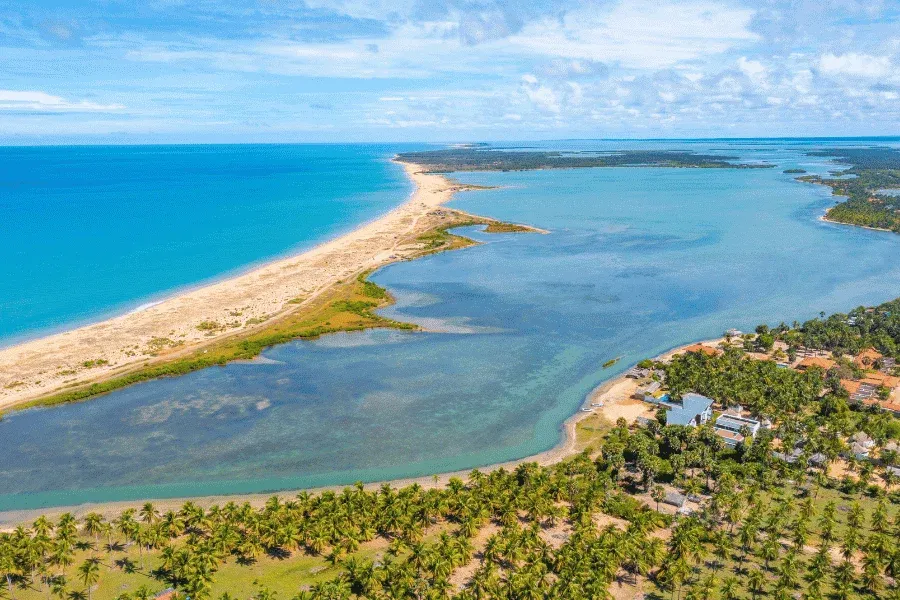
The lagoons surrounding Arugam Bay reveal another side of the east coast that many travelers do not expect. Boat safaris through mangrove-lined waterways often reveal crocodiles, monkeys, birdlife, fishing communities, and hidden sections of forest that feel completely disconnected from the surf beaches nearby.
During sunset, the still water reflects the changing colors of the sky while birds move low across the lagoons and fishermen slowly return home through the mangroves. The atmosphere feels calm, quiet, and deeply peaceful. For many travelers, the lagoons become just as memorable as the beaches themselves.
Yoga, Cafés & Slow Tropical Living
Over the years, Arugam Bay has also become one of Sri Lanka's most popular beach destinations for yoga, wellness, and slow travel. Small yoga studios, surf camps, cafés, and guesthouses now shape much of the town's atmosphere without overwhelming its relaxed character.
Morning yoga sessions beside the ocean, long breakfasts at beach cafés, fresh tropical fruit juices, seafood dinners, and afternoons spent reading in hammocks have all become part of everyday life here. The town has developed one of the best café cultures on Sri Lanka's east coast, with smoothie cafés, seafood restaurants, rooftop hangouts, vegan cafés, and small beach restaurants spread quietly throughout the village.
Evenings become especially lively during peak season as travelers gather for sunset drinks, seafood BBQs, beach music nights, and conversations beside the ocean. Yet despite the social atmosphere, nightlife here still feels relaxed and connected to the beach itself rather than built around large commercial clubs or resorts.
Driving Around Arugam Bay by Tuk Tuk
Arugam Bay is one of the easiest and most enjoyable regions in Sri Lanka for relaxed tuk tuk travel. The roads are mostly flat, scenic, and easy to navigate, allowing travelers to independently explore nearby surf spots, lagoons, villages, safari regions, and remote beaches.
However, wildlife awareness becomes especially important around the east coast. Elephants regularly move through certain forest roads and lagoon areas, especially during the evenings, so travelers should always drive carefully and avoid isolated routes late at night. The best time to explore is usually during the cooler mornings and late afternoons when the light becomes softer and the landscapes feel most beautiful.
Where To Head Next
One of the best things about Arugam Bay is how naturally it connects to several different sides of Sri Lanka:
- South toward Yala — surf villages and east coast lagoons transition into safari wilderness and remote beaches
- Inland toward Ella — winding mountain roads climb into cooler hill-country landscapes with waterfalls and tea plantations
- North along the coast — Batticaloa, Pasikuda, and Trincomalee continue the east coast story through lagoons, Tamil culture, and calm beaches
For many tuk tuk travelers, however, Arugam Bay becomes the place where beach life, adventure, nature, freedom, and slow travel all come together perfectly — a destination where the days begin with sunrise waves and somehow always end later than expected.
Frequently Asked Questions — Arugam Bay
When is the best time to visit Arugam Bay?
The east coast season runs May to October — the best time for surf and beach life. June to September is peak surf season. Between November and April the west coast monsoon keeps the east coast accessible but the surf season is over.
Is Arugam Bay only for surfers?
No. Arugam Bay attracts many travelers who do not surf. The town has a relaxed atmosphere, beach cafés, yoga retreats, lagoon safaris, and access to Kumana National Park with elephants and hundreds of bird species. Many non-surfers stay longer than planned.
What wildlife can you see near Arugam Bay?
Kumana National Park, a short drive from town, offers safaris with elephants, water buffalo, crocodiles, spotted deer, and hundreds of bird species including painted storks and pelicans. Elephants also cross roads near Panama and appear beside lagoons at dusk.
How far is Arugam Bay from Negombo by tuk tuk?
Arugam Bay is approximately 320–340 km from Negombo depending on the route. Most travelers break the drive over two days, stopping overnight in Ella, Kandy, or another hill-country town along the way.
Is it safe to drive a tuk tuk on the roads to Arugam Bay?
Yes. The roads toward Arugam Bay are generally flat and suitable for tuk tuk travel. Wildlife awareness is important — elephants regularly cross certain routes near forests and lagoons during evenings. Avoid isolated roads after dark and plan fuel stops carefully as petrol stations become less frequent near the coast.