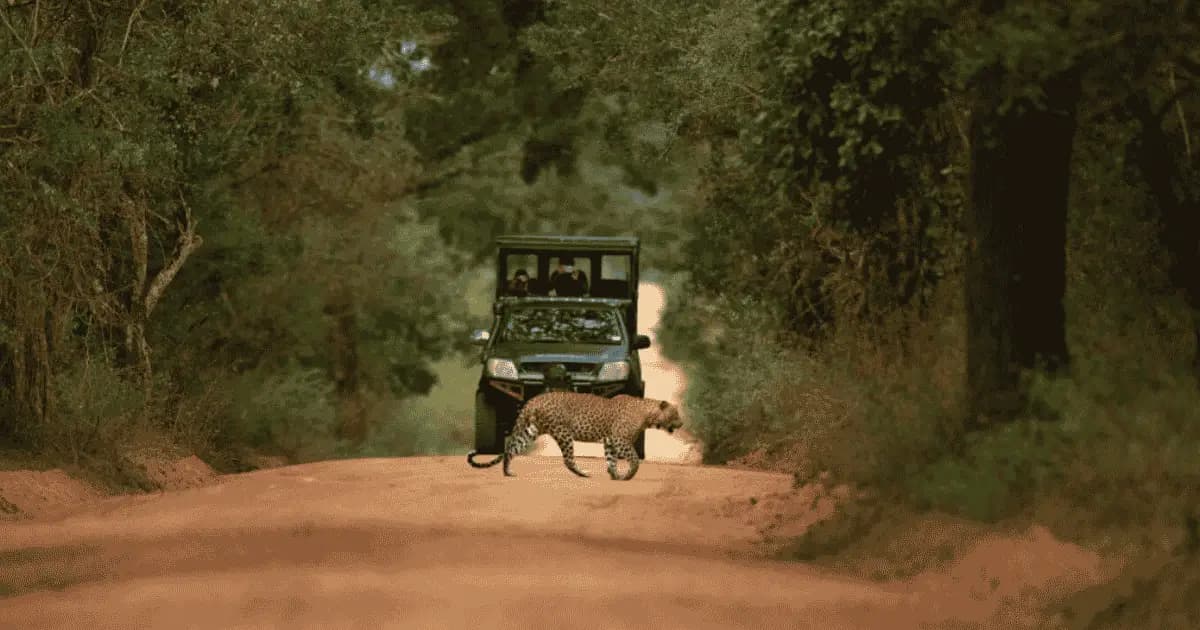
The landscape begins changing long before travelers actually reach Yala National Park.
The roads become drier, forests grow thicker beside the highways, elephant crossing signs begin appearing more frequently, and the feeling of entering wild territory slowly becomes impossible to ignore.
This Yala travel guide covers one of the most adventurous and wildlife-rich regions in southern Sri Lanka — a place where jungle, ancient temples, and remote coastline still dominate the landscape far beyond the reach of the island's busier tourist routes.
For many travelers exploring Sri Lanka by tuk tuk, Yala becomes one of the most exciting parts of the entire journey. Unlike Sri Lanka's beach towns or mountain villages, Yala is built around wilderness.
This region is famous for leopard safaris, wild elephants, dense jungle, dry-zone forests, remote lakes, ancient temples hidden deep within the trees, and long untouched stretches of coastline where nature still dominates the landscape. For many visitors, Yala becomes the closest experience to an African-style safari that Sri Lanka offers.
What Makes Yala Different
Yala feels genuinely wild. Outside the safari lodges and entrance roads, much of the region remains untouched dry-zone forest where elephants, leopards, crocodiles, sloth bears, and countless bird species still move freely through the landscape.
The environment constantly changes between thick jungle, open grasslands, rocky outcrops, wetlands, coastal wilderness, and hidden waterholes, creating one of the most diverse ecosystems in Sri Lanka.
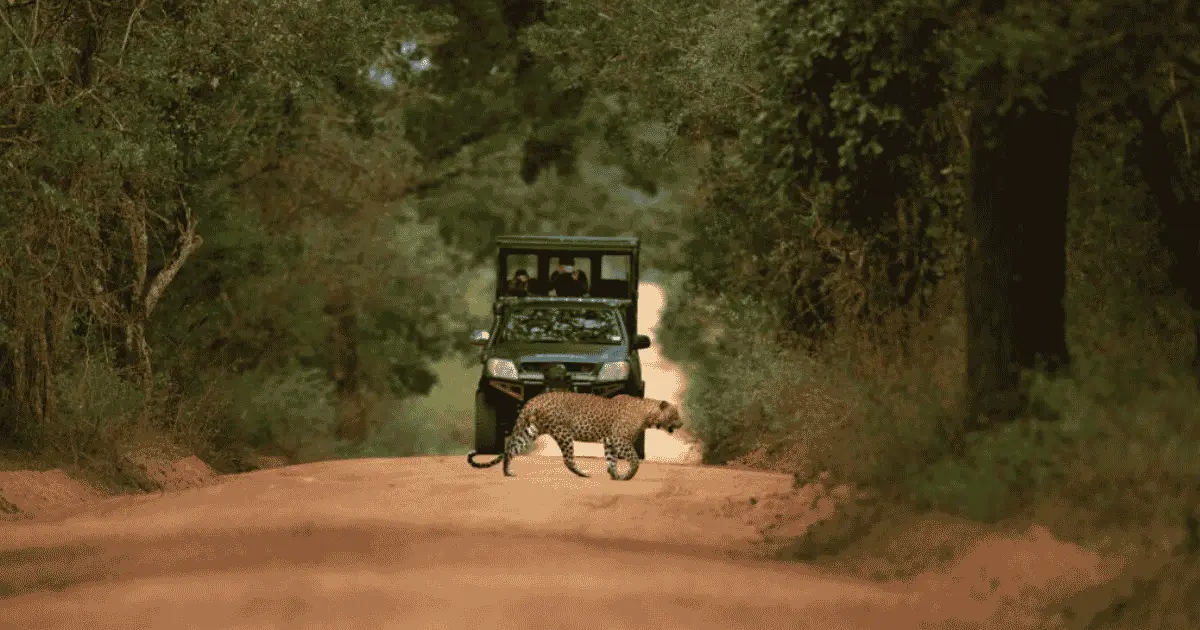
One of the biggest reasons travelers visit Yala is because it has one of the highest leopard densities in the world. Although sightings are never guaranteed, the possibility of spotting a leopard moving silently through the forest creates an excitement that shapes the entire safari experience.
Unlike cities or beach towns, days in Yala revolve around sunrise safaris, wildlife sightings, campfire dinners, jungle silence, and long evenings surrounded by nature rather than nightlife or crowds. The atmosphere here feels slower, quieter, and deeply connected to the wilderness itself.
Driving to Yala by Tuk Tuk
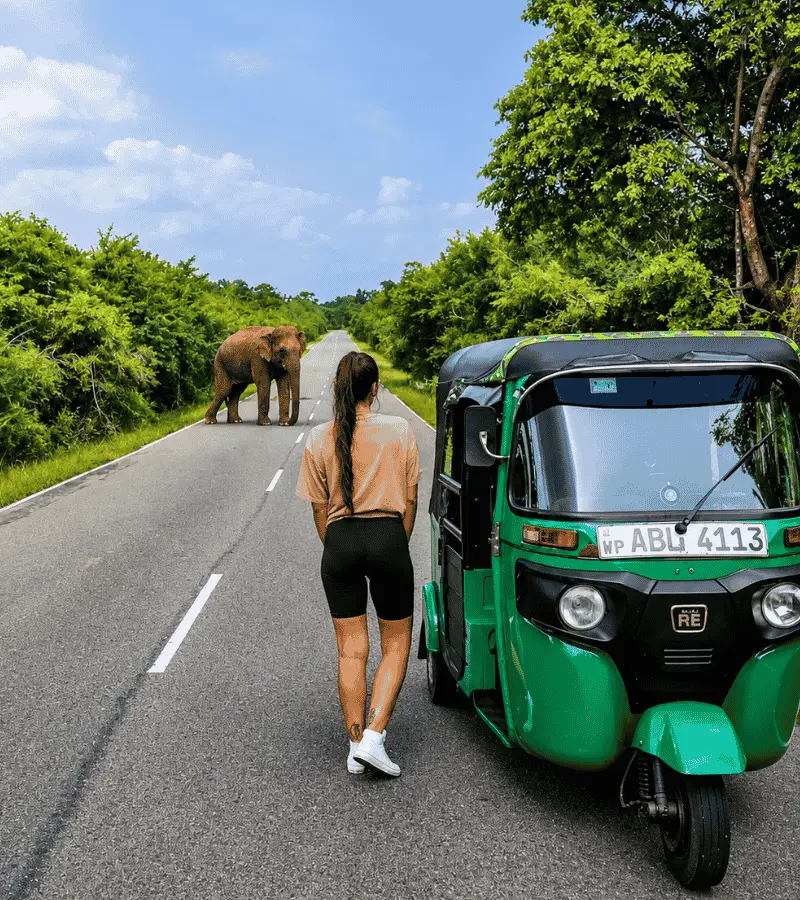
Driving toward Yala becomes one of the most scenic and adventurous road trips in southern Sri Lanka. Depending on the route, travelers pass through dry forests, rice fields, elephant crossing zones, coastal roads, remote villages, and open landscapes where wildlife sightings beside the road become increasingly common.
Compared to the hill country, the roads are generally flatter and easier to drive, but wildlife awareness becomes much more important. In certain areas near the national park, it is completely normal to encounter wild elephants standing beside the road, peacocks crossing highways, large monitor lizards warming themselves on the roadside, or monkeys moving through the trees above.
Driving during sunrise or sunset becomes especially beautiful as golden light moves through the forests and grasslands surrounding the park. For many travelers, simply reaching Yala already feels like part of the adventure itself.
Leopard Safaris in Yala National Park
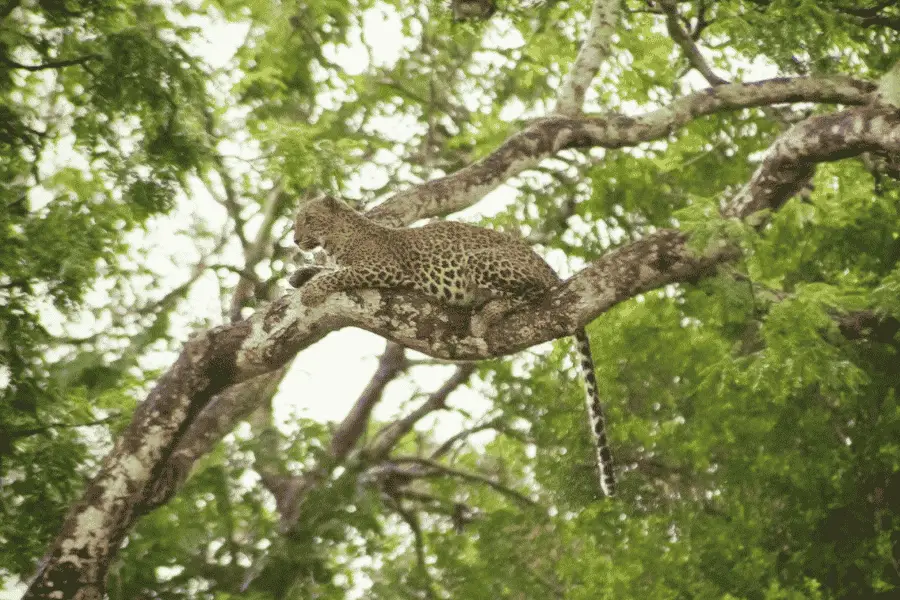
Safari drives usually begin before sunrise, when the air is cooler and the wilderness is just beginning to wake up. As the gates open in the early morning darkness, safari jeeps slowly move through dusty jungle roads while the first sunlight begins spreading across forests, lakes, and open grasslands.
Yala is best known for its leopard population, and for many travelers, spotting one becomes the highlight of their entire Sri Lankan journey. Seeing a leopard resting silently on a rock formation or walking slowly through the forest stays with travelers not simply because of the animal itself, but because of the silence and tension that suddenly fills the jungle when it appears.
Every movement inside the forest suddenly matters. A rustling branch, fresh leopard tracks across the road, or alarm calls from deer can instantly change the atmosphere inside the jeep.
Yet even without a leopard sighting, the safari experience itself remains extraordinary. Throughout the park, travelers regularly encounter elephants, crocodiles, spotted deer, wild boar, jackals, buffalo, peacocks, eagles, owls, and countless bird species moving through constantly changing landscapes. No two safaris ever feel the same.
Sunrise in the Jungle
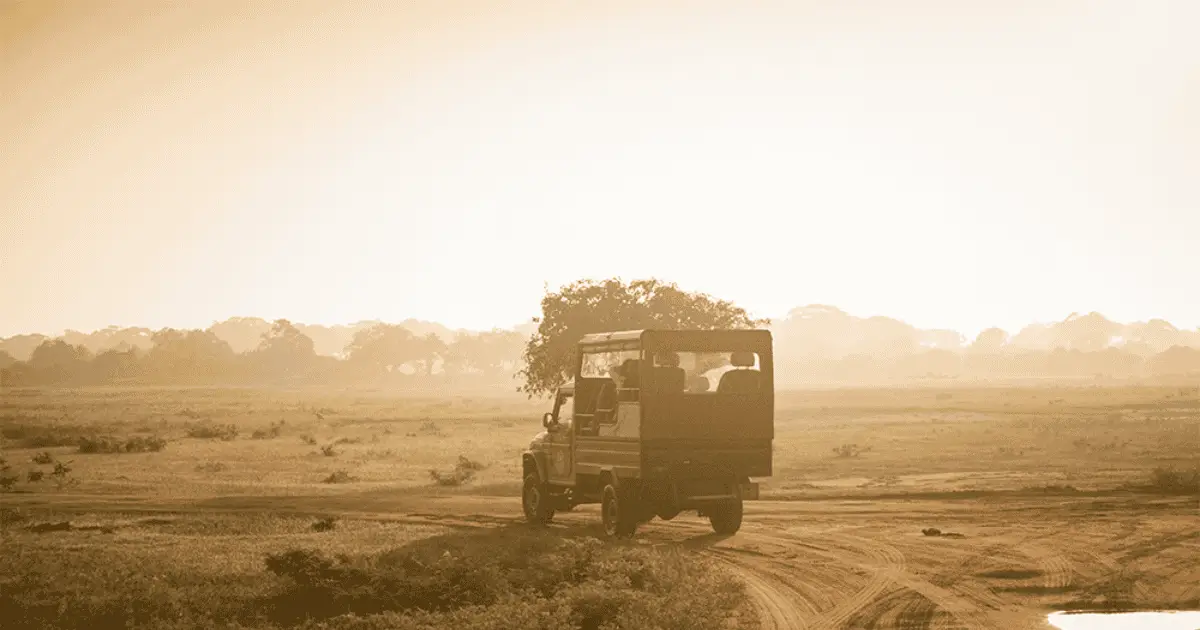
One of the most memorable moments in Yala happens during the early morning hours. As the sun rises across the dry forests and mist slowly lifts from the grasslands, the entire park begins waking up.
Birds become active above the wetlands while deer move carefully through open clearings and elephants gather beside waterholes before the heat of the day arrives. The golden light across Yala's lakes, forests, and dusty roads creates some of the most beautiful scenery anywhere in southern Sri Lanka.
For photographers and nature lovers especially, sunrise in Yala often becomes one of the defining memories of the entire trip.
Sithulpawwa Rock Temple — Ancient Monastery in the Wilderness
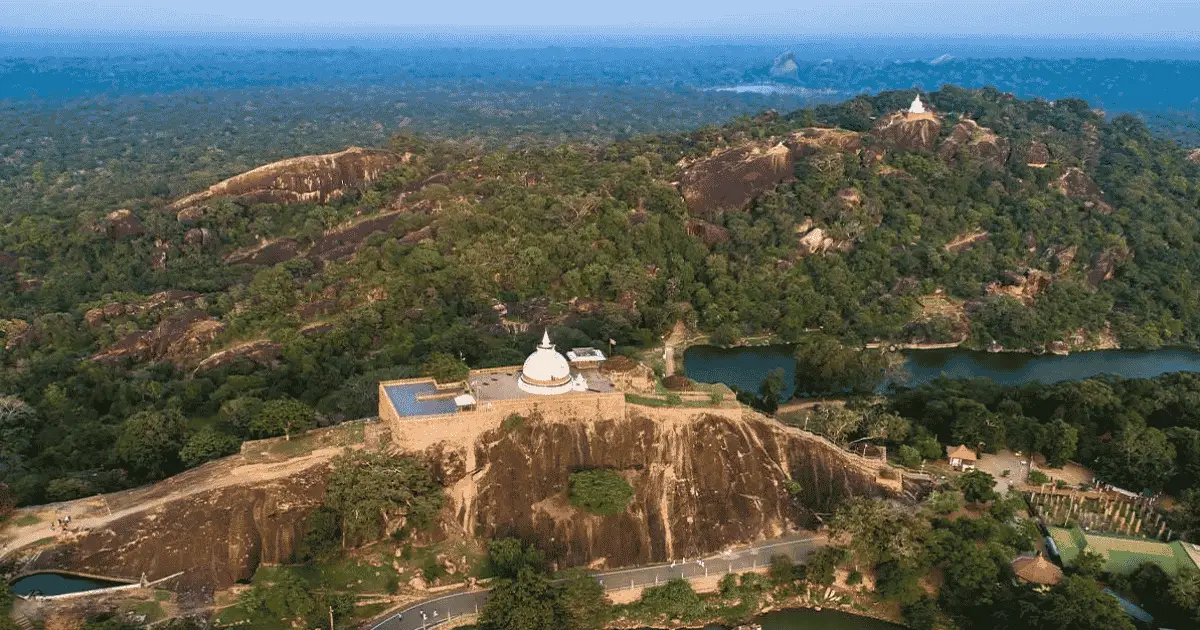
Hidden deep within the forests surrounding Yala lies Sithulpawwa Rajamaha Viharaya, one of Sri Lanka's oldest Buddhist monastery complexes. Dating back more than 2,000 years, the temple sits surrounded by giant rock formations, jungle scenery, meditation caves, and ancient ruins that still feel deeply isolated from the modern world.
Unlike Sri Lanka's larger temple complexes, Sithulpawwa feels peaceful, remote, and almost completely immersed within nature. According to Sri Lankan history, thousands of monks once lived and meditated within this forest monastery during ancient times.
Climbing to the top of the rock offers panoramic views across forests, lakes, and the surrounding wilderness stretching toward Yala National Park itself. Because of its remote setting, visiting Sithulpawwa feels far more adventurous and atmospheric than many of the island's better-known religious sites.
Kataragama — Sri Lanka's Spiritual Crossroads
Near the Yala region lies Kataragama Temple, one of the most spiritually important pilgrimage destinations in Sri Lanka. What sets Kataragama apart is the way multiple religions and communities worship within the same sacred region.
For centuries, Buddhists, Hindus, Muslims, and indigenous Vedda communities have all considered Kataragama a holy place deeply connected to pilgrimage, devotion, and ancient spiritual traditions.
The atmosphere around the temple becomes especially powerful during the evenings. Oil lamps illuminate the shrines while drums echo through the air and pilgrims carry flowers, fruit, and incense offerings beneath the night sky. Beside the main temple complex stands Kiri Vehera, one of the oldest Buddhist stupas in Sri Lanka and an important sacred site connected to ancient Buddhist history.
For many travelers, Kataragama becomes far more than a temple stop. It becomes an opportunity to experience Sri Lanka's spiritual diversity, living traditions, and pilgrimage culture all within one deeply atmospheric place.
The Wild Coast Around Yala
The coastline surrounding Yala feels very different from Sri Lanka's famous tourist beaches. Many of the beaches near the national park remain empty, remote, and completely surrounded by wilderness.
Areas near Kirinda combine giant waves, rocky coastlines, fishing villages, sand dunes, and dense jungle scenery that create a dramatic and untamed atmosphere. Swimming is not always recommended because of strong currents and isolated conditions, but the scenery stays with travelers long after they leave.
Watching waves crash against the coastline while jungle stretches almost directly toward the ocean creates a side of Sri Lanka many travelers never expect to see. Nearby, Kirinda Rajamaha Viharaya sits dramatically above the Indian Ocean, offering sweeping views across the southern coastline. The temple is closely connected to ancient Sri Lankan legends and maritime history, while the surrounding fishing village still feels deeply tied to everyday coastal life.
Birdlife & Nature Around Yala
Even travelers who are not especially interested in wildlife often become fascinated by the birdlife around Yala. The region's wetlands, lakes, forests, and coastal ecosystems support enormous biodiversity throughout the year.
Pelicans glide across the lakes while peacocks move through open grasslands and eagles circle high above the forests. During sunrise, the sounds of birds echo across the wilderness long before safari vehicles begin moving through the park.
For photographers and nature lovers, Yala becomes one of the best wildlife photography destinations anywhere in Sri Lanka.
Things To Do in Yala
- Book a morning safari jeep through a licensed operator at the Palatupana entrance before sunrise.
- Climb the rock at Sithulpawwa for panoramic views across surrounding jungle, lakes, and wilderness.
- Attend evening prayers at Kataragama Temple and watch pilgrims arrive with flower and incense offerings beneath the lamps.
- Drive south along the Kirinda coastline and watch waves break against the rocky shoreline.
- Visit Kirinda Rajamaha Viharaya, perched above the Indian Ocean with sweeping views across the southern coast.
- Look for birdlife around the wetlands and shallow lakes bordering the park during early morning hours.
- Explore the villages around Tissamaharama for local markets, rice and curry, and everyday life on the edge of the wilderness.
- Watch sunsets across the dry-zone forests from your lodge before an early night ahead of the next morning safari.
Staying Around Yala
Accommodation around Yala ranges from luxury safari lodges and jungle camps to eco resorts, beach cabanas, and family-run guesthouses hidden among the forests and villages surrounding the park.
Many travelers stay near Tissamaharama, Kirinda, Kataragama, or the Palatupana entrance area depending on whether they prefer easier safari access, beaches, or town facilities.
Unlike Sri Lanka's busy tourism hubs, evenings around Yala usually feel peaceful and quiet once safari hours end. The atmosphere revolves around campfires, outdoor dinners, wildlife stories, and early nights before sunrise safari departures.
Food & Atmosphere Around Yala
The atmosphere around Yala feels far more connected to nature than tourism. Meals are often enjoyed outdoors beneath the trees while the sounds of insects and distant wildlife move through the darkness surrounding the lodges.
Food throughout the region usually focuses on traditional Sri Lankan rice and curry, fresh seafood, grilled meats, and village-style cooking prepared using local ingredients from surrounding farming communities. Many safari lodges also organize outdoor BBQ dinners and campfire dining experiences that become memorable parts of the overall safari atmosphere.
After long dusty days inside the wilderness, evenings around Yala feel calm, quiet, and deeply relaxing.
Driving Around Yala by Tuk Tuk
Driving near Yala requires more awareness compared to many other parts of Sri Lanka. Wildlife crossings are common, especially near forest roads and elephant corridors, so travelers should always drive slowly and avoid isolated jungle roads late at night.
Tuk tuks cannot enter Yala National Park itself — safari drives require a licensed jeep and naturalist guide booked in advance. A tuk tuk is excellent for reaching Yala, exploring Kataragama, Sithulpawwa, and the wild southern coastline, but leave the park interior to the jeep.
Carrying enough fuel, water, and basic supplies also becomes more important because some regions surrounding the park remain relatively remote. Yet for many tuk tuk travelers, this is exactly what makes Yala so memorable. Seeing wild elephants beside the road while driving through the southern wilderness becomes one of those moments travelers remember long after leaving Sri Lanka.
Where To Head Next
One of the best things about Yala is how naturally it connects to several completely different sides of Sri Lanka. Many travelers continue west along the southern coastline toward Tangalle, Mirissa and Weligama, and eventually Galle and the southwest coast, where the wilderness slowly transitions back into palm-lined beaches, surf towns, and tropical coastal scenery.
Others head inland toward Ella and Bandarawela through winding mountain roads that gradually climb from dry forests into cooler tea-covered hills and waterfalls. Travelers interested in Sri Lanka's quieter eastern coastline often continue toward Arugam Bay and the lagoons and beaches of the east coast.
For many tuk tuk travelers, however, Yala becomes the place where Sri Lanka feels at its wildest and most untamed — a region where leopards, elephants, ancient temples, jungle forests, and remote coastlines still dominate the landscape far beyond the reach of the island's busier tourism routes.
Why Travelers Remember Yala
For most tuk tuk travelers, Yala is the place where Sri Lanka stops feeling like a tourist destination and starts feeling genuinely wild. The leopard spotted between the rocks during a morning safari, the silence of the jungle at sunrise, the oil lamps burning through the night at Kataragama — those are the things that stay long after returning home.
Frequently Asked Questions — Yala Travel Guide
How far is Yala National Park from Negombo?
Yala National Park is approximately 260–280 km from Negombo. By tuk tuk the drive takes around 6–8 hours depending on the route. Most travelers stop in Colombo, Galle, or Tangalle along the way.
What is the best time to visit Yala National Park?
The best time to visit Yala is from February to July during the dry season. This is when wildlife concentrates around waterholes and roads are at their most navigable. The park partially closes during the wet season, typically from September to October.
Can you see leopards in Yala National Park?
Yes. Yala has one of the highest leopard densities of any national park in the world. Sightings are never guaranteed, but leopards are frequently spotted during morning and late afternoon safaris, particularly near rocky outcrops and water sources inside the park.
What is Sithulpawwa Rock Temple?
Sithulpawwa Rajamaha Viharaya is a 2,000-year-old Buddhist monastery complex among giant rock formations and jungle scenery near Yala National Park. According to Sri Lankan historical records, thousands of monks once lived and meditated here. The climb to the top offers panoramic views across the surrounding wilderness.
Can tuk tuks enter Yala National Park?
Tuk tuks cannot enter Yala National Park. All safari drives must be taken in a licensed 4WD jeep with a registered naturalist guide. A tuk tuk is ideal for reaching Yala and exploring the surrounding region, but the park interior requires a jeep.