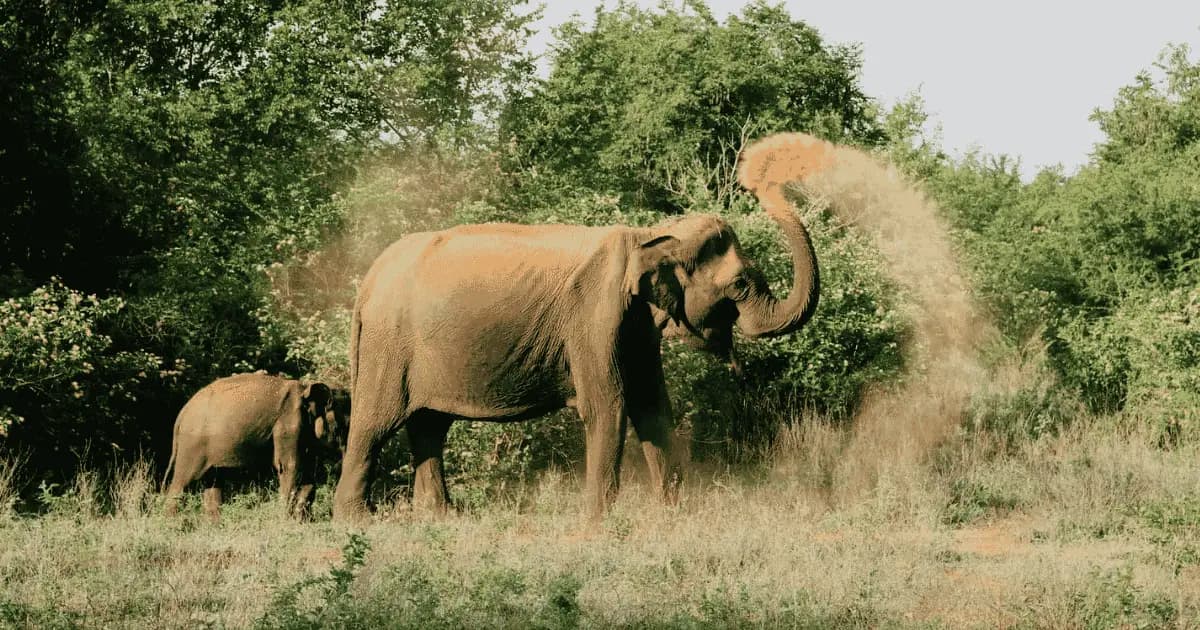
As the mountain roads descend from Ella, Haputale, and the cooler central highlands, Sri Lanka begins to transform dramatically. The mist-covered hills disappear behind you, the air becomes warmer, forests open into wide plains, and elephant crossing signs begin appearing beside the roads.
This Udawalawe travel guide covers one of Sri Lanka's most important wildlife regions and one of the best places in Asia to witness wild elephants roaming freely across open landscapes throughout the year.
Unlike the dense jungles of Sinharaja or the cooler tea hills of the central highlands, Udawalawe feels vast, dry, open, and beautifully untamed. Golden grasslands stretch toward the horizon while rivers, forests, rocky plains, and enormous reservoirs shape the landscape beneath endless southern skies.
For many travelers, Udawalawe becomes more than simply a safari destination. It becomes a completely different side of Sri Lanka — one where nature moves slower, wildlife feels closer, and the landscapes themselves create a sense of freedom difficult to find elsewhere on the island.
The Safari Experience — Entering Elephant Country
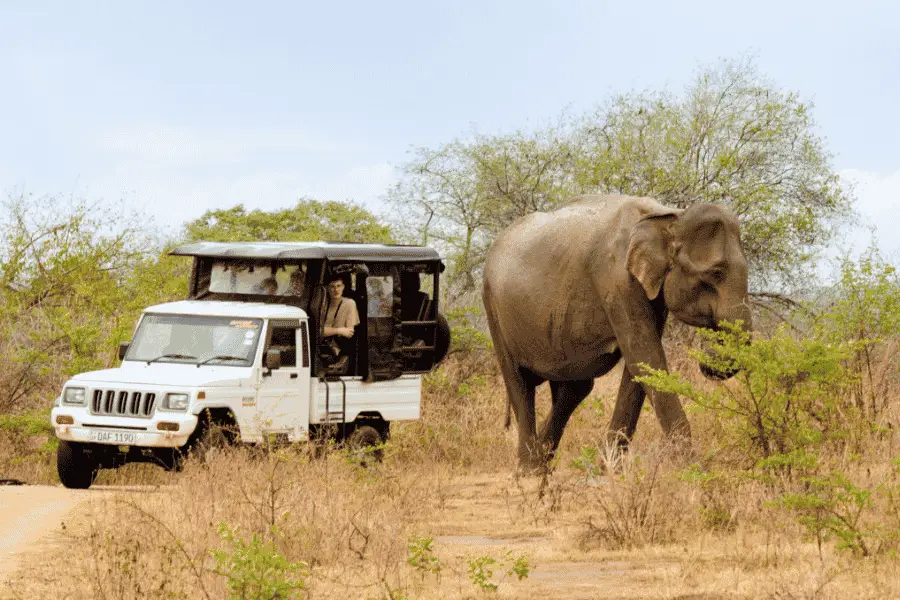
The heart of the region is Udawalawe National Park, one of Sri Lanka's most famous wildlife reserves. Established in 1972 after the construction of the Udawalawe Reservoir, the park was created to protect wildlife displaced by large-scale irrigation development across the region. Today it has become one of the island's most important ecosystems and one of the best places in the world to observe wild Asian elephants throughout the year.
Tuk tuks cannot enter the national park. Jeep safaris with licensed drivers are the only way inside, arranged from guesthouses and operators near the park entrance.
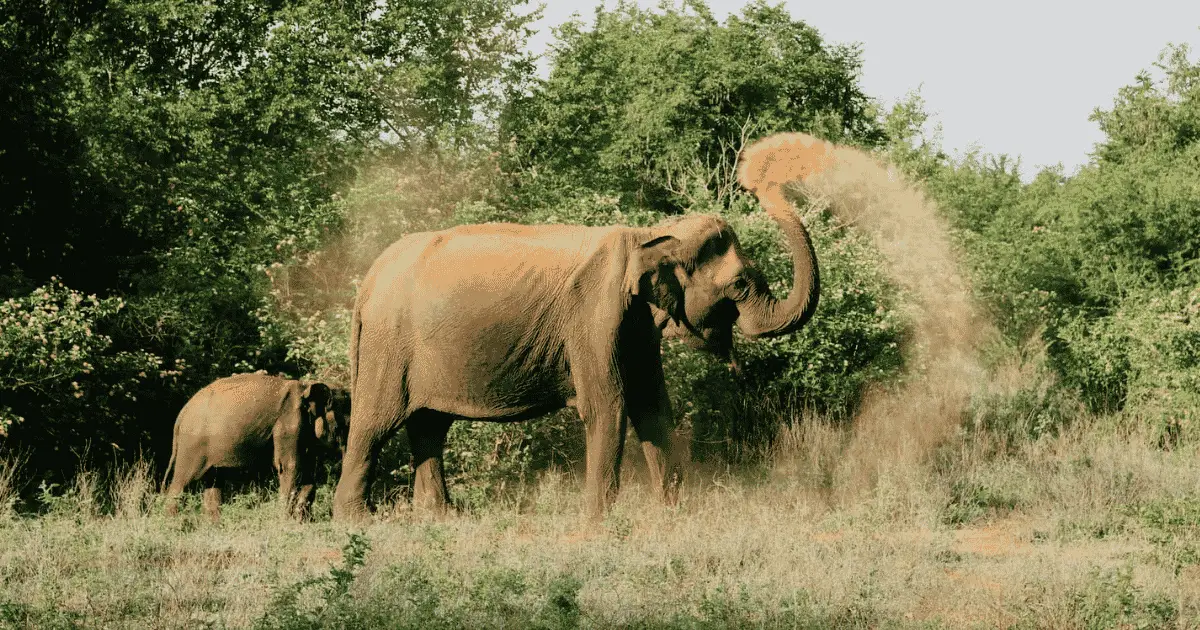
Unlike heavily forested safari parks where animals remain hidden within dense jungle, Udawalawe's open grasslands and scrub forests create remarkably clear wildlife sightings. Elephants wander freely across the plains, often gathering near reservoirs and rivers where you can quietly observe entire herds feeding, bathing, or crossing the dusty safari roads.
The park is also home to:
- crocodiles and water buffalo
- spotted deer and jackals
- monitor lizards and monkeys
- peacocks, eagles, painted storks, and hundreds of bird species
Early mornings inside Udawalawe feel especially memorable. Mist drifts slowly above the grasslands while the rising sun paints the plains in golden light and birds begin echoing across the open wilderness.
The Reservoir That Changed the Landscape
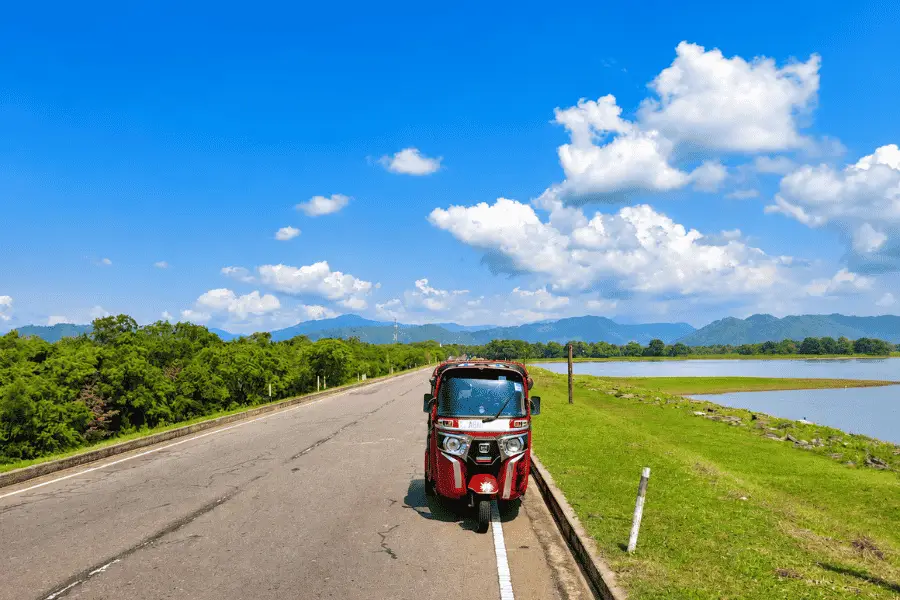
One of the defining features of the region is the enormous Udawalawe Reservoir, built across the Walawe River as part of Sri Lanka's major irrigation and agricultural development projects. The reservoir completely transformed the surrounding landscape, turning the region into both an important farming zone and a sanctuary for wildlife.
Today, the massive body of water creates some of the most beautiful scenery in southern Sri Lanka. During sunrise and sunset, the calm reservoir reflects the changing skies while elephants, buffalo, and birds gather along the shoreline. The contrast between dry grasslands, open water, distant mountains, and scattered forests gives Udawalawe a landscape very different from anywhere else on the island.
Elephant Conservation & The Elephant Transit Home
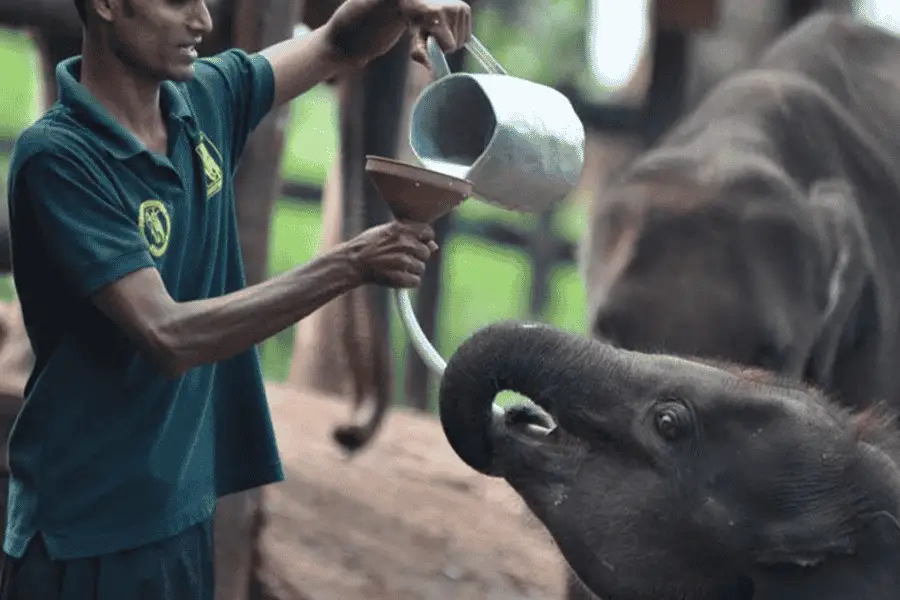
Near the national park lies the Elephant Transit Home, one of Sri Lanka's most respected elephant conservation centers. Unlike tourist-focused elephant attractions, it was created with one purpose — rehabilitating orphaned and injured elephant calves before eventually releasing them back into the wild.
Young elephants rescued from conflict zones or separated from their herds are temporarily cared for here until they are strong enough to survive independently within protected wildlife areas. Visitors can observe feeding sessions from designated viewing areas while learning about Sri Lanka's conservation efforts and the growing challenges faced by wild elephant populations.
The experience feels educational and deeply connected to the realities of wildlife conservation in modern Sri Lanka.
Birdlife, Open Skies & Dry-Zone Wilderness
Although Udawalawe is most famous for elephants, the region is also one of Sri Lanka's finest birdwatching destinations. The open plains, wetlands, forests, and reservoir ecosystems attract both endemic and migratory bird species throughout the year.
Commonly spotted species include:
- painted storks and pelicans near the reservoir
- kingfishers and bee-eaters along waterways
- hornbills and peacocks across the grasslands
- eagles and hawks circling high above the open plains
Unlike dense rainforest environments where wildlife remains hidden, Udawalawe's open landscapes create beautifully clear views for birdwatchers and photographers. During quieter evenings, warm winds move through the grasslands while birds cross the orange skies above the reservoir as the sun disappears behind the distant hills.
Roads Through the Southern Plains
Driving through the Udawalawe region feels vastly different from Sri Lanka's mountain roads. The landscapes open dramatically, revealing long stretches of dry forest, reservoirs, rivers, and farming villages beneath huge southern skies. The roads themselves often feel peaceful and quiet.
Travelers pass through:
- banana plantations and sugarcane fields
- irrigation canals and reservoir viewpoints
- roadside fruit stalls and small village homes
- dry-zone forest roads where wildlife occasionally crosses
Wild elephants occasionally appear beside forest roads, especially during early mornings and evenings when they move closer to water sources outside protected park boundaries. For tuk tuk travelers, few experiences in Sri Lanka feel as memorable as driving slowly through elephant country beneath the warm southern sunset.
Life Around Udawalawe
Beyond safaris and wildlife, the surrounding region remains deeply connected to agriculture and village life. The reservoir system supports farming communities throughout the southern plains, and much of everyday life here revolves around water, agriculture, and the changing dry-zone seasons.
Compared to Sri Lanka's busier tourism regions, the atmosphere around Udawalawe feels slower and more grounded. Small roadside restaurants, rice and curry shops, fruit stalls, and simple guesthouses dominate the area rather than nightlife or crowded tourist cafés. Meals often feel fresh, local, and comforting after long safari drives beneath the heat of the southern plains.
Exploring Udawalawe by Tuk Tuk
Udawalawe is one of the easiest wildlife regions in Sri Lanka to explore by tuk tuk. The roads are generally flatter and less demanding than the steep mountain routes found in Ella or Haputale, making the area ideal for slower road trips. That said, always remain cautious around wildlife areas, especially after dark when elephants occasionally move near roads outside the national park.
The freedom of slowly driving through forests, reservoirs, farming villages, and open plains while knowing wild elephants may be somewhere nearby creates one of the most unique travel experiences anywhere on the island.
Where To Head Next
From Udawalawe, many travelers continue south toward Tangalle and Mirissa and Sri Lanka's southern beaches, while others return into the mountains toward Ella, Haputale, and the central highlands. Some travelers combine Udawalawe with nearby Sinharaja Rainforest to experience Sri Lanka's extraordinary diversity of landscapes within a single journey.
Why Travelers Remember Udawalawe
For many tuk tuk travelers, Udawalawe becomes far more than simply a safari stop. The open plains, the reservoir at sunrise, the quiet moment when an entire elephant herd crosses the road ahead — those are the things that stay with people long after leaving Sri Lanka's southern wilderness.
Frequently Asked Questions — Udawalawe Travel Guide
How far is Udawalawe from Negombo?
Udawalawe is approximately 230–250 km from Negombo by road. By tuk tuk the drive takes around 5–7 hours depending on the route. Most travelers approach from Ella or Haputale through the mountain roads, or from the southern coast via Tangalle or Embilipitiya.
When is the best time to visit Udawalawe?
Udawalawe can be visited year-round. The dry season between May and September generally offers better wildlife sightings as animals gather near water sources. Elephants are present throughout the year, making it one of the most reliable safari destinations in Sri Lanka regardless of season.
What animals can you see in Udawalawe National Park?
Udawalawe is most famous for large herds of wild Asian elephants visible throughout the year. The park also supports crocodiles, water buffalo, spotted deer, jackals, monitor lizards, and numerous bird species including peacocks, painted storks, eagles, kingfishers, and bee-eaters.
What is the Elephant Transit Home in Udawalawe?
The Elephant Transit Home is a government-run conservation center near Udawalawe National Park. It rehabilitates orphaned and injured elephant calves before releasing them back into the wild. Visitors can observe twice-daily feeding sessions from designated viewing areas.
Can tuk tuks enter Udawalawe National Park?
No. Udawalawe National Park requires visitors to travel by jeep with a licensed driver. Jeep safaris are arranged from guesthouses and operators near the park entrance. Tuk tuks are ideal for exploring the surrounding roads, villages, and the Elephant Transit Home, but cannot enter the park itself.