There's something about Sri Lanka's southern coastline that makes travelers slow down without even realizing it. Maybe it's the way the Indian Ocean keeps appearing beside the roads. Maybe it's the railway tracks running almost against the waves. Or maybe it's how every coastal town somehow carries its own completely different personality despite being only a short drive apart.
The journey through Ahangama, Unawatuna, Galle, and Hikkaduwa feels less like visiting separate destinations and more like experiencing different moods of Sri Lanka's southern coast itself. Some places revolve around surf culture and slow café mornings. Others are built around centuries of colonial history, fishing traditions, coral reefs, hidden beaches, seafood markets, and warm evenings beside the Indian Ocean.
For travelers exploring Sri Lanka's southern coast, this becomes one of the island's most rewarding road trips — a journey where every town feels visually and emotionally different from the last.
Ahangama — Surfboards, Palm Trees & Sri Lanka's Creative Coastal Culture
Ahangama feels youthful, creative, and deeply connected to the ocean. What was once a quieter fishing town has slowly evolved into one of Sri Lanka's most stylish surf destinations, yet somehow still manages to feel relaxed rather than overcrowded.
The roads pass beach cafés hidden beneath coconut palms while surfers carry boards across the highway toward breaks like Kabalana and Midigama. Boutique villas disappear into tropical gardens while yoga studios, smoothie cafés, and coworking spaces slowly wake beneath the morning sun.
But despite the growing surf culture, Ahangama still feels unmistakably Sri Lankan. Fishermen continue heading out before sunrise while roadside fruit stalls, tea shops, and fishing boats remain deeply connected to daily life beside the coast.
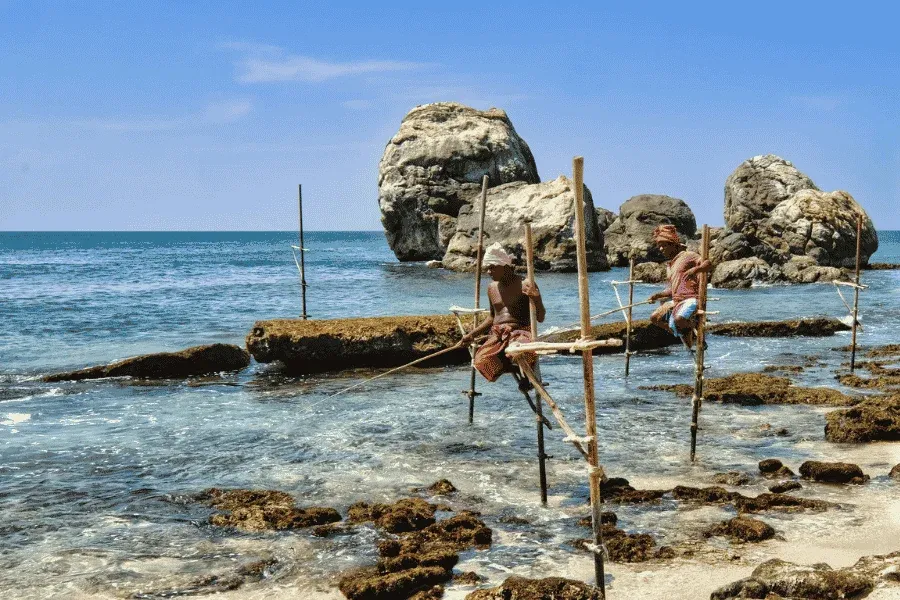
One of the most iconic sights near Ahangama remains the traditional stilt fishermen balancing above the ocean on narrow wooden poles — a practice that became one of the defining images of Sri Lanka's southern coastline for generations.
Sunsets here feel slow and effortless. Travelers spend hours moving between cafés, beaches, surf breaks, and ocean viewpoints while warm sea winds drift through the palms and the sound of waves never fully disappears in the background.
Things To Experience in Ahangama
- Surf at Kabalana and Midigama, some of Sri Lanka's most famous breaks surrounded by tropical coastline and relaxed surf culture
- Discover stylish cafés, coworking spaces, smoothie bars, and boutique stays hidden among the palms
- Photograph traditional stilt fishermen — one of Sri Lanka's most iconic coastal traditions
- Experience oceanfront yoga, wellness retreats, and slower tropical living
- Watch sunset along the coastline while surfers catch the final waves beneath golden skies
Unawatuna — Jungle Bays, Golden Beaches & Tropical Evenings
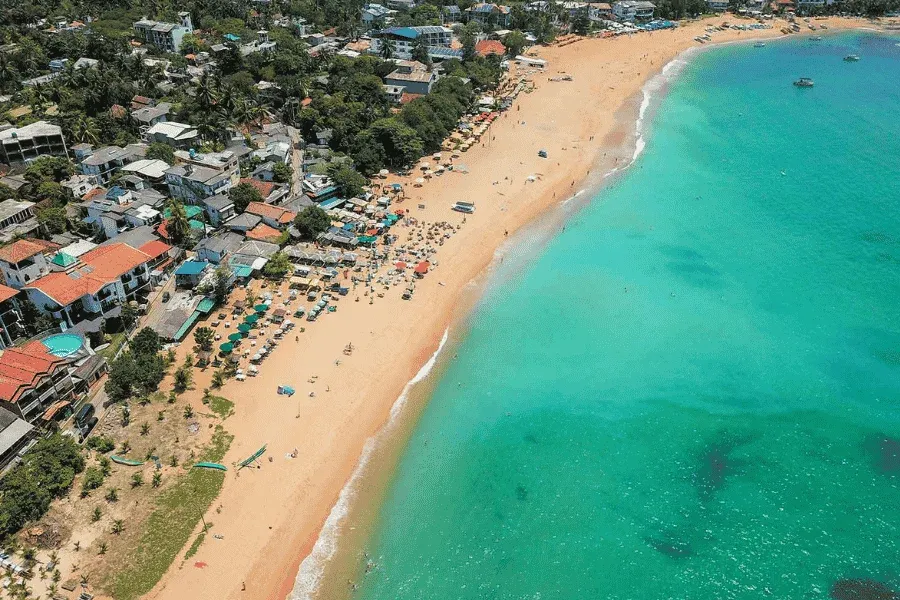
Further west, the coastline softens completely as the road curves into the famous bay of Unawatuna. Unlike the stronger surf atmosphere of Ahangama, Unawatuna feels calmer, warmer, and more sheltered. The ocean here becomes gentler during the dry season while the beach curves beneath jungle-covered hills lined with guesthouses, seafood restaurants, and cafés directly facing the sea.
There's an almost timeless feeling to Unawatuna during the evenings. Lanterns begin glowing beneath the palm trees while seafood grills fill the air with smoke and spices. Travelers walk barefoot along the shoreline as waves roll quietly beside the restaurants and music drifts softly through the warm coastal air.
Behind the beach itself, the roads quickly disappear into thick greenery leading toward hidden villas, yoga retreats, quiet cafés, and jungle-covered hills overlooking the bay.
One of the most fascinating places nearby is Rumassala, the forest-covered hill rising above the coastline. According to the Ramayana legend, Hanuman carried part of a Himalayan mountain filled with medicinal herbs to Sri Lanka during the battle involving Prince Rama, and pieces of that mountain are believed to have fallen here. The hill still feels mysterious today, covered in unusually rich vegetation overlooking the ocean below.
Nearby, the Japanese Peace Pagoda stands quietly above the coastline, built by Japanese Buddhist monks after World War II as part of a global peace movement.
Things To Experience in Unawatuna
- Relax on Unawatuna Beach with calmer tropical waters, golden sand, and relaxed beach atmosphere beneath the palms
- Visit the Japanese Peace Pagoda for peaceful ocean views and Buddhist architecture above the coastline
- Explore Rumassala Hill for jungle trails, ocean viewpoints, and Ramayana legends connected to the region
- Enjoy lantern-lit beachfront seafood dinners beside the ocean during warm tropical evenings
- Snorkel and swim in calmer bays and tropical coastal waters during suitable seasons
Galle — Where Colonial Sri Lanka Still Lives Beside the Ocean
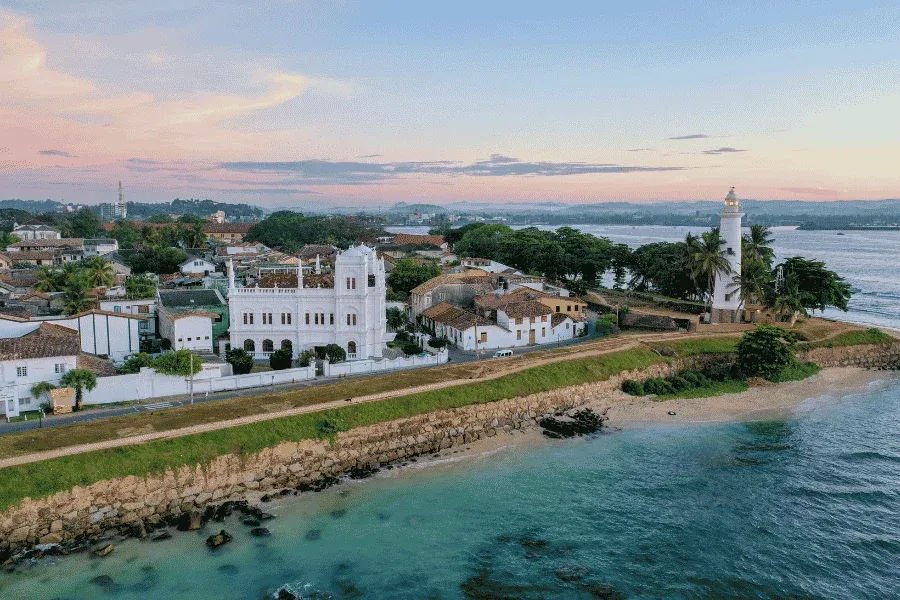
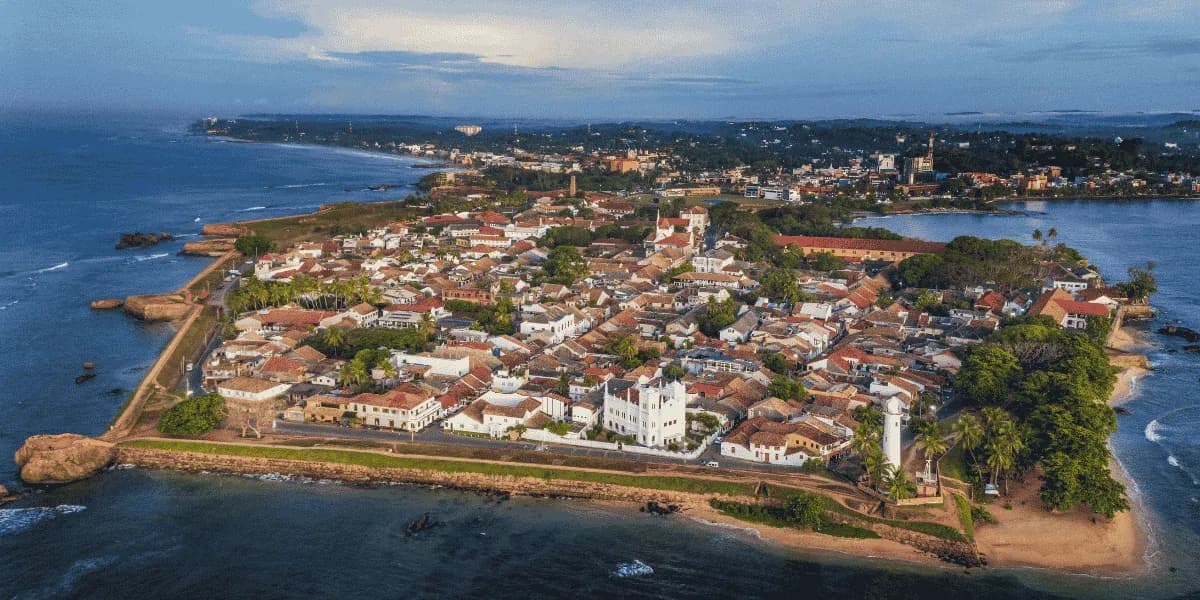
Eventually, the tropical beaches and palm-lined roads lead into something completely different. The stone walls of Galle Fort rise beside the sea exactly as they have for centuries, creating one of the most historically important coastal cities anywhere in Asia.
Long before the Portuguese, Dutch, or British arrived, Galle was already one of Sri Lanka's great trading ports connected to merchants from Arabia, Persia, India, and China. But it was during Dutch rule in the 17th century that Galle became the fortified colonial city travelers experience today.
Walking through the fort feels less like visiting a museum and more like stepping into a living piece of old maritime Ceylon. Narrow streets pass colonial churches, weathered stone walls, hidden courtyards, bookstores, cafés, boutique hotels, and old merchant homes built inside structures that are hundreds of years old.
Unlike many historic cities around the world, people still live inside Galle Fort. Children ride bicycles through the alleyways while laundry hangs from old balconies above streets lined with cafés and art galleries. The ocean never feels far away here. Waves crash against the fort walls while warm sea winds move through the narrow lanes and the lighthouse rises above the coastline beside the Indian Ocean.
As evening approaches, travelers slowly gather along the old ramparts overlooking the sea. Couples sit facing the sunset while children fly kites above the grass and photographers wait beside the lighthouse for the final golden light falling across the fort walls.
It's difficult to explain exactly why Galle feels so memorable. Maybe it's the collision between tropical Sri Lanka and European colonial history. Or maybe it's simply the atmosphere of wandering old stone streets while hearing the ocean crashing beyond the walls. Either way, Galle becomes one of those places travelers almost always wish they had stayed longer.
Things To Experience in Galle
- Explore Galle Fort (UNESCO World Heritage Site) — colonial streets, old fort walls, cafés, churches, museums, and hidden courtyards beside the sea
- Watch sunset from the fort ramparts for one of Sri Lanka's most iconic coastal sunsets overlooking the Indian Ocean
- Visit the Galle Lighthouse, one of the most recognizable landmarks along Sri Lanka's southern coastline
- Discover cafés, art galleries, and boutique stores within the creative atmosphere of the old fort streets
- Learn about centuries of Portuguese, Dutch, British, Arab, and Asian trading influence connected to Galle
Hikkaduwa — Coral Reefs, Surf Culture & Backpacker Energy
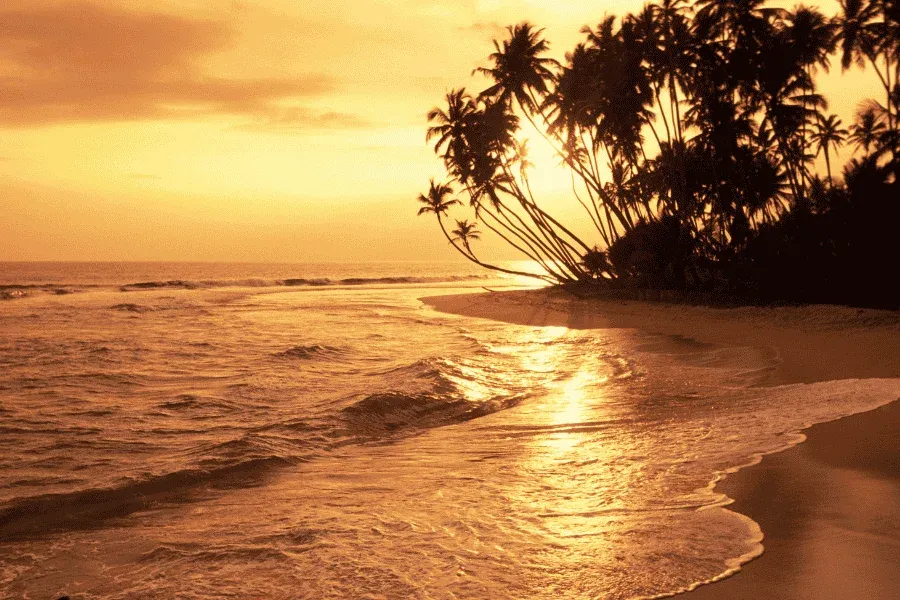
Further north, Hikkaduwa introduces another completely different atmosphere again. Compared to the quieter tropical pace of Unawatuna or the boutique feel of Ahangama, Hikkaduwa feels more energetic, social, and deeply connected to Sri Lanka's older backpacker surf culture.
For decades, travelers have been arriving here for surfing, nightlife, snorkeling, diving, beach cafés, and the lively coastal atmosphere stretching beside the ocean road. The town itself feels constantly alive. Surf shops, reggae bars, seafood restaurants, beach cafés, diving schools, tuk tuks, and music spill across the coastline while trains pass dramatically beside the ocean only meters away from the beach.
But beyond the energy, Hikkaduwa is also famous for its coral reefs and marine life. Hikkaduwa National Park protects shallow coral reef ecosystems where travelers can snorkel among tropical fish and sea turtles during calmer ocean conditions.
During sunset, the beach transforms once again. Music drifts across the sand while travelers gather beneath palm trees, surfers return from the waves, and seafood grills begin lighting up along the coastline.
Things To Experience in Hikkaduwa
- Snorkel around coral reefs among tropical fish, shallow reef systems, and sea turtles near the coastline
- Take surf lessons and experience beginner-friendly breaks within Sri Lanka's classic surf-town atmosphere
- Enjoy Hikkaduwa beach nightlife with beach bars, music, backpacker culture, and tropical evenings beside the ocean
- Visit Hikkaduwa Marine National Park for one of Sri Lanka's most famous coastal marine ecosystems
- Photograph Sri Lanka's iconic coastal railway line running dramatically beside the beach
Roads Beside the Ocean
One of the most unforgettable parts of this journey is simply moving between the towns themselves. The southern railway line runs almost directly beside the sea while coastal roads constantly reveal hidden beaches, surf breaks, fishing villages, jungle-covered hills, colonial buildings, and ocean views appearing unexpectedly between the palms.
Sometimes the most memorable moments happen between destinations rather than inside them — stopping beside an empty beach, drinking tea near the railway tracks while trains pass the ocean, or watching fishermen pull nets onto the shore beneath the sunset. That's what makes this coastline so difficult to rush. Every town feels slightly different. Every section of road changes atmosphere. And every sunset somehow feels like its own experience entirely.
Food, Cafés & Coastal Culture
The southern coast has developed one of Sri Lanka's most diverse café and restaurant scenes. Seafood BBQ restaurants sit beside smoothie cafés, coffee shops, rooftop lounges, surf cafés, bakeries, vegan restaurants, and traditional Sri Lankan rice and curry eateries.
But the culture here revolves less around rushing between attractions and more around lingering. People spend hours watching surfers, drinking coffee beside the beach, listening to waves, talking beside the ocean, and waiting for sunset without feeling the need to do anything else. That slower rhythm becomes one of the most addictive parts of southern Sri Lanka.
Things To Experience Through Food & Coastal Culture
- Enjoy seafood BBQ dinners with grilled fish, prawns, calamari, and tropical seafood beside the Indian Ocean
- Explore south coast café culture through smoothie bowls, tropical brunch cafés, coffee shops, and beachfront bakeries
- Experience oceanfront sunset dining while warm sea winds move through the palms
- Discover small jungle cafés and coastal restaurants hidden along the ocean roads
Important Driving Notes
- Tuk tuks are not permitted on Sri Lankan expressways or highways
- Travelers must use scenic coastal roads and local A-roads
- Coastal roads may become busy during sunset hours and surfing seasons
- Plan extra travel time when driving between beach towns
Where To Head Next
From Hikkaduwa and Galle, many travelers continue north toward Bentota, Beruwala, and eventually Colombo, where rivers, mangroves, trading towns, and city life slowly begin replacing the surf coastline. Others continue south toward Mirissa, Tangalle, and Sri Lanka's quieter southern beaches where the atmosphere becomes calmer and more remote once again.
For many travelers, however, the journey through Ahangama, Unawatuna, Galle, and Hikkaduwa becomes one of the defining experiences of Sri Lanka itself — a coastline where surf culture, colonial history, tropical beaches, café life, fishing traditions, ocean roads, and centuries of maritime culture still exist together beneath the palms beside the Indian Ocean.

Frequently Asked Questions — Galle & the South Coast
What can you see inside Galle Fort?
Galle Fort is a UNESCO World Heritage Site containing Dutch colonial streets, All Saints' Church, a lighthouse, old warehouses, boutique hotels, cafés, and galleries inside well-preserved colonial buildings. The rampart walk along the fort walls at sunset is one of the most popular activities.
What is the best beach near Galle?
Unawatuna, about 5 km from Galle Fort, has a wide calm bay with a good selection of beach restaurants. Hikkaduwa, further north, has coral reefs for snorkeling and a lively backpacker atmosphere. Ahangama, south of Galle, is quieter and popular with intermediate and experienced surfers.
How far is Galle from Negombo by tuk tuk?
Galle is approximately 140–150 km south of Negombo via the coastal road. The drive takes around 4–5 hours depending on traffic. Tuk tuks cannot use the Southern Expressway, so the coastal road (A2) must be used.
What is Hikkaduwa known for?
Hikkaduwa is known for its coral reef, snorkeling, surf, and a laid-back backpacker atmosphere. The reef close to shore makes it one of the few easily accessible snorkeling spots on Sri Lanka's southwest coast. The town has a dense strip of cafés, guesthouses, and surf shops.
Can tuk tuks drive the coastal road from Galle toward Colombo?
Yes. The A2 coastal road from Galle through Hikkaduwa, Bentota, and Kalutara toward Colombo is the standard tuk tuk route. Allow extra time for traffic near Colombo, especially during weekday rush hours.