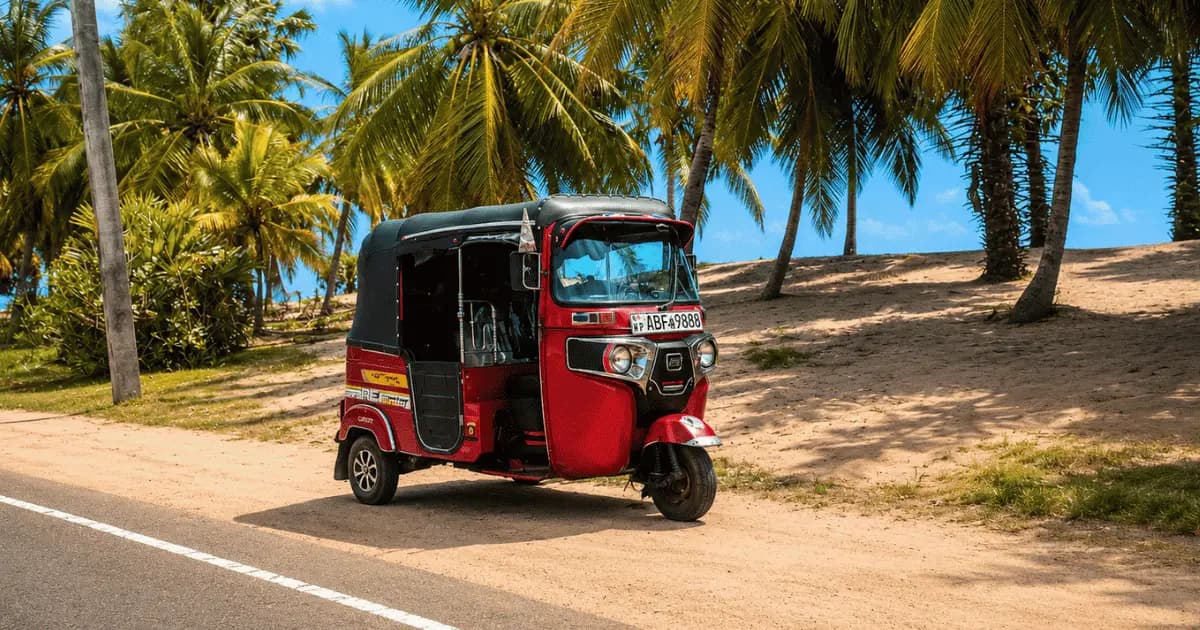
Sri Lanka's east coast looks nothing like the rest of the island — and this Pasikuda & Batticaloa travel guide covers what makes the difference.
After the forests, reservoirs, and remote wilderness of Gal Oya National Park, the landscape gradually opens into flatter coastal plains. Lagoons appear beside the highway, dry eastern winds replace the cooler air of the interior, and palm trees sway above fishing villages facing the Indian Ocean.
Arriving here feels entirely different from arriving anywhere along the southern beaches. The atmosphere is quieter and noticeably less commercialized. The east coast still feels deeply connected to fishing communities, Tamil culture, lagoon life, and the rhythm of the ocean itself.
Long stretches of coastline remain calm even during peak season. Roads feel slower and easier for tuk tuk travel, beaches often sit nearly empty during mornings, and daily life still revolves more around fishing, farming, religion, and family traditions than tourism.
A Different Side of Sri Lanka
The east coast follows an entirely separate seasonal rhythm from the rest of the island.
While rain often lashes the south and west during the middle of the year, the east coast enters its driest and calmest season between May and September. The sea becomes clearer, rainfall decreases, and long sunny days create ideal conditions for swimming, snorkeling, and slow coastal travel.
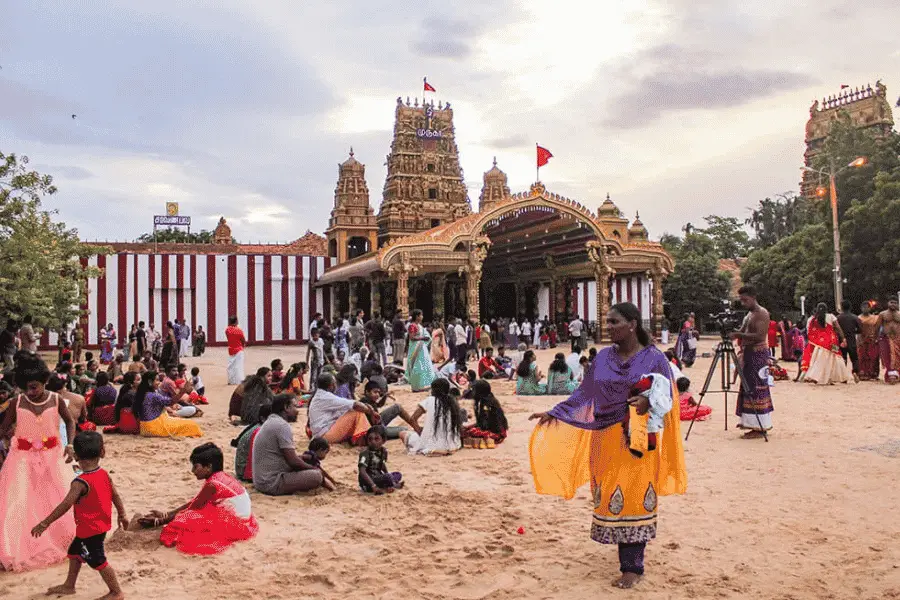
The coastline is also culturally distinct. Tamil and Muslim communities shape much of the region's identity through language, food, religion, architecture, and daily life. Hindu kovils stand beside mosques and churches while fishing villages and lagoon settlements continue traditions tied to the sea that have existed for generations.
Unlike the heavily urbanized western coast, the east still feels spacious. Lagoons stretch for kilometres beside the roads while mangroves, cattle, coconut groves, and fishing boats define much of the landscape. For tuk tuk travelers especially, this side of Sri Lanka often feels calmer, more open, and deeply connected to local life.
Pasikuda — Sri Lanka's Calmest Tropical Waters
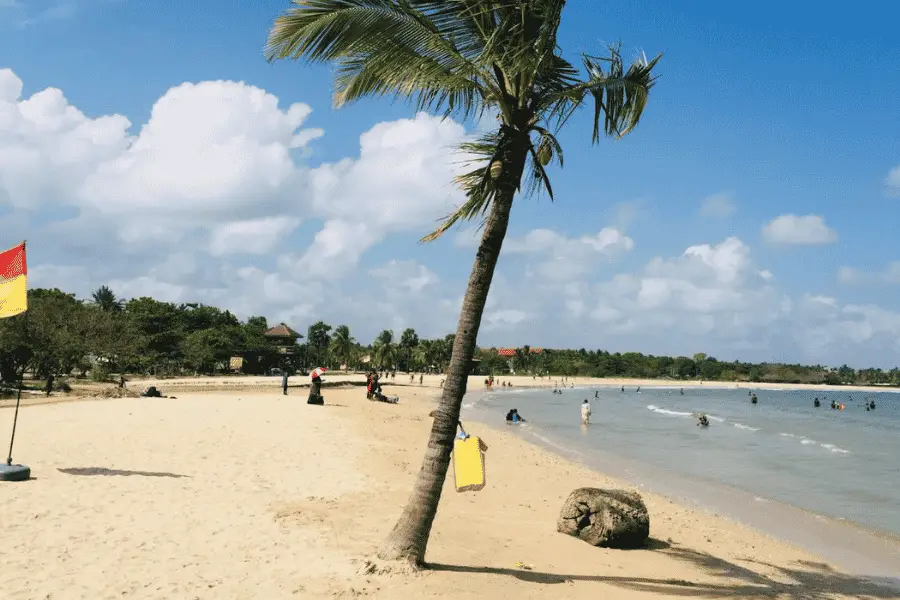
Among all of Sri Lanka's beaches, Pasikuda is famous for one defining feature — the sea itself.
Unlike many coastlines around the island, the water here remains shallow for an unusually long distance from shore. You can walk far into the ocean while the water still sits only around waist height, creating one of the gentlest swimming environments anywhere in Sri Lanka.
The reef-protected bay keeps the ocean calm and clear during the dry season, giving Pasikuda an atmosphere that feels slow and restful rather than energetic. Mornings are especially memorable. Before the heat intensifies, fishermen move quietly along the beach while sunrise gradually lights the pale turquoise water stretching across the bay.
Days here revolve around swimming, paddleboarding, snorkeling, and long afternoons beside the sea rather than nightlife or crowded beach cafés. Following the end of Sri Lanka's civil war, Pasikuda slowly developed into one of the island's quieter beach destinations. Boutique resorts and beachfront villas now line parts of the bay, yet the region still feels far less commercialized than many tropical beach destinations elsewhere in Asia.
Things To Experience in Pasikuda
- Walk far into the shallow waters during sunrise
- Paddleboard across the calm reef-protected bay
- Watch fishermen launching boats before dawn
- Spend long afternoons swimming in the warm Indian Ocean
- Stay at a beachfront resort overlooking the eastern coastline
- Cycle between quiet coastal villages surrounding the bay
Batticaloa — Lagoons, Bridges & Tamil Coastal Culture
Further south lies Batticaloa, one of the most culturally distinctive cities anywhere in Sri Lanka.
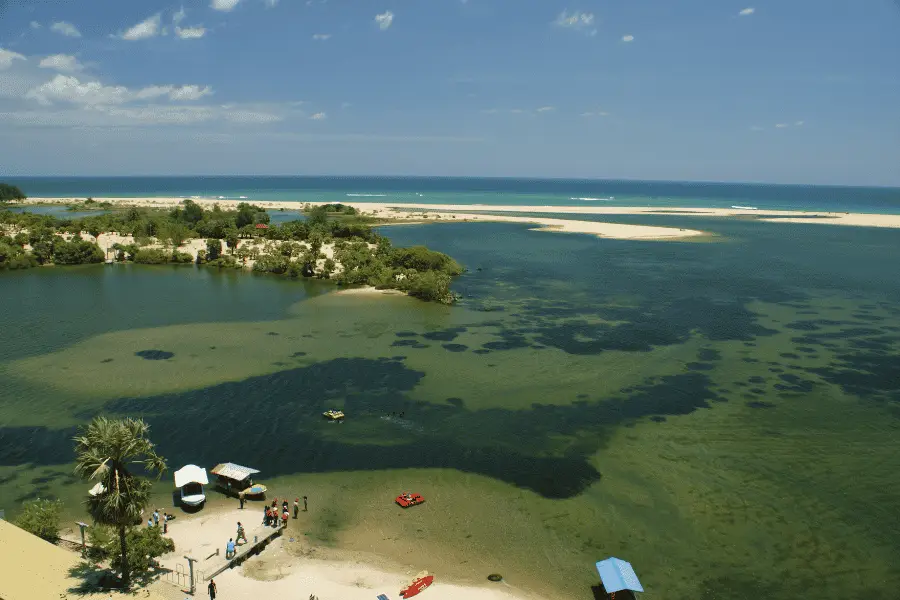
Often called the "Land of the Singing Fish," Batticaloa feels entirely shaped by water. The city stretches between enormous lagoons and the Indian Ocean, connected by bridges, waterways, mangrove-lined shores, and fishing villages that have defined life here for centuries.
Compared to Colombo or the southern beach towns, Batticaloa feels flatter, slower, and deeply connected to Tamil coastal culture. Fishing boats drift across the lagoons at sunrise while seafood markets begin filling with the morning catch beside the water. The smell of dried fish mixes with sea breeze near the harbor while prayer calls echo across the lagoon from mosques standing beside Hindu temples and Catholic churches.
Rather than one single attraction, it is the atmosphere of Batticaloa itself that becomes memorable. There is a softness to life here that many travelers find deeply calming.
Batticaloa Fort — Colonial History Beside the Lagoon
Standing quietly beside the lagoon is Batticaloa Fort, originally built by the Portuguese during the 17th century before later being expanded by the Dutch.
Compared to the busy colonial streets of Galle, Batticaloa Fort feels quieter, weathered, and far less commercialized. The old stone walls overlook calm lagoon waters where fishing boats continue moving slowly through the channels exactly as they have for generations.
Walking through the fort reveals traces of colonial churches, administrative buildings, defensive walls, and maritime history connected to centuries of trade along Sri Lanka's eastern coastline. During sunset, the lagoon begins reflecting the changing colors of the sky while warm eastern winds move across the water.
The Mystery of Batticaloa's Singing Fish
One of the most unusual legends connected to Sri Lanka's east coast is the mystery of Batticaloa's "Singing Fish."
For generations, locals have described strange musical sounds rising from the lagoon during certain nights of the year. Colonial-era accounts even describe British officials attempting to investigate the phenomenon. Some believe the sounds come from marine life capable of producing underwater vibrations. Others see it as folklore tied to the identity of the lagoon itself.
The story remains woven deeply into Batticaloa's cultural identity and adds another layer of mystery to the eastern coastline.
Lagoons, Fishing Villages & East Coast Roads
One of the defining features of Sri Lanka's east coast is its connection to lagoons and waterways.
Unlike the dramatic surf beaches and rocky southern coastline, the east feels softer and more closely tied to fishing communities and water-based village life. Driving here often feels peaceful and almost meditative.
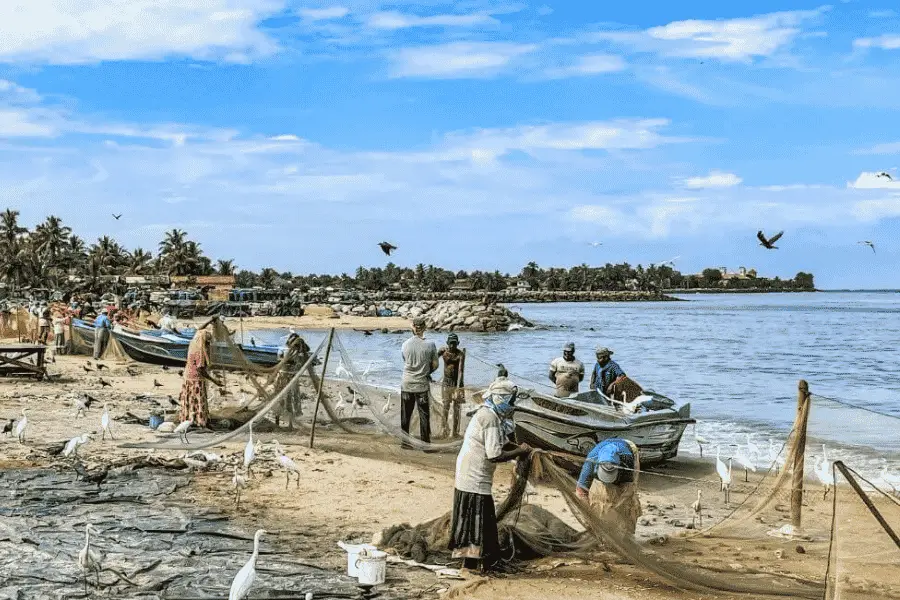
Lagoons stretch beside the road for long distances while fishermen untangle nets near wooden boats and cattle wander slowly beneath the afternoon heat. Mangroves, coconut plantations, seafood stalls, and quiet villages create a rhythm of life that feels deeply connected to nature rather than tourism.
For tuk tuk travelers, this becomes one of the easiest and most enjoyable regions in Sri Lanka to drive through. The roads are flatter and less congested than the hill country or southern coast, allowing the journey itself to become part of the experience. Sometimes the best moments happen unexpectedly — stopping beside a lagoon glowing orange at sunset, drinking king coconut beside the road, or watching fishermen return beneath flocks of seabirds moving across the evening sky.
Tamil Cuisine & East Coast Seafood
Food along Sri Lanka's east coast reflects the region's strong Tamil and Muslim cultural influences.
The flavors often feel deeper and spicier than southern Sri Lankan cuisine, with cooking styles closely connected to lagoon seafood and fishing culture. Fresh crab, prawns, lagoon fish, cuttlefish, and dried seafood appear everywhere from roadside eateries to family-run restaurants overlooking the water.
Many travelers discover that some of their best meals in Sri Lanka come not from hotels, but from small local restaurants serving spicy seafood curry, Tamil rice dishes, hot rotis, fried fish, and strong milk tea beside quiet coastal roads.
Religion & Culture Along the Eastern Coast
One of the most distinctive aspects of Sri Lanka's east coast is its religious diversity.
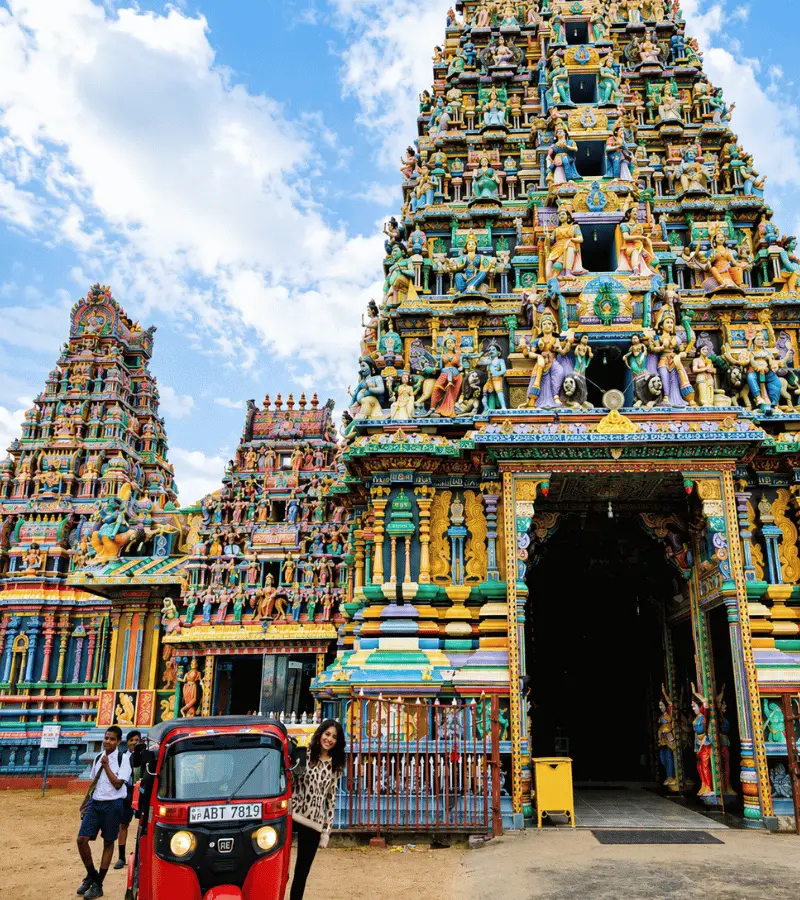
Traveling through the region, you regularly pass Hindu kovils, mosques, Catholic churches, and Buddhist temples — often standing side by side within the same towns and villages. Temple festivals, mosque calls to prayer, church celebrations, and Hindu ceremonies all become part of everyday life along the coast.
This mixture of religion and culture gives the east a very different atmosphere compared to many other regions of Sri Lanka and reflects centuries of trade, migration, and community life tied to the Indian Ocean.
Things To Experience Along Sri Lanka's East Coast
- Walk through the shallow turquoise waters of Pasikuda at sunrise
- Explore lagoon bridges and seafood markets in Batticaloa
- Visit Batticaloa Fort during sunset
- Watch fishermen untangle nets beside eastern lagoons
- Taste spicy Tamil seafood curries from local family-run restaurants
- Photograph palm-lined coastal roads stretching beside the ocean
- Drive slowly between fishing villages and mangrove lagoons by tuk tuk
- Listen for the legendary "Singing Fish" near Batticaloa Lagoon
- Stop at roadside fruit stalls selling king coconut and pineapple
- Experience Hindu kovils and mosque calls to prayer beside the coast
Driving the East Coast by Tuk Tuk
The east coast is one of the most straightforward regions in Sri Lanka for self-drive tuk tuk travel. Roads are flatter, traffic is lighter, and distances between towns are manageable. If you are planning to cover the east coast in a single day from Negombo, a tuk tuk is not the right choice — the journey takes 7–8 hours. Plan for at least two days on the east coast. For permits, what is included, and route planning, see the full tuk tuk rental guide.
Important Driving Notes
- Tuk tuks are not permitted on Sri Lankan expressways
- East coast roads are generally flatter and easier than the hill country
- Fuel stations become less frequent in quieter coastal areas — fill up before leaving Batticaloa
- Dry-season heat can become intense during midday travel — carry water
- Cattle and wildlife are common near lagoon roads at night
Where To Head Next
From Pasikuda and Batticaloa, several routes open naturally:
- North toward Trincomalee and Nilaveli — blue water, whale shark diving, and the Tamil cultural landscapes leading toward Jaffna
- South toward Arugam Bay — one of Sri Lanka's most famous surf destinations and the gateway to Yala safari country
- Inland toward the Cultural Triangle — the UNESCO heritage cities of Polonnaruwa and Sigiriya lie within a few hours from the east coast
For many travelers, however, Sri Lanka's east coast becomes unforgettable precisely because it feels quieter than the rest of the island — a coastline where lagoons, Tamil culture, fishing villages, seafood markets, and warm Indian Ocean winds still shape everyday life beside the sea.
Frequently Asked Questions — Pasikuda & Batticaloa Travel Guide
What is Pasikuda beach famous for?
Pasikuda is famous for its unusually shallow reef-protected bay. The water remains at waist height for a long distance from shore, creating one of the calmest swimming environments in Sri Lanka. The beach is best visited between May and September during the east coast dry season.
What is the best time to visit Pasikuda and Batticaloa?
The best time to visit the east coast is between May and September when the region enters its dry season. During these months the sea at Pasikuda becomes calm and clear, rainfall decreases, and roads are at their most pleasant for tuk tuk travel. The south and west coasts experience heavy monsoon rain during the same period.
How far is Pasikuda from Negombo by tuk tuk?
Pasikuda is approximately 260–280 km from Negombo. By tuk tuk the drive takes around 7–8 hours depending on route and stops. Most travelers break the journey near Dambulla or Polonnaruwa before reaching the east coast. The route passes through Sri Lanka's Cultural Triangle, making it a natural multi-day drive.
What is Batticaloa known for?
Batticaloa is known for its enormous lagoon system, Tamil coastal culture, Batticaloa Fort originally built by the Portuguese in the 17th century, and the local legend of the "Singing Fish" — mysterious musical sounds reported to rise from the lagoon on certain nights. The city feels shaped by water, bridges, fishing communities, and a deep connection to the Indian Ocean.
Can you drive a tuk tuk along Sri Lanka's east coast?
Yes. The east coast is one of the most tuk tuk-friendly regions in Sri Lanka. Roads are flatter than the hill country, traffic is lighter than the south coast, and distances between towns are manageable. Tuk tuks are not permitted on expressways. See the full guide on renting a tuk tuk in Sri Lanka for route planning details.