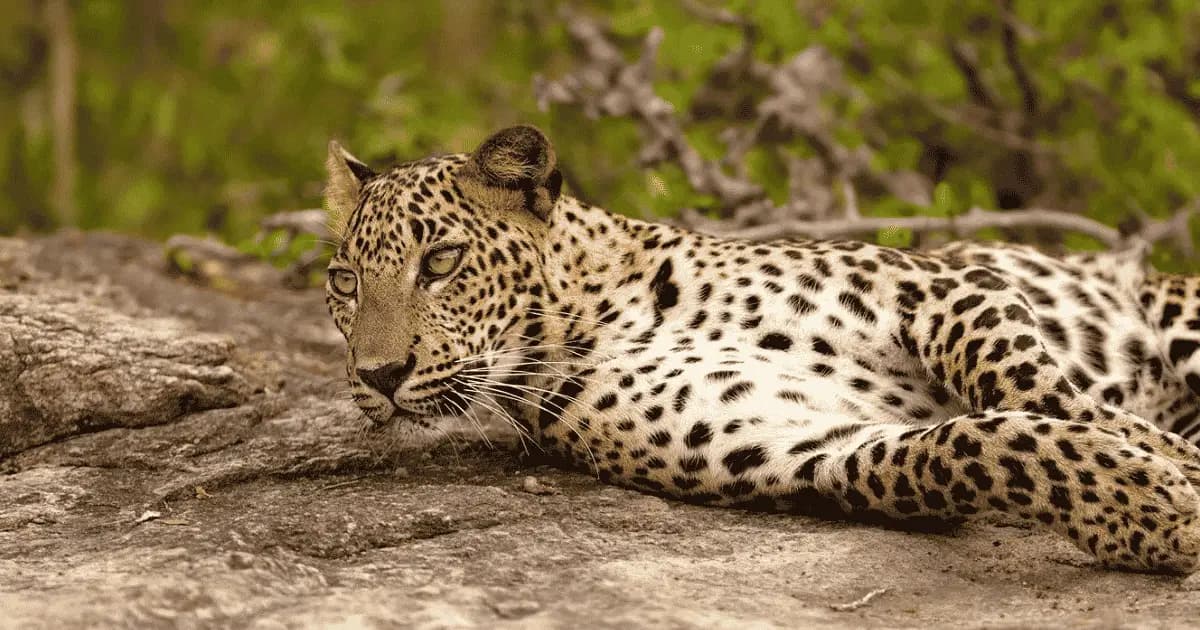
Heading north from Negombo along Sri Lanka's northwestern coastline, the island begins revealing a quieter side of itself. This Wilpattu and Kalpitiya travel guide covers a region where fishing villages, coconut plantations, lagoons, and long empty stretches of coastal road gradually replace the energy of the south.
Compared to Sri Lanka's southern beaches, the northwest feels calmer, slower, and deeply connected to the rhythm of the sea. This is a journey shaped not by crowds or nightlife, but by wilderness, fishing culture, hidden coastlines, seafood kitchens, colonial history, and landscapes that still feel wonderfully untouched.
Passing through Chilaw, the atmosphere changes almost immediately. Fishing boats rest beside quiet lagoons, roadside seafood stalls begin appearing beneath coconut trees, and Catholic churches rise gently above small village communities that have lived beside these waters for generations. Further north, dense dry-zone forests slowly replace busy towns while enormous skies stretch across wetlands, mangroves, and remote coastal plains.
Somewhere beyond the forests lies Wilpattu National Park, Sri Lanka's last great wilderness. Beyond the lagoons waits Kalpitiya, where ocean winds, dolphins, kite surfers, and empty beaches create one of the island's most peaceful coastal escapes.
Chilaw — Fishing Villages, Sacred Temples & Coastal Life
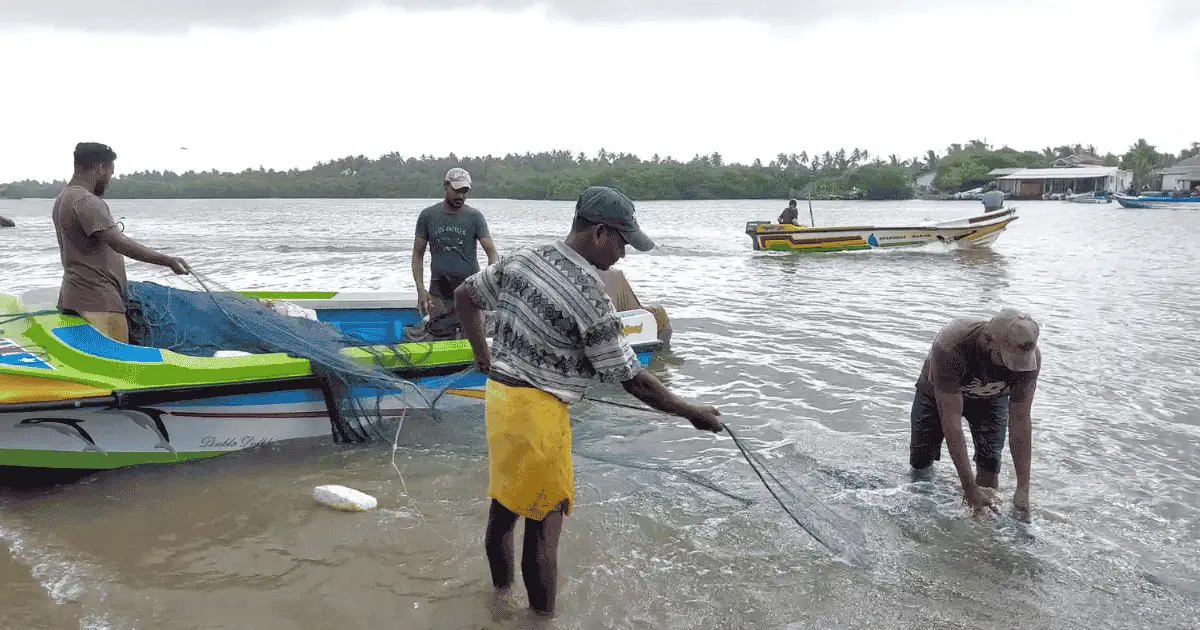
Before reaching the wilderness of Wilpattu or the lagoons of Kalpitiya, most travelers pass through Chilaw, one of the northwestern coast's oldest and most culturally layered towns. For centuries, Chilaw developed as a fishing and trading settlement closely tied to Sri Lanka's maritime history and the Catholic communities established during Portuguese colonial rule.
Early mornings in Chilaw feel especially atmospheric. Fishing boats drift slowly back toward the lagoons while seafood markets begin filling with crab, prawns, tuna, lagoon fish, and cuttlefish brought directly from the coast. Fishermen repair nets beneath coconut trees while nearby roadside kitchens prepare spicy seafood curries using recipes passed down through generations. Compared to Sri Lanka's busier coastal towns, Chilaw still feels deeply local and wonderfully authentic.
One of the region's most important landmarks is Munneswaram Temple, one of Sri Lanka's oldest Hindu temple complexes believed to date back more than a thousand years. Incense drifts through ancient stone courtyards while bells, oil lamps, and traditional rituals create an atmosphere filled with history and spirituality. Further north along the coast lies St. Anne's Church in Talawila, one of the country's most important Catholic pilgrimage sites, set beside windswept beaches and quiet fishing villages.
Things To Do in Chilaw
- Visit Munneswaram Temple — one of Sri Lanka's oldest and most sacred Hindu pilgrimage sites.
- Explore St. Anne's Church in Talawila, surrounded by quiet coastline and fishing communities.
- Walk through Chilaw's morning seafood markets as fishermen unload the daily catch from the lagoons and ocean.
- Taste lagoon crab curry, grilled prawns, spicy cuttlefish, and traditional Sri Lankan seafood dishes in small roadside restaurants.
- Drive through coconut plantations, fishing villages, and peaceful coastal roads far removed from Sri Lanka's busier tourist regions.
Wilpattu National Park — Sri Lanka's Last Great Wilderness
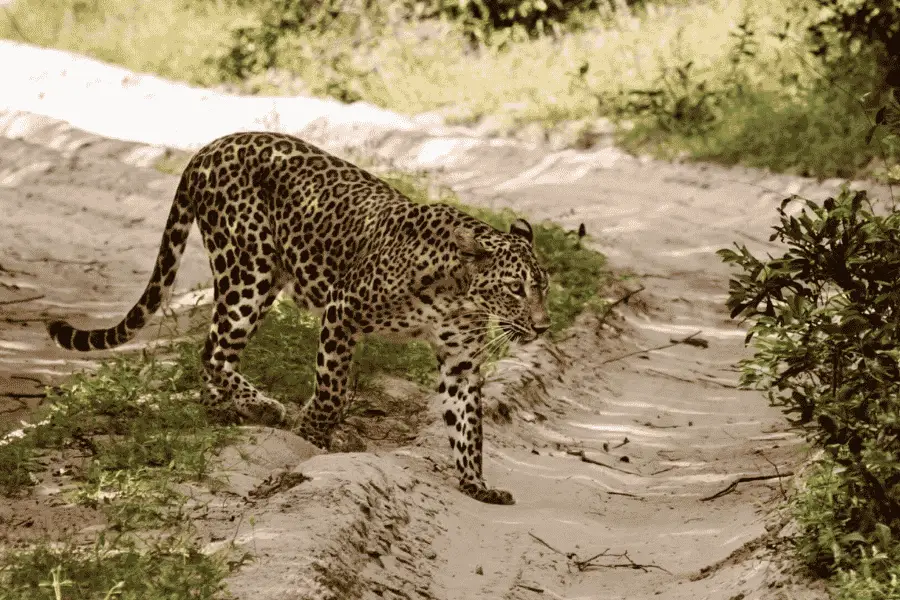
At the heart of Sri Lanka's northwestern wilderness lies Wilpattu National Park, the country's largest and one of its oldest national parks. Unlike the open grasslands associated with safari destinations such as Yala, Wilpattu feels denser, quieter, and far more mysterious. The roads disappear beneath thick jungle canopies while the landscape shifts constantly between scrub forest, hidden lakes, wetlands, and dry wilderness.
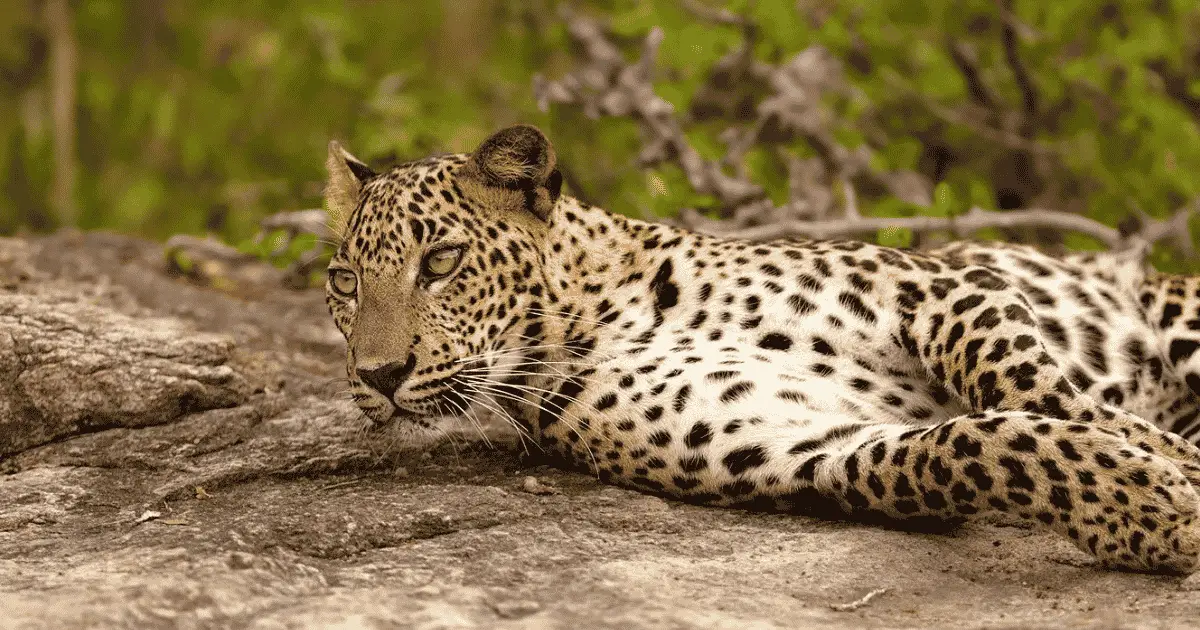
The park takes its name from the natural shallow lakes known locally as "villus," scattered throughout the forest and forming the heart of the ecosystem itself. Driving through Wilpattu feels less like visiting a safari park and more like entering untouched wilderness — wildlife sightings happen suddenly and without warning. A leopard may emerge silently from dense forest while elephants appear beside hidden waterholes deep within the trees.
Wilpattu is internationally famous for its Sri Lankan leopard population, and many wildlife travelers consider it one of the best places in the country to experience leopards in a quieter and less commercialized environment. The park also supports:
- sloth bears and elephants
- jackals, sambur, and wild boar
- crocodiles and monitor lizards
- mongooses, reptiles, and an extraordinary variety of birdlife around the villus lakes
What makes Wilpattu especially memorable is its silence. Large sections of the park feel completely untouched, with long stretches of forest where travelers may not encounter another vehicle for hours. The sounds of birds, wind through the trees, and distant animal movement replace the noise and crowds often associated with more commercial safari destinations.
Things To Do in Wilpattu
- Go on early morning or evening jeep safaris through Sri Lanka's largest national park in search of leopards, elephants, sloth bears, crocodiles, and deer.
- Experience Wilpattu's wildlife biodiversity, supported by forests, wetlands, and natural "villus" lakes that attract countless bird species.
- Stay in a safari camp or tented camp near the forest for an immersive wilderness experience surrounded by jungle sounds and star-filled skies.
- Watch for pelicans, painted storks, kingfishers, owls, eagles, and migratory birds around the wetlands and villus lakes.
- Explore quiet jungle landscapes and hidden lakes while experiencing one of Sri Lanka's more peaceful safari environments.
Driving Toward Kalpitiya — Lagoons, Salt Flats & Ocean Roads
Leaving Wilpattu and continuing north, the forests slowly begin to open. The landscape changes into flat coastal plains filled with lagoons, mangroves, salt pans, fishing villages, and quiet roads stretching beside the Indian Ocean. Compared to Sri Lanka's southern beaches, the northwestern coastline feels remarkably undeveloped.
For tuk tuk travelers especially, this drive becomes part of the experience itself. The roads are quieter, flatter, and far less congested than the island's mountain regions or southern coastline. Fishing boats rest beside shallow lagoons while fish dry beneath the sun outside small village homes. Catholic churches stand quietly among palm trees while ocean winds move constantly across the coastline.
Along the way, travelers often stop beside roadside coconut stalls, fishing harbors, mangrove lagoons, and hidden beaches glowing beneath the evening light. Here, the unexpected roadside moments often become the most memorable part of the journey.
Kalpitiya — Dolphins, Kite Surfing & Sri Lanka's Quiet Coastal Paradise
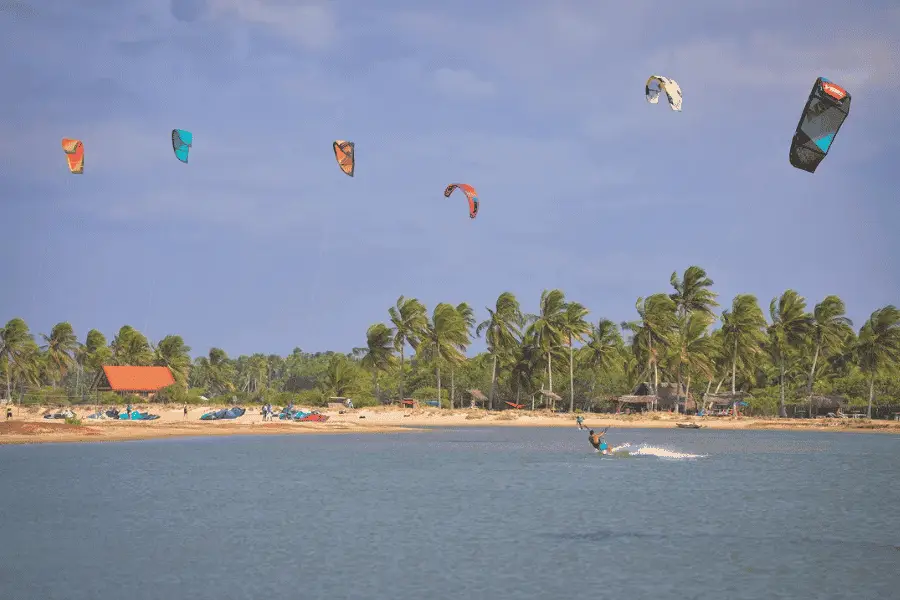
Kalpitiya feels completely different from Sri Lanka's busier beach towns. There are no large crowds, noisy nightlife streets, or endless rows of cafés here. Instead, Kalpitiya feels peaceful, remote, and deeply connected to lagoons, fishing culture, ocean winds, and untouched coastal landscapes.
The region stretches across a narrow peninsula surrounded by the Indian Ocean on one side and enormous lagoons and mangroves on the other. This geography creates one of Sri Lanka's most diverse coastal ecosystems and gives Kalpitiya a character unlike anywhere else on the island.
One of the biggest reasons travelers visit Kalpitiya is for kite surfing. The shallow lagoons surrounding the peninsula have become internationally famous for their strong seasonal winds and calm flat-water conditions ideal for both beginners and experienced riders. During the main season from May to October, colorful kites fill the skies above the lagoons while riders glide silently across the water beneath enormous open sunsets.
Beyond the lagoons, Kalpitiya is also one of the best places in Sri Lanka for dolphin watching. Early morning boat tours into the Indian Ocean frequently encounter enormous pods of spinner dolphins moving through the open sea during sunrise. Depending on the season, travelers may also encounter whales, sea turtles, flying fish, and seabirds. Many beaches along the peninsula remain almost completely undeveloped, creating a sense of isolation and quiet that has become increasingly rare across tropical destinations.
Things To Do in Kalpitiya
- Go kite surfing across Kalpitiya's shallow lagoons during the windy season from May to October.
- Join dolphin watching tours into the Indian Ocean during sunrise.
- Explore mangrove forests and lagoons by kayak or small boat.
- Relax on long empty beaches facing the Indian Ocean.
- Visit Kalpitiya Dutch Fort and discover the region's colonial maritime history.
- Enjoy lagoon crab, grilled prawns, fresh tuna, and seafood barbecues beside the water.
- Watch sunsets over the lagoons while colorful kites move across the evening sky.
Where To Head Next
Travelers interested in ancient kingdoms and cultural history can continue inland toward Anuradhapura, Sigiriya, and Polonnaruwa, where ancient temples, reservoirs, and ruined kingdoms begin replacing the coastal scenery.
Those wanting to continue north can follow quieter roads toward Mannar and eventually Jaffna, entering Sri Lanka's Tamil heartland filled with Hindu temples, palmyra landscapes, northern cuisine, and a completely different cultural atmosphere. Travelers looking to return inland can head toward Kandy and the hill country, where the dry coastal plains slowly give way to cooler mountain air, tea plantations, waterfalls, and winding mountain roads.
Why Travelers Remember Wilpattu & Kalpitiya
For many tuk tuk travelers, this northwestern stretch of Sri Lanka becomes one of the most unexpected highlights of the entire island journey. The leopard glimpsed through dense forest at Wilpattu, the morning light across Kalpitiya's lagoons, the silence of the coastal roads between fishing villages — those are the things that stay with people long after leaving.
Frequently Asked Questions — Wilpattu & Kalpitiya Travel Guide
How far is Wilpattu National Park from Negombo?
Wilpattu National Park is approximately 100–120 km from Negombo. By tuk tuk the drive takes around 2.5–3.5 hours depending on the route and traffic. The main park entrance is accessible from the Puttalam road via Nochchiyagama or from the south via Marawila and Chilaw.
What is the best time to visit Wilpattu National Park?
Wilpattu can be visited year-round, but the dry season between February and October generally offers better wildlife sightings and more accessible roads. During the wet season from November to January, some roads inside the park may become difficult to navigate, and the park occasionally closes temporarily.
What wildlife can you see in Wilpattu?
Wilpattu is most famous for Sri Lankan leopards, which are frequently seen throughout the year. The park also supports sloth bears, elephants, crocodiles, spotted deer, sambur, jackals, wild boar, and hundreds of bird species including painted storks, pelicans, eagles, kingfishers, and owls around the villus lakes.
When is kite surfing season in Kalpitiya?
The main kite surfing season in Kalpitiya runs from May to October when the southwestern monsoon creates strong and consistent winds over the lagoons. A secondary season runs from December to March. The flat, shallow lagoons make Kalpitiya suitable for both beginners and experienced riders.
Can you see dolphins at Kalpitiya?
Yes. Kalpitiya is one of Sri Lanka's best destinations for dolphin watching. Large pods of spinner dolphins are frequently encountered during early morning boat tours into the Indian Ocean. Depending on the season, whale sightings and sea turtle encounters are also possible in the waters around the peninsula.