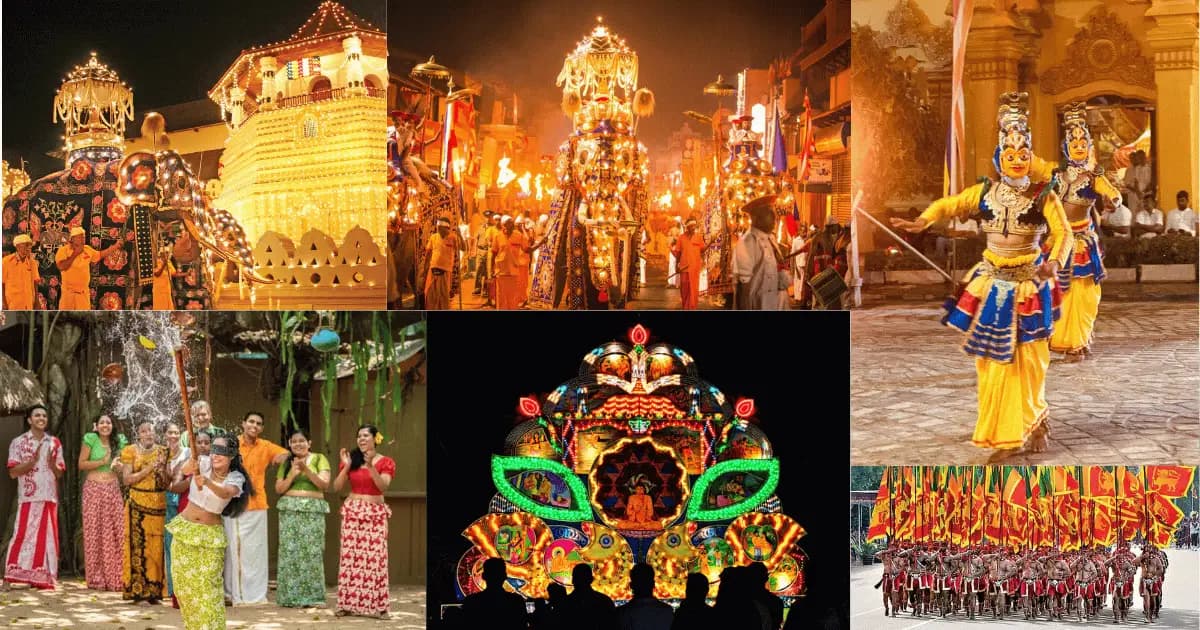
Sri Lanka festivals span the entire calendar year. Buddhist processions, Hindu celebrations, sacred pilgrimages, and seasonal traditions take place every month — not just during the obvious tourist season.
Despite its small size, Sri Lanka is home to Buddhist, Hindu, Muslim, and Christian communities, each with their own calendar of observances. More than 70% of the population identifies as Buddhist, so many of the island's largest festivals follow the Buddhist lunar calendar. Hindu, Christian, and Muslim celebrations are observed nationwide alongside them, reflecting a multicultural identity that makes Sri Lanka's cultural calendar unlike anywhere else in South Asia.
From ancient temple processions in Kandy and sacred pilgrimage festivals in the deep south to New Year traditions celebrated in every village across the island, there is always something happening. This guide covers the major Sri Lanka festivals month by month.
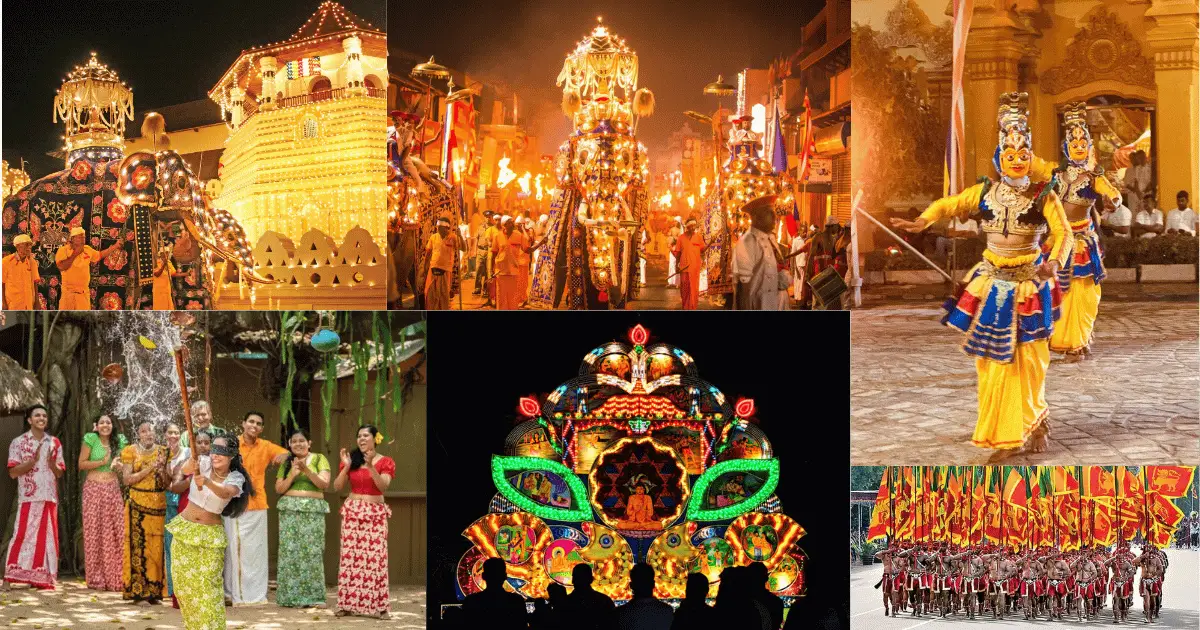
January — Duruthu Poya Festival
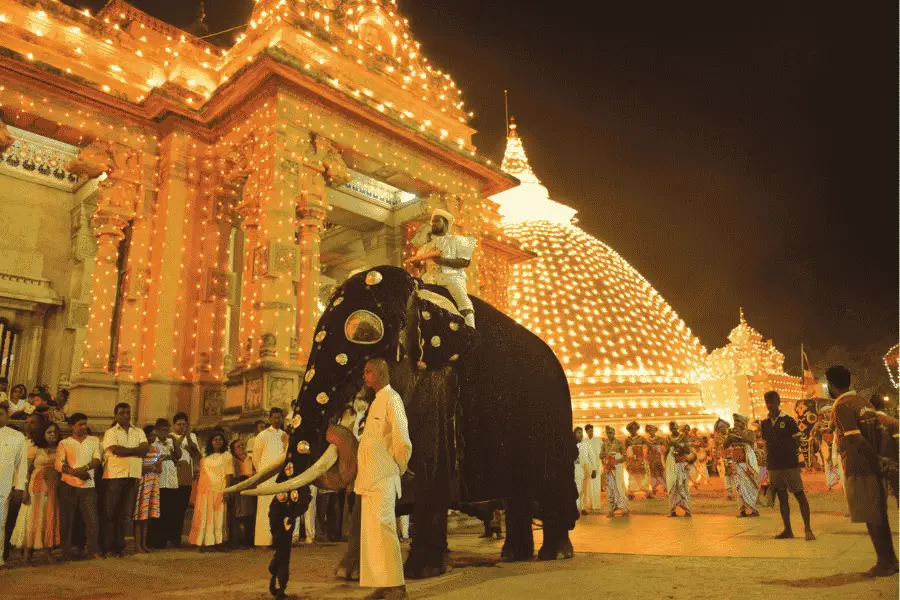
Duruthu Poya commemorates the first recorded visit of the Buddha to Sri Lanka more than 2,500 years ago. According to historical chronicles, the Buddha visited the island to bring peace between rival tribes, making this event deeply important in Sri Lankan Buddhist history.
The most famous celebrations take place at Kelaniya Raja Maha Vihara near Colombo, one of Sri Lanka's most sacred Buddhist temples. The Duruthu Perahera transforms the surrounding streets into a cultural procession over several nights, featuring Kandyan dancers, whip crackers, fire performers, drummers, and elaborately decorated elephants.
January is also one of the best months to be on Sri Lanka's southwest coast. Dry conditions along the western seaboard make it straightforward to combine the festival with visits to Colombo's colonial landmarks, markets, and nearby coastal towns.
Poya days occur during every full moon and are national public holidays. Alcohol sales are restricted and entertainment venues close, giving travellers direct insight into how local Buddhist communities observe these days.
- Kelaniya Raja Maha Vihara is believed to be one of the three sites visited by the Buddha during his legendary visits to Sri Lanka
- Traditional perahera elephants are dressed in elaborate handcrafted costumes illuminated with decorative lights
- January marks the peak travel season for Sri Lanka's southwest coast due to favorable weather conditions
February — Independence Day & Navam Perahera
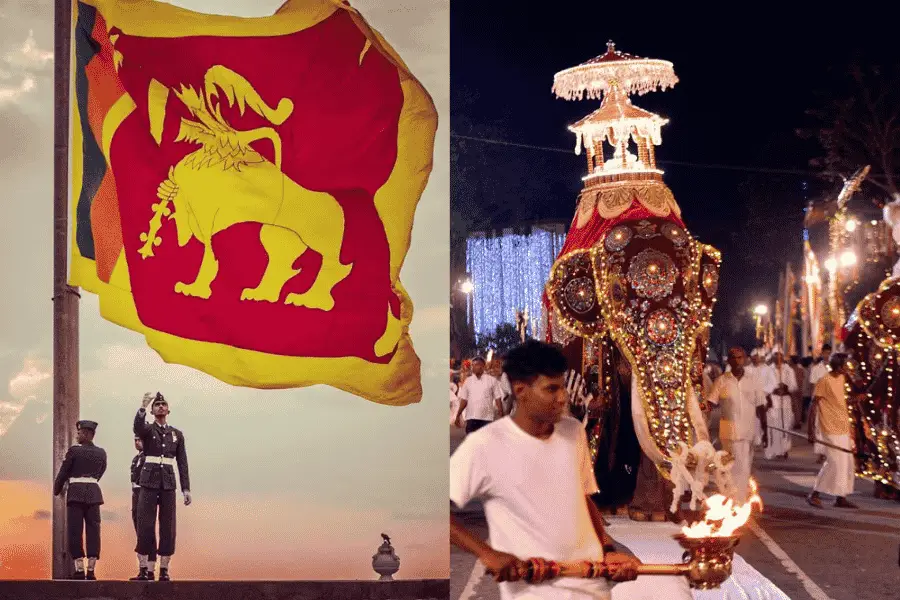
Sri Lanka celebrates National Independence Day on February 4th, marking independence from British rule in 1948. Official celebrations are held in Colombo and include military parades, traditional cultural performances, flag ceremonies, and public events across the country.
February also features the Navam Maha Perahera organized by Gangaramaya Temple — one of Colombo's most significant Buddhist temples. The festival includes large-scale processions with traditional dancers, drummers, elephants, and religious displays that reflect Sri Lanka's cultural heritage.
Unlike the hill-country atmosphere of the Kandy Perahera, Colombo's Navam Perahera is an urban cultural experience — ancient Buddhist traditions set against a modern city backdrop.
- Gangaramaya Temple combines Sri Lankan, Thai, Indian, and Chinese architectural influences
- Independence Day celebrations include cultural performances representing all major ethnic communities in Sri Lanka
- February is one of the driest months on Sri Lanka's southern coastline, making it popular for beach holidays and whale watching
April — Sinhala & Tamil New Year
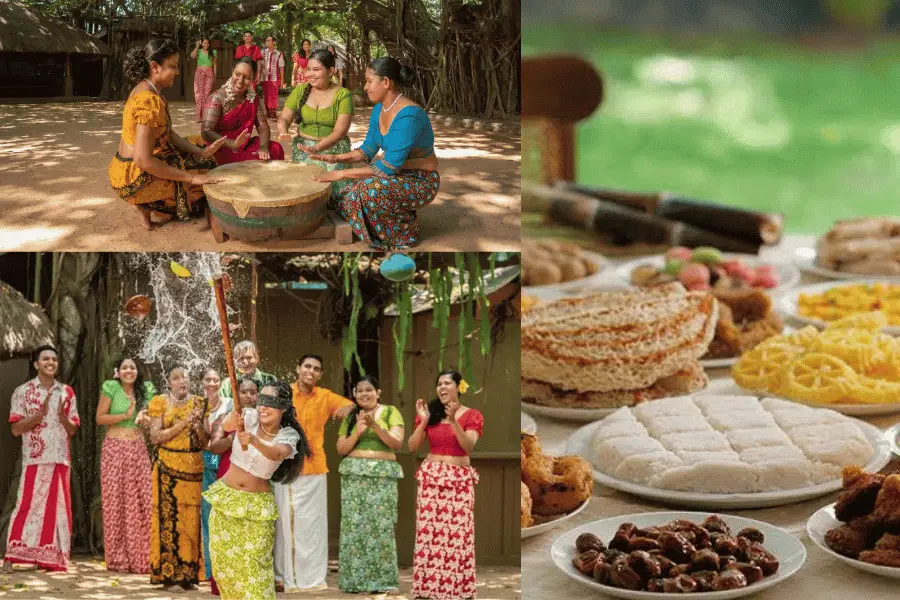
Celebrated in mid-April, the Sinhala and Tamil New Year marks the end of the harvest season and the beginning of the traditional solar new year. It is one of the most important cultural celebrations in Sri Lanka and is observed by both Sinhala Buddhists and Tamil Hindus.
Unlike Western New Year celebrations, Avurudu follows astrologically determined rituals and auspicious times. Families clean their homes, wear new clothes, prepare traditional foods, and participate in customs passed down for generations.
Traditional sweets — kavum, kokis, aluwa, mung kavum, and milk rice — are prepared in homes across the island. Villages organize Avurudu games including pillow fights, tug-of-war competitions, greased pole climbing, and sack races, creating a lively festive atmosphere that is genuinely difficult to witness at any other time of year.
One notable aspect of the celebration is the "neutral period" between the old and new year, during which families pause work and focus on religious activities and family gatherings. For travellers, April provides a rare window into authentic Sri Lankan village culture and hospitality.
- Milk rice (kiribath) is one of the most symbolic foods prepared during Avurudu celebrations
- Many businesses and cities slow down significantly during the New Year period as families travel back to their hometowns
- Traditional Avurudu games were historically organized to strengthen village relationships and community spirit
May — Vesak Festival
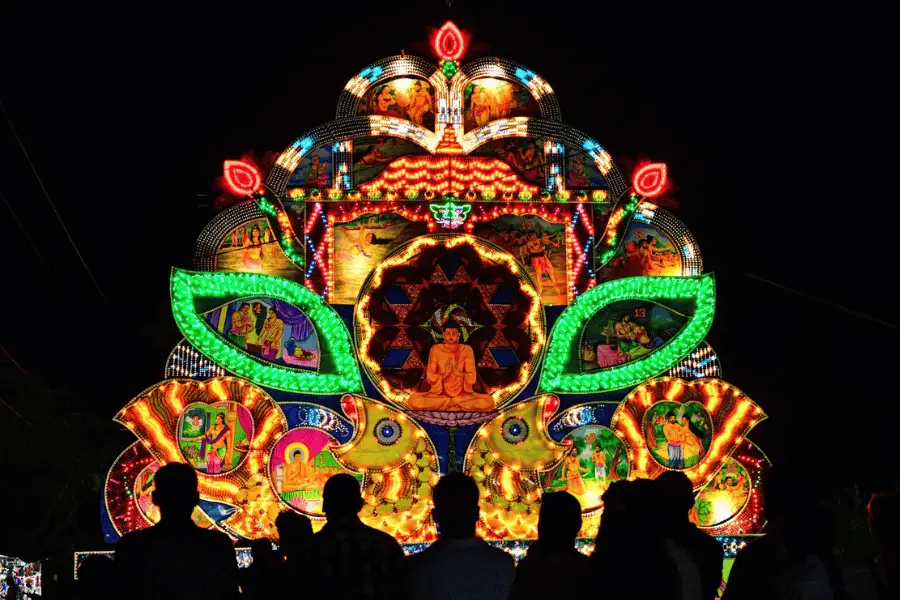
Vesak is Sri Lanka's most important Buddhist festival, commemorating the birth, enlightenment, and passing of the Buddha. The festival takes place during the full moon in May and transforms cities, towns, and villages across the island into illuminated celebrations of faith and generosity.
Homes, streets, and temples are decorated with colorful lanterns known as Vesak koodu and giant illuminated pandals called thoran that display scenes from Buddhist teachings. Colombo becomes the center of large-scale celebrations, especially around Gangaramaya Temple, Beira Lake, and major city streets.
One of the most distinctive traditions during Vesak is the dansal — free food stalls organized by local communities that offer meals, tea, sweets, and refreshments to anyone who passes by, regardless of religion or background. Smaller towns and villages create their own local celebrations with a more intimate atmosphere.
- Sri Lanka was one of the first countries to officially recognize Vesak as a national religious festival; the United Nations internationally recognized Vesak Day in 1999
- Vesak lantern competitions are held in many towns and neighborhoods across the island
- Colombo's Vesak celebrations attract visitors from across Asia due to their large-scale illuminated displays
July & August — Kandy Esala Perahera
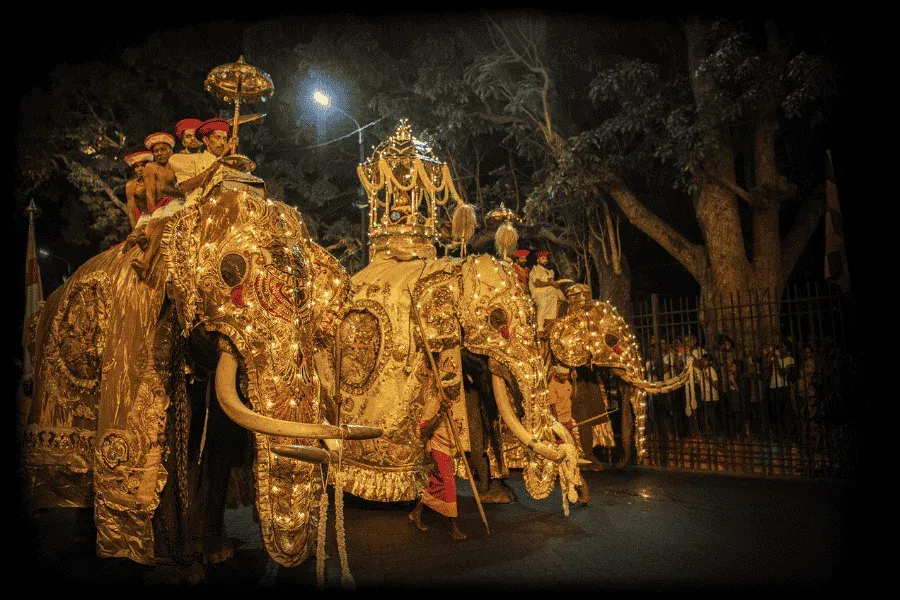
The Kandy Esala Perahera is one of the oldest and grandest Buddhist festivals in the world. Held in the UNESCO World Heritage city of Kandy, the festival honors the Sacred Tooth Relic of the Buddha preserved at the Temple of the Tooth.
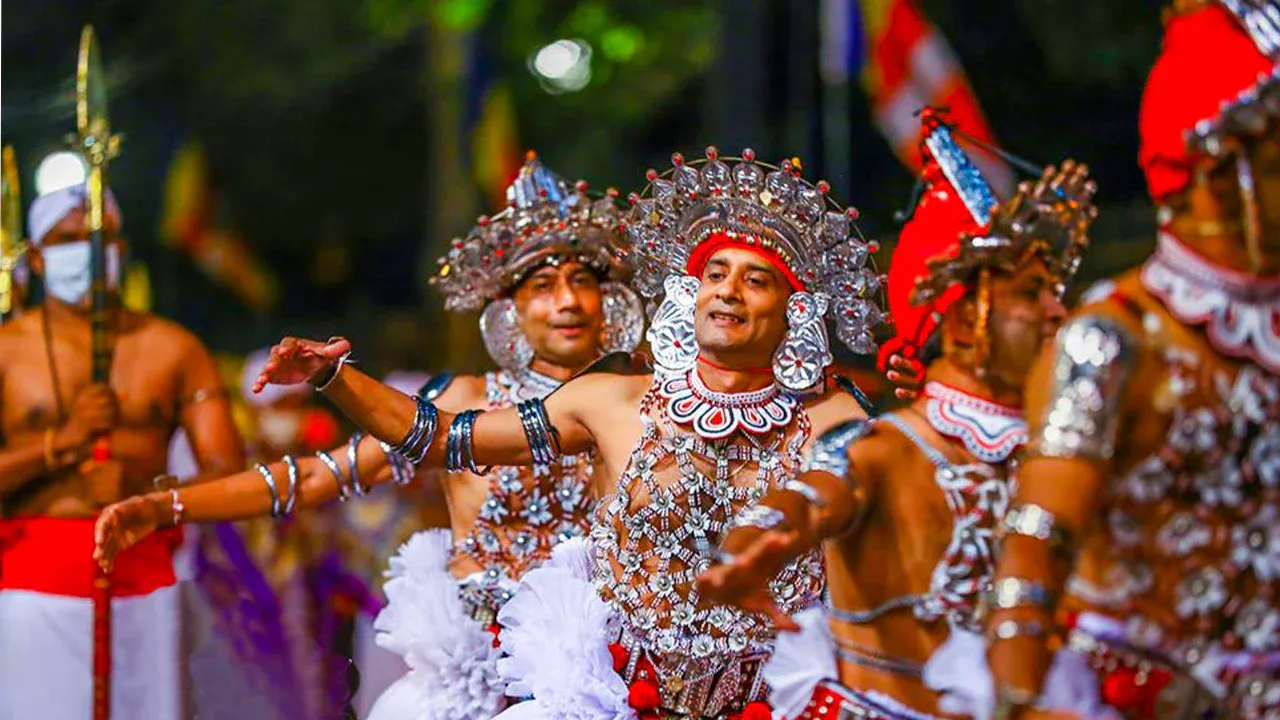
The procession takes place over multiple nights and gradually increases in scale. The final Randoli Perahera nights attract massive crowds from around the world. Participants include elaborately decorated tuskers, fire dancers, traditional Kandyan dancers, drummers, whip crackers, flag bearers, and cultural performers.
The atmosphere in Kandy during the festival is unlike any other time of year. Streets become crowded with pilgrims, visitors, photographers, and local families who gather for hours to witness the nightly processions.
Accommodation in Kandy books out months in advance during festival season. Early planning is essential — guesthouses and hotels within walking distance of the procession route fill first. Travellers visiting during this season often combine the festival with hill country experiences: tea plantation visits, scenic train rides, waterfalls, and cooler mountain weather.
- The origins of the Kandy Esala Perahera date back over 1,700 years
- The Sacred Tooth Relic is considered one of the most important Buddhist relics in the world
- Kandyan dance traditions performed during the Perahera originated from ancient royal court ceremonies
- Kandy is recognized as a UNESCO World Heritage City due to its cultural and historical significance
Read the complete Kandy Esala Perahera guide →
August & September — Kataragama Esala Festival
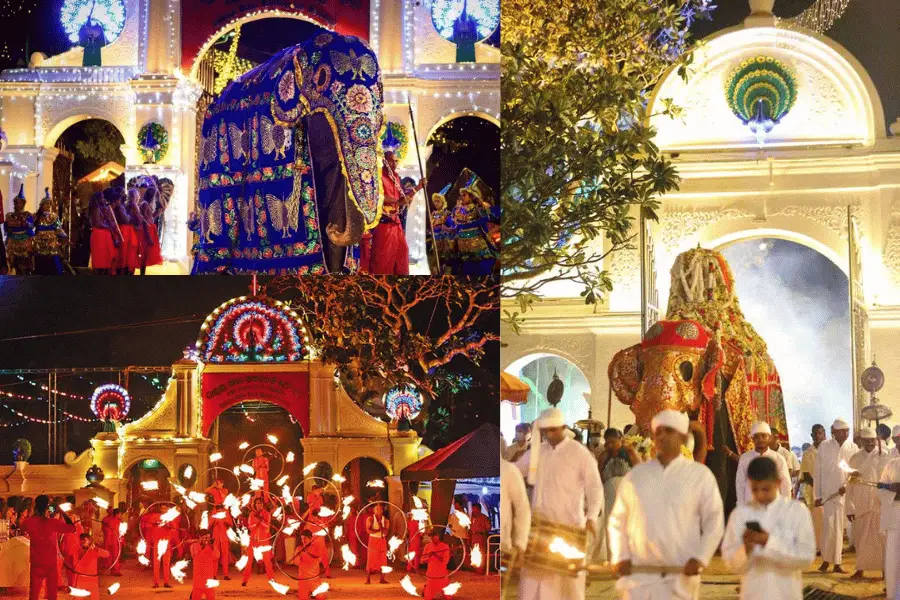
Held in Kataragama in southeastern Sri Lanka, this sacred festival attracts Buddhists, Hindus, Muslims, and indigenous Vedda communities from across the island. Kataragama is one of Sri Lanka's most spiritually significant pilgrimage destinations — sacred to multiple religions simultaneously, which is rare even by Sri Lankan standards.
The festival is known for devotional pilgrimages, colorful processions, spiritual rituals, and fire-walking ceremonies performed by devotees as acts of faith and fulfillment of vows. Many pilgrims travel long distances on foot to reach Kataragama during festival season, creating an atmosphere that combines deep spirituality with cultural celebration.
The nearby Yala National Park and Kumana National Park make this region attractive for travellers interested in combining wildlife safaris with cultural experiences.
- Kataragama is one of the few pilgrimage destinations in Sri Lanka where followers of different faiths worship together
- Some devotees undertake long barefoot pilgrimages to Kataragama as acts of spiritual devotion
- Fire-walking ceremonies are among the most visually striking rituals associated with the festival
October — Deepavali Festival
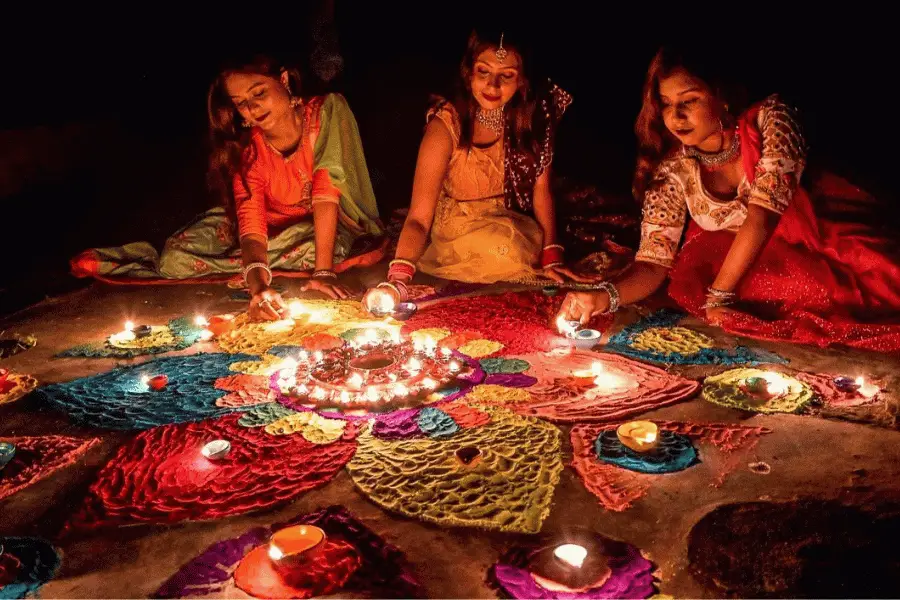
Deepavali, the Festival of Lights, is one of the most important Hindu celebrations in Sri Lanka. The festival marks the victory of light over darkness and good over evil.
Homes are decorated with rows of oil lamps, colorful kolam floor art designs, flowers, and festive decorations. Families gather for prayers, exchange sweets, wear traditional clothing, and visit kovils during the celebrations.
Major Deepavali celebrations can be experienced in Tamil communities across Colombo, Jaffna, Trincomalee, Batticaloa, Nuwara Eliya, and Ella. Hindu kovils become especially vibrant during this period, with traditional rituals and cultural practices open to respectful visitors.
October is also an excellent shoulder-season month for travellers seeking fewer crowds while still enjoying cultural experiences and scenic travel across multiple regions of the island.
- Deepavali celebrations are especially vibrant in northern and hill country regions with large Tamil communities
- Sweet dishes and festive meals are a central part of family gatherings during the festival
- Hindu kovils often host special ceremonies, prayers, and cultural performances during Deepavali season
December — Christmas & Year-End Celebrations
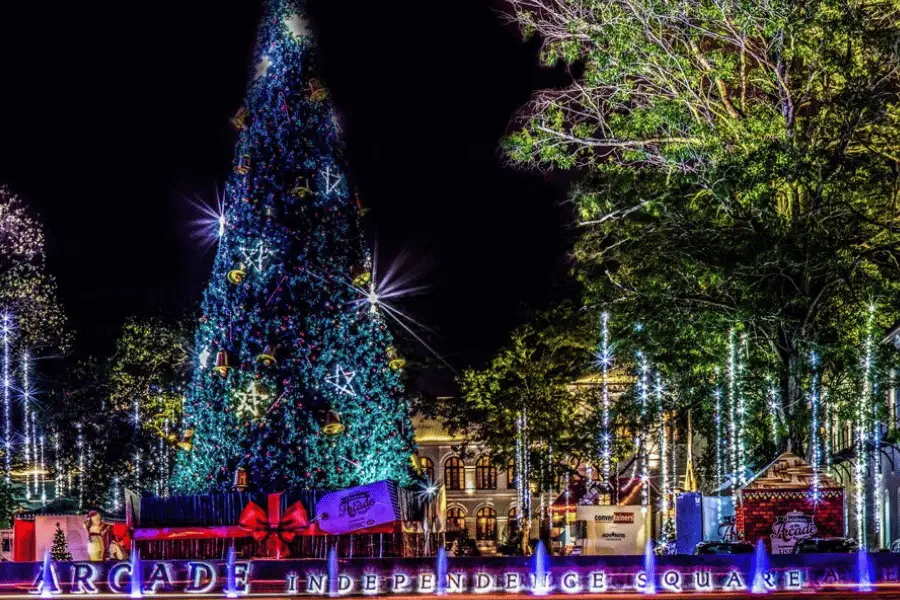
Sri Lanka celebrates Christmas and the holiday season with festive lights, beach parties, hotel events, and year-end celebrations across the island.
Colombo becomes especially lively during December, with shopping malls, hotels, restaurants, and public spaces decorated with Christmas trees, lights, and seasonal displays. Galle Face Green becomes a popular gathering spot for evening festivities and food vendors.
Beach destinations such as Mirissa, Unawatuna, Bentota, and Hikkaduwa host holiday events, live music, seafood dinners, and New Year celebrations that attract both locals and international visitors. Many resorts organize gala dinners, cultural performances, and tropical-themed Christmas experiences that blend Western holiday traditions with Sri Lankan hospitality.
Note: Although Christians represent a minority of Sri Lanka's population, Christmas is a national public holiday and celebrated widely across the country.
- Colombo hotels and shopping malls organize elaborate Christmas decorations and festive events throughout December
- Beach towns on the south coast become major nightlife and celebration hubs during New Year season
- December is one of Sri Lanka's busiest tourism months due to ideal weather along the south and west coasts
Sri Lanka's Cultural Calendar Throughout the Year
From ancient Buddhist processions and sacred pilgrimages to Hindu festivals, tropical beach celebrations, and village New Year traditions, Sri Lanka offers cultural experiences in every season.
The island's blend of religions, traditions, cuisines, music, dance, and hospitality creates one of South Asia's richest cultural landscapes. Colorful lantern festivals in Colombo, sacred rituals in Kandy, New Year customs in rural villages, and tropical holiday events by the ocean — a different Sri Lanka appears in every month of the year.
For visitors seeking more than beaches and wildlife, Sri Lanka's cultural calendar provides opportunities to connect with the island's history, spirituality, and living traditions.
Frequently Asked Questions — Sri Lanka Festivals
What is the most famous festival in Sri Lanka?
The Kandy Esala Perahera, held in July and August, is widely considered Sri Lanka's most famous cultural festival. It is one of the oldest Buddhist processions in the world, featuring elaborately decorated elephants, Kandyan dancers, fire performers, and drummers through the streets of Kandy over multiple nights.
When is Vesak celebrated in Sri Lanka?
Vesak is celebrated during the full moon in May. Cities, towns, and villages across Sri Lanka are decorated with lanterns, illuminated pandals, and free food stalls called dansal. Colombo holds some of the largest Vesak celebrations in Asia.
When is the Sinhala and Tamil New Year in Sri Lanka?
The Sinhala and Tamil New Year (Avurudu) is celebrated in mid-April, usually around April 13th and 14th. The exact timing is determined by astrological calculations. Both Sinhala Buddhist and Tamil Hindu communities observe the festival with traditional rituals, foods, games, and family gatherings.
Are Sri Lanka's festivals open to tourists?
Yes. Most major Sri Lankan festivals welcome respectful visitors. The Kandy Esala Perahera has designated viewing areas with ticketed seating. Vesak dansal (free food stalls) and local cultural events are open to everyone. Visitors are expected to dress modestly when entering temple grounds or religious areas.
What is a Poya Day in Sri Lanka?
Poya days occur every full moon and are national public holidays. Alcohol sales are restricted, entertainment venues close, and devout Buddhists visit temples for religious observances. Travellers visiting Sri Lanka on a Poya day will notice a quieter, more reflective atmosphere in local communities.