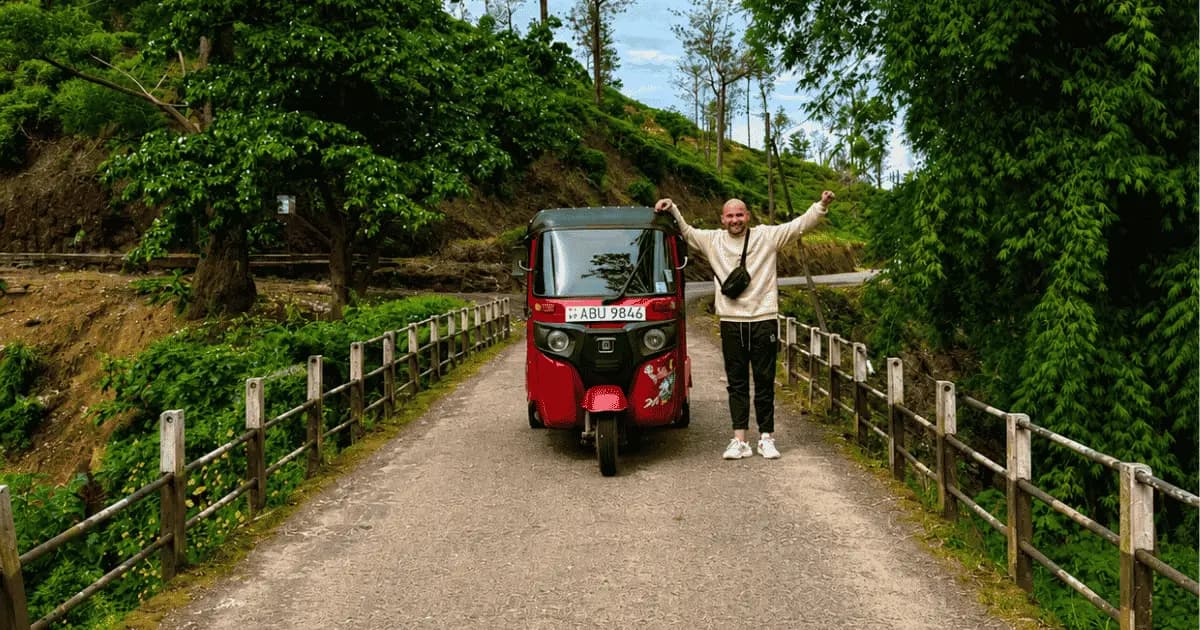
Some regions in Sri Lanka are best experienced slowly — not through rushed itineraries, but through winding roads, changing landscapes, river towns, rainforest mountains, and unexpected roadside discoveries.
The journey through Ratnapura, Avissawella, and Kitulgala reveals one of the island's most naturally diverse travel routes, connecting gem-mining towns, tropical rainforests, jungle rivers, mountain roads, waterfalls, tea hills, and adventure landscapes stretching between Sri Lanka's wet zone and central highlands.
Unlike the cooler mountain atmosphere of Ella or Nuwara Eliya, this region feels warmer, greener, wetter, and deeply alive. Rain falls frequently, rivers move powerfully through forests, and thick jungle scenery surrounds many of the roads linking these towns together.
For tuk tuk travelers especially, the route itself becomes part of the adventure. The roads twist through rainforest valleys, mist-covered hills, waterfalls hidden beside jungle roads, and rivers flowing beneath hanging bridges while tea shops, fruit stalls, and village homes appear unexpectedly between the forests.
Ratnapura — Sri Lanka's Legendary Gem City
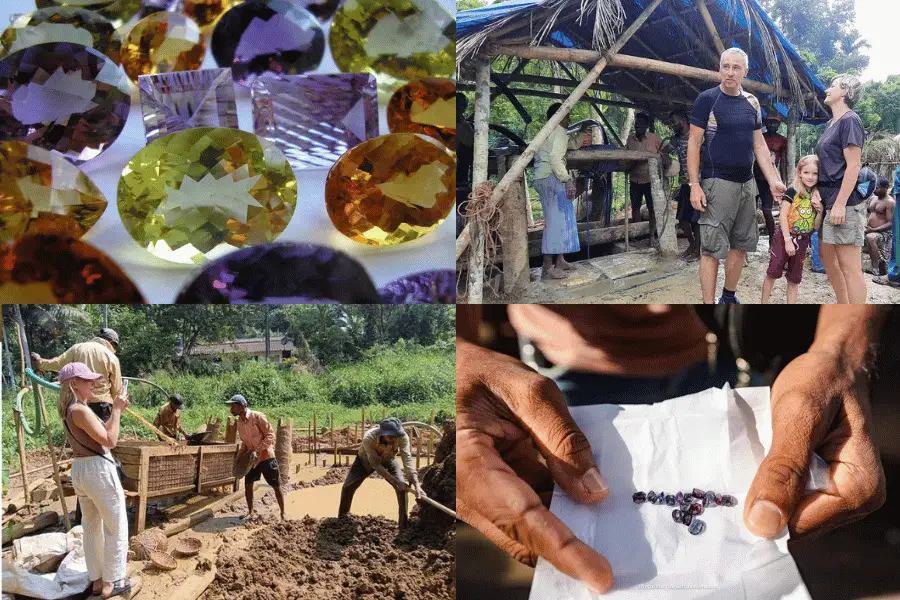
Known as the "City of Gems," Ratnapura has been connected to precious gemstones for centuries. The region became world famous for producing sapphires, rubies, cat's eyes, garnets, and many other precious stones that traveled from Sri Lanka into royal collections and jewelry markets across the world. Even today, gem mining remains deeply connected to everyday life throughout the city.
Travelers pass traditional gem pits, roadside traders, jewelry stores, local gem markets, and mining communities where the city's gemstone culture continues much as it has for generations.
One of the most fascinating experiences in Ratnapura is visiting traditional gem pits where miners still use older methods to search deep beneath the earth for valuable stones hidden within wet soil and river sediments. Watching miners work slowly beneath wooden support structures while muddy water flows through the pits offers a rare glimpse into one of Sri Lanka's oldest industries.
The surrounding landscapes feel dramatically different compared to Sri Lanka's dry regions. Heavy rainfall, dense greenery, rivers, forests, and mist-covered hills create one of the island's richest and wettest environments.
- Visit traditional gem pits and watch miners searching for sapphires using centuries-old techniques
- Explore local gem markets and jewelry shops connected to Ratnapura's centuries-old industry
- Drive through wet-zone rainforest roads, rivers, waterfalls, and mist-covered hills
- Stop at roadside tea shops and local rice and curry restaurants
Batadombalena Cave — One of South Asia's Most Important Prehistoric Sites
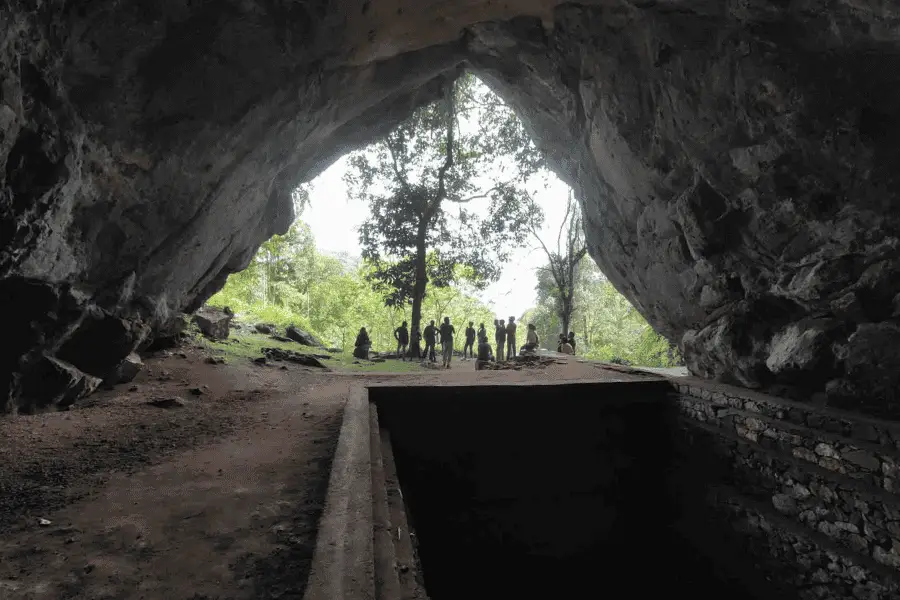
Near Ratnapura lies one of Sri Lanka's most significant archaeological sites — Batadombalena Cave. Hidden among forests and rocky hillsides near Kuruwita, the cave became internationally important after archaeologists discovered evidence proving that prehistoric humans lived in Sri Lanka tens of thousands of years ago.
Ancient human remains, stone tools, and evidence of early settlements discovered here helped researchers better understand some of the earliest human civilizations in South Asia.
The walk toward the cave itself feels adventurous and peaceful. Forest paths, village scenery, rocky landscapes, and jungle atmosphere surround the route while birds and river sounds echo through the surrounding hills. Compared to Sri Lanka's more famous cultural attractions, Batadombalena feels quieter, wilder, and deeply connected to ancient history.
Waterfalls & Rainforest Roads Around Ratnapura
The region surrounding Ratnapura is filled with waterfalls, forest reserves, rivers, and mountain roads hidden within Sri Lanka's wet-zone landscapes. Because Ratnapura receives heavy rainfall throughout much of the year, many waterfalls remain powerful and dramatic — especially during monsoon seasons when enormous amounts of water rush through the forests and rocky hillsides.
Driving through these roads feels incredibly scenic. Rain drifts through the forests, rivers cut through valleys beneath suspension bridges, and waterfalls suddenly appear beside winding mountain roads hidden among thick greenery.
Bopath Ella — The Sacred Leaf Waterfall
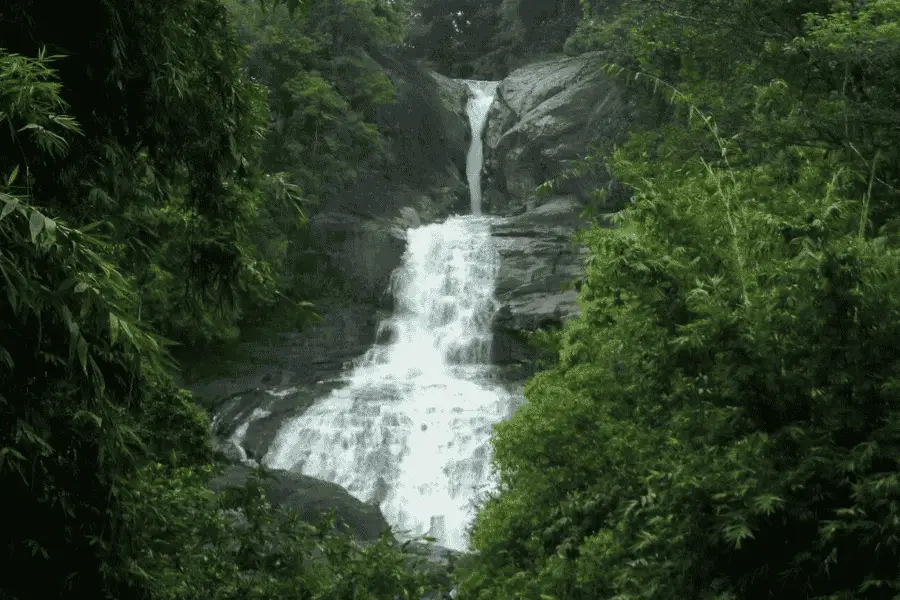
One of the most famous waterfalls near Ratnapura is Bopath Ella, named after the shape of the falling water which resembles the sacred Bo leaf associated with Buddhism in Sri Lanka. Unlike taller waterfalls hidden deep within mountains, Bopath Ella is loved for its peaceful surroundings, accessible location, and natural pool areas surrounded by forests and rocks.
Local folklore surrounds the waterfall, with old village legends speaking about hidden treasures and mysterious spirits connected to the surrounding forests and riverbanks. During weekends and holidays, local travelers visit for picnics, river bathing, and relaxing beside the flowing water.
Kirindi Ella — One of the Region's Most Powerful Waterfalls
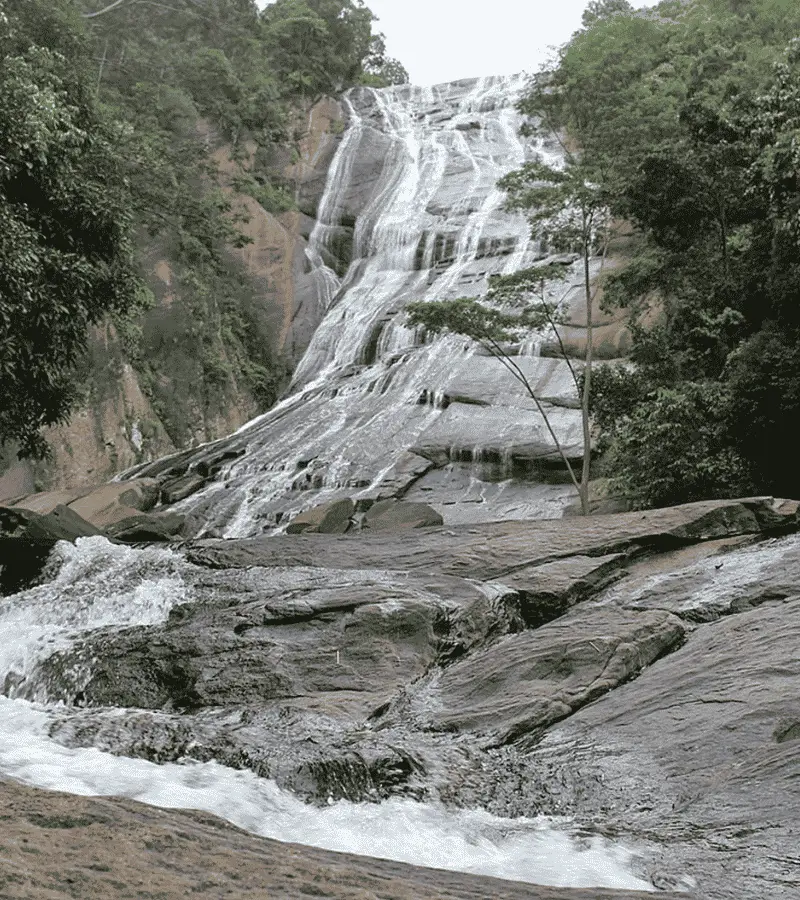
Hidden deeper within the forests near Ratnapura, Kirindi Ella is considered one of the tallest and most powerful waterfalls in the Sabaragamuwa region. The waterfall crashes dramatically through rocky cliffs surrounded by dense tropical greenery, especially during rainy periods when water levels become incredibly strong.
Compared to more commercial waterfalls, Kirindi Ella feels wilder and more connected to the rainforest landscapes surrounding Ratnapura. The drive toward the waterfall passes forests, tea lands, rivers, mountain villages, and mist-covered roads before eventually reaching the falls hidden within the greenery.
Rajanawa Falls — Hidden Forest Escape
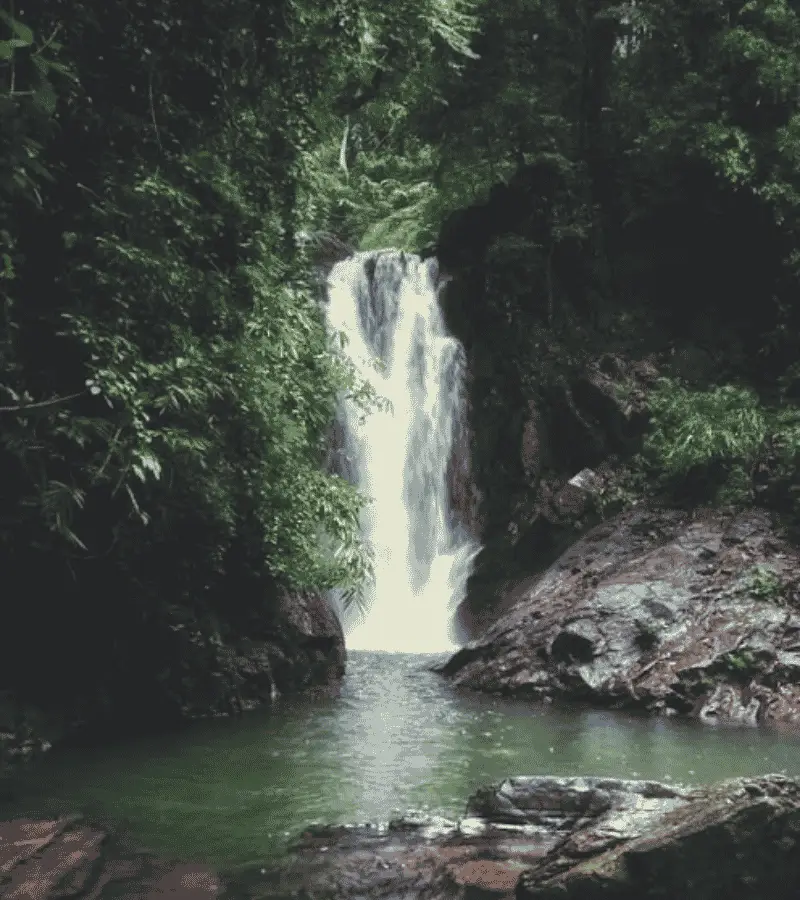
Less crowded and often overlooked by larger tourist groups, Rajanawa Falls offers a quieter waterfall experience hidden within the region's forest roads. The waterfall flows through thick greenery and rocky terrain where the atmosphere feels calm, isolated, and deeply connected to nature.
Because the area remains less developed, travelers often experience the waterfall with very few crowds, especially during weekdays. For slow travelers, Rajanawa feels like one of those hidden roadside discoveries that make Sri Lanka road trips memorable.
Aberdeen Falls — Hidden Highland Waterfall Escape
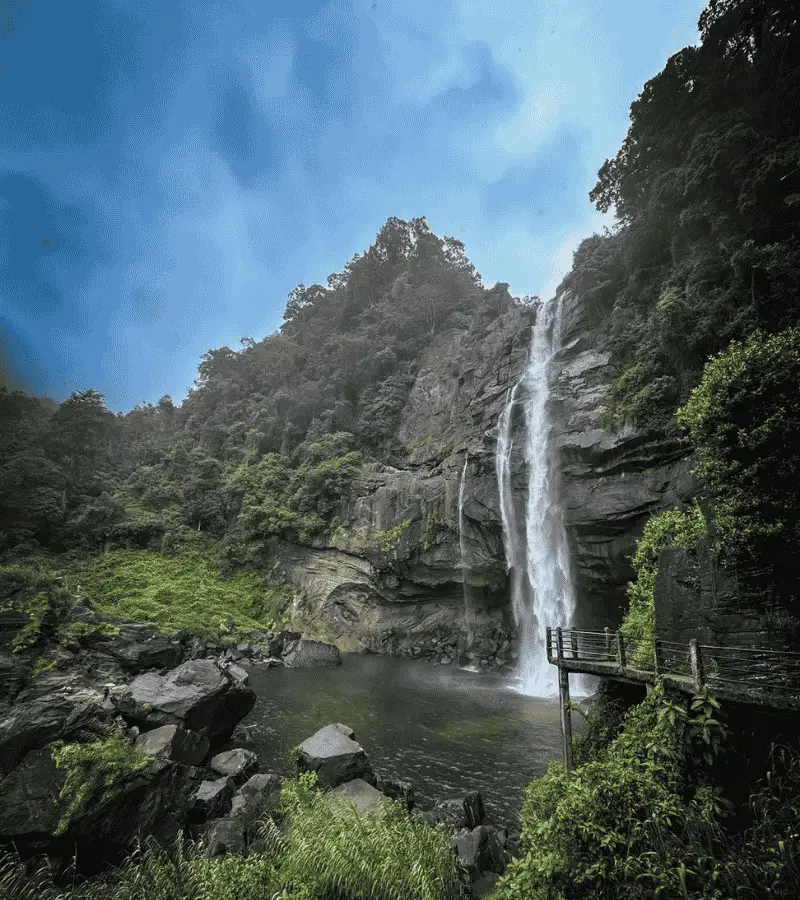
Located along the routes connecting Kitulgala, Ginigathhena, and the central highlands, Aberdeen Falls is one of Sri Lanka's most beautiful waterfall escapes hidden among forests, tea-covered hills, and mountain scenery. Named during the colonial period after Aberdeen in Scotland, the waterfall drops dramatically through rocky cliffs surrounded by thick greenery and mist-covered landscapes.
Compared to busier tourist waterfalls, Aberdeen feels quieter and more connected to nature. The journey toward the waterfall passes tea estates, rivers, suspension bridges, mountain villages, and winding roads where the atmosphere slowly changes from rainforest valleys into cooler hill-country scenery.
Avissawella — Gateway Between Colombo & The Highlands
Avissawella acts as one of the major transition points between Colombo and Sri Lanka's mountainous interior. Unlike the more tourism-focused mountain towns, Avissawella feels deeply local and connected to everyday Sri Lankan life. Busy roads, fruit stalls, riverside scenery, and surrounding greenery create a lively atmosphere where travelers begin feeling the landscapes slowly changing from urban environments into forests and mountain terrain.
The Kelani River flows through the region, helping shape the surrounding scenery and eventually leading travelers toward Kitulgala and Sri Lanka's rainforest-covered central hills. Because of its location, Avissawella naturally connects travelers moving between Colombo, Kitulgala, Hatton, Adam's Peak, Ratnapura, and Sri Lanka's central highlands.
Kitulgala — Sri Lanka's Adventure Capital
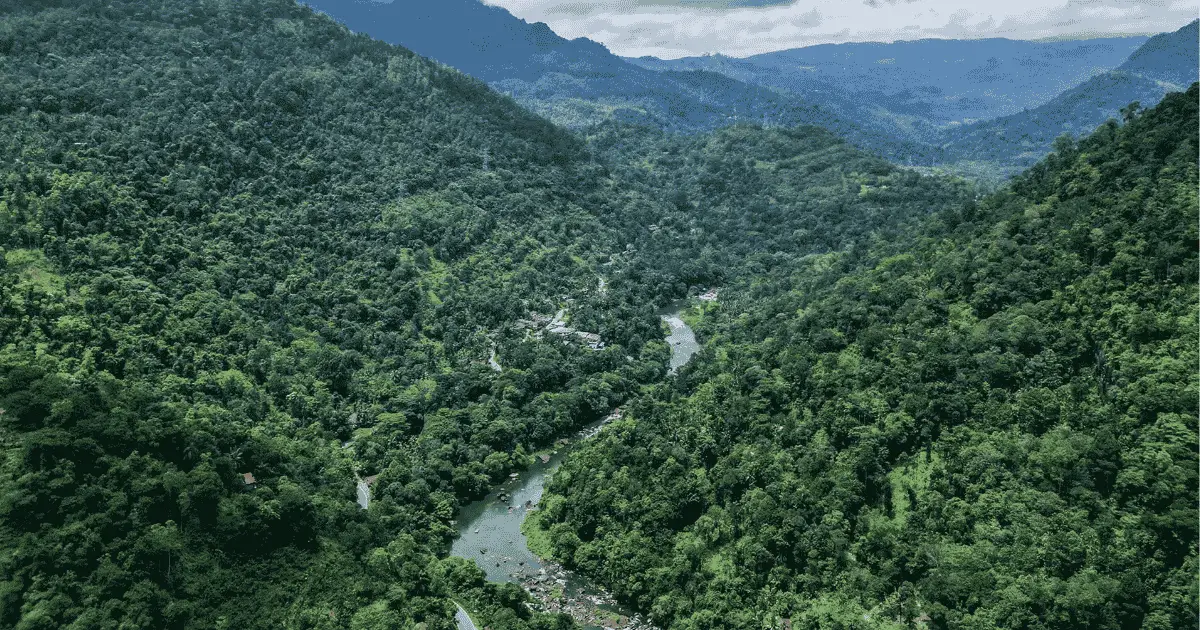
Hidden beside the Kelani River and surrounded by thick rainforest, Kitulgala has become one of Sri Lanka's most famous adventure destinations. The town is best known for white water rafting, but the surrounding region offers far more than simply river activities.
Dense rainforest, mountain scenery, waterfalls, caves, jungle trekking routes, suspension bridges, and riverside landscapes create an atmosphere that feels adventurous and deeply connected to nature. Because of the region's heavy rainfall and tropical environment, Kitulgala remains incredibly green throughout most of the year.
Fog drifts through the forests during early mornings while the sounds of birds and flowing rivers echo through the valleys.
White Water Rafting on the Kelani River
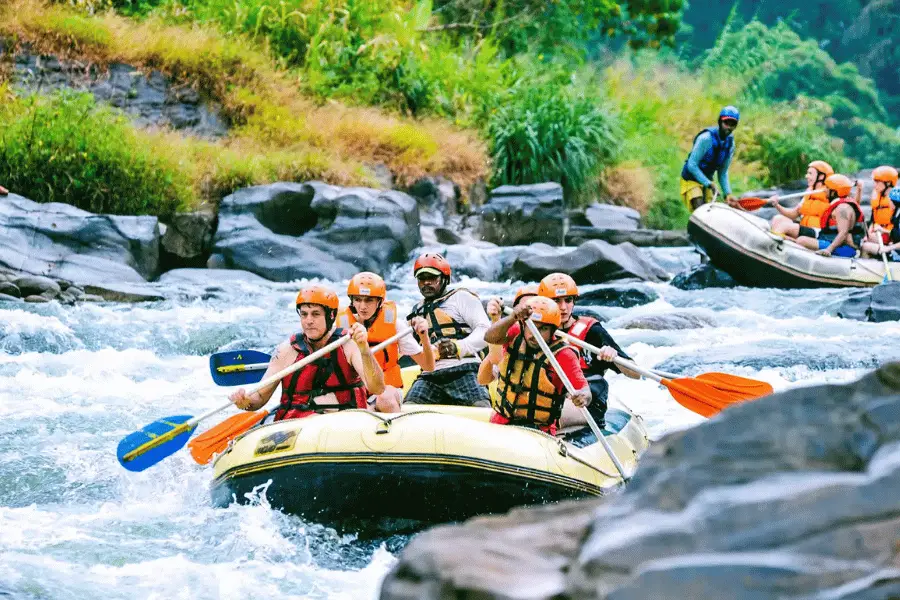
The most famous experience in Kitulgala is rafting along the Kelani River. The river cuts directly through rainforest landscapes and rocky valleys, creating exciting rapids mixed with calmer sections where travelers can fully experience the surrounding jungle scenery.
Even for beginners, rafting in Kitulgala is generally considered accessible with professional guides leading the experience. The combination of rainforest landscapes, flowing river currents, mist-covered mountains, and jungle atmosphere makes rafting here feel completely different from adventure sports in drier environments.
The Bridge on the River Kwai Connection
Kitulgala also carries an unexpected connection to international film history. Parts of the famous film The Bridge on the River Kwai were filmed in the region because of its dramatic rainforest scenery and river landscapes. Although the original film bridge no longer exists, many locals still proudly connect Kitulgala to the legendary movie production that introduced the region's jungle scenery to international audiences decades ago.
Even today, the rainforest atmosphere surrounding the river still feels cinematic — mist-covered valleys, fast-moving water, and dense jungle canopy creating the kind of scenery that makes the film connection easy to understand.
Rainforest Trekking, Canyoning & Jungle Adventures
Beyond rafting, Kitulgala has become one of Sri Lanka's best destinations for outdoor adventure experiences. The surrounding rainforest landscapes offer jungle trekking, waterfall hiking, river canyoning, natural water stream slides, cave exploration, birdwatching, rainforest camping, and riverside night camping experiences.
Because the forests remain incredibly rich in biodiversity, wildlife lovers often encounter colorful birds, butterflies, monkeys, reptiles, and tropical rainforest species hidden throughout the region. Early mornings feel especially atmospheric as fog drifts through the rainforest while the sounds of birds and flowing rivers echo through the valleys.
- Rainforest trekking through jungle paths, riverside trails, and waterfalls
- Canyoning and natural water stream slides through rocky river formations
- Riverside and overnight camping surrounded by jungle sounds and mist
- Birdwatching and nature photography within one of Sri Lanka's richest ecosystems
Tea Hills, Rivers & Changing Landscapes
One of the most beautiful parts of traveling through Ratnapura, Avissawella, and Kitulgala is how dramatically the scenery changes along the route. Travelers move gradually between busy local towns, gem-mining regions, tropical rainforest, tea-covered hills, river valleys, mountain forests, waterfalls, and jungle roads.
This creates one of Sri Lanka's most rewarding road-trip routes, especially for tuk tuk travelers exploring slowly through the island's southwestern highlands.
Food & Local Atmosphere
Compared to Sri Lanka's major tourist hubs, the atmosphere throughout this region feels far more local and grounded. Roadside tea shops, fruit stalls, bakeries, rice and curry restaurants, gem shops, and riverside cafés dominate the roads connecting the towns.
Fresh tropical fruits, warm tea, spicy curries, and riverside meals become part of the travel experience itself. The wetter climate also shapes the atmosphere — rain showers, mist, flowing rivers, and thick greenery constantly surround the journey.
Exploring the Region by Tuk Tuk
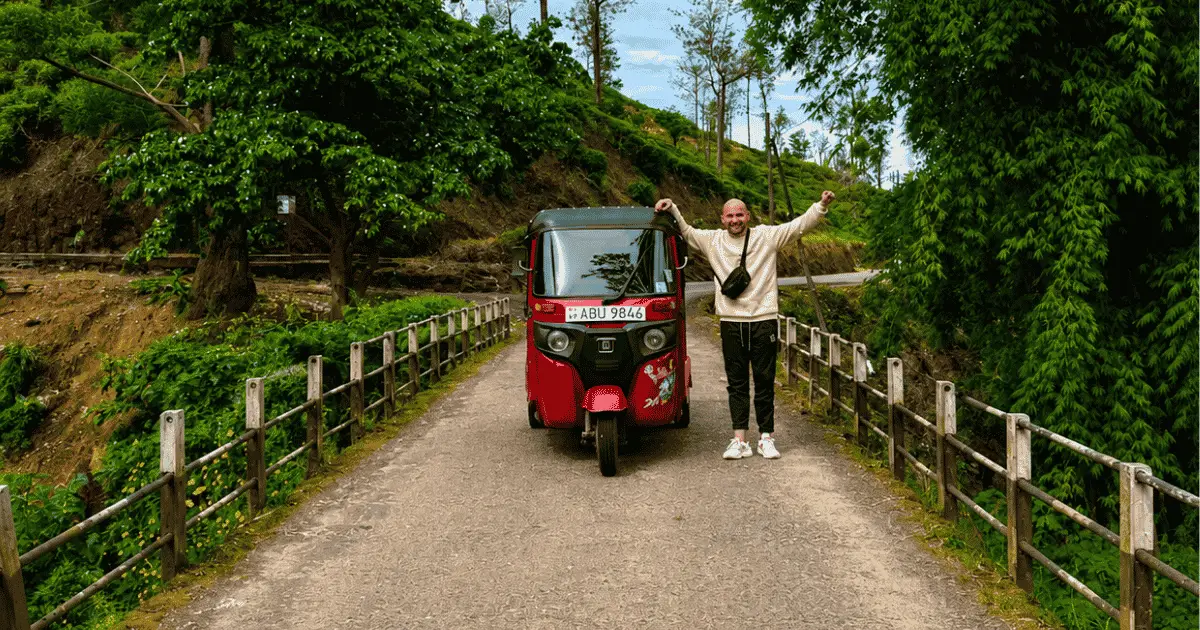
Traveling through Ratnapura, Avissawella, and Kitulgala by tuk tuk feels adventurous, scenic, and deeply immersive. The roads twist through rainforest landscapes, riverside valleys, waterfalls, mountain forests, and tea-covered hills where every section of the journey feels visually different from the last.
At the same time, drivers should expect sudden rain, wet roads, foggy mountain sections, narrow jungle roads, and steep climbs in certain areas. But these same conditions also create the unforgettable atmosphere that makes this region so rewarding to explore slowly. For full route planning details, see the complete guide to renting a tuk tuk in Sri Lanka.
- Tuk tuks are not permitted on Sri Lankan expressways — use A-roads and local routes throughout
- Wet-zone regions may experience sudden rain, fog, and slippery mountain roads
- Plan extra travel time when driving between destinations by tuk tuk
- Carry rain protection and allow flexibility in daily schedules
Where To Head Next
From Kitulgala and Ratnapura, many travelers continue deeper into Sri Lanka's central highlands toward Hatton, Adam's Peak, Nuwara Eliya, and Ella, while others descend back toward Colombo and the western coastline.
Some continue south toward Sinharaja and Deniyaya — Sri Lanka's UNESCO rainforest reserve — while adventure travelers often remain around Kitulgala for multi-day outdoor experiences and jungle exploration.
Why Travelers Remember This Route
The journey through Ratnapura, Avissawella, and Kitulgala becomes one of Sri Lanka's most memorable road trips because it combines gemstones, rainforests, rivers, waterfalls, history, and adventure all beneath the island's endlessly green landscapes. For tuk tuk travelers especially, the road itself becomes the destination — every turn revealing something different between the forests, rivers, and mountain roads of Sri Lanka's wild green heart.
Frequently Asked Questions — Ratnapura, Avissawella & Kitulgala Travel Guide
How far is Kitulgala from Negombo?
Kitulgala is approximately 100 km from Negombo. By tuk tuk the drive takes around 3–4 hours depending on the route and traffic. The most common route passes through Colombo or Avissawella before continuing into the rainforest region.
What is white water rafting like in Kitulgala?
Kitulgala rafting takes place along the Kelani River through rainforest valleys and rocky rapids. It is generally accessible for beginners with professional guides. The combination of jungle scenery, flowing rapids, and mist-covered mountains makes it one of the most popular outdoor experiences in Sri Lanka.
What is Ratnapura famous for?
Ratnapura is known as Sri Lanka's City of Gems and has been connected to sapphires, rubies, cat's eyes, garnets, and other precious gemstones for centuries. Traditional gem mining continues throughout the region today. Travelers can visit working gem pits, local gem markets, and jewelry workshops connected to this centuries-old industry.
Is this route suitable for tuk tuk travel?
Yes, but with some caution. The roads through Ratnapura, Avissawella, and Kitulgala are scenic and manageable by tuk tuk, but travelers should expect wet roads, sudden rainfall, narrow jungle sections, and some steep climbs. Expressways are not permitted for tuk tuks — the route uses A-roads and local roads throughout.
When is the best time to visit Ratnapura, Avissawella and Kitulgala?
This region receives heavy rainfall throughout much of the year as part of Sri Lanka's wet zone. The wettest months are May to September. For drier conditions, December to April tends to be more manageable, though some rain is always possible. The rainforest atmosphere is part of what makes the region visually dramatic at any time of year.