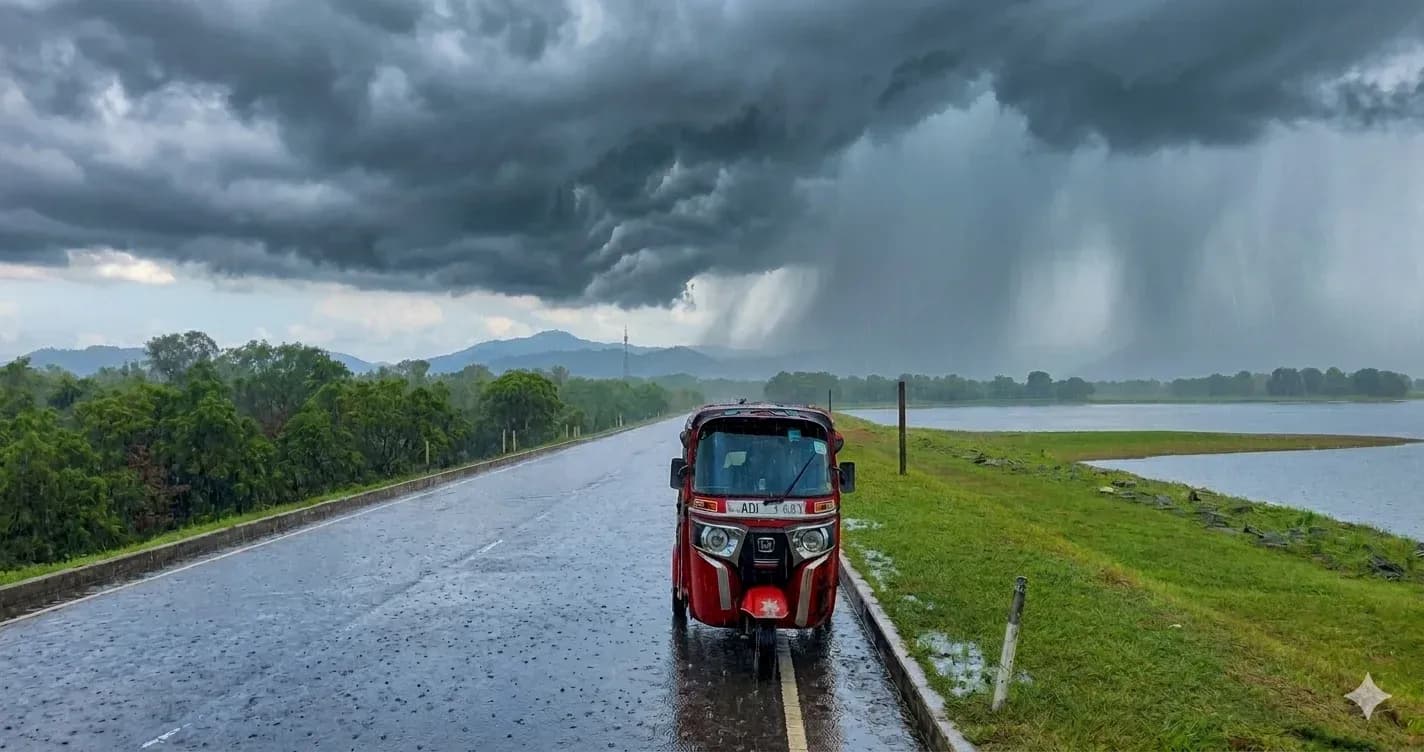
Most travellers hear the word "monsoon" and picture cancelled plans, endless rain, and gloomy days. Sri Lanka's rainy season does not work that way — and this travel guide explains why.
This small tropical island experiences two separate monsoon systems at different times of year. One affects the south and west coast. The other affects the north and east. Because they run on opposite schedules, one side of the island is almost always in reasonable weather. When the southwest coast is wet, the east coast is clear. When the northeast monsoon arrives, the south coast opens up.
For tuk tuk travellers especially, understanding Sri Lanka's weather patterns changes how you plan. Instead of working around rain, you follow it. One month you could be on the east coast during surf season. A few months later you could be driving through palm-lined roads on the south coast under clear skies. The island changes with the seasons — and each season opens a different part of it.
Sri Lanka's Rainy Season Explained: Two Monsoon Systems
Sri Lanka's weather is shaped by two major monsoon systems that run on opposite schedules:
- Southwest Monsoon (Yala Season) — May to September. Rain affects the south coast, west coast, and parts of the central highlands. The east coast is dry.
- Northeast Monsoon (Maha Season) — October to January. Rain shifts to the north and east. The south and west coasts enter their dry season.
Sri Lanka sits at the intersection of weather from both the Bay of Bengal and the Arabian Sea. That is why rainfall patterns shift so dramatically between regions despite the island being roughly 430 km from north to south. The result is a natural rotation of dry weather from one coast to the other — which is why Sri Lanka works as a year-round destination when most tropical islands have a simple wet and dry season.
The Sri Lanka Tourism Development Authority publishes a full seasonal calendar with regional weather breakdowns — useful if you are planning a specific circuit.
Southwest Monsoon — May to September
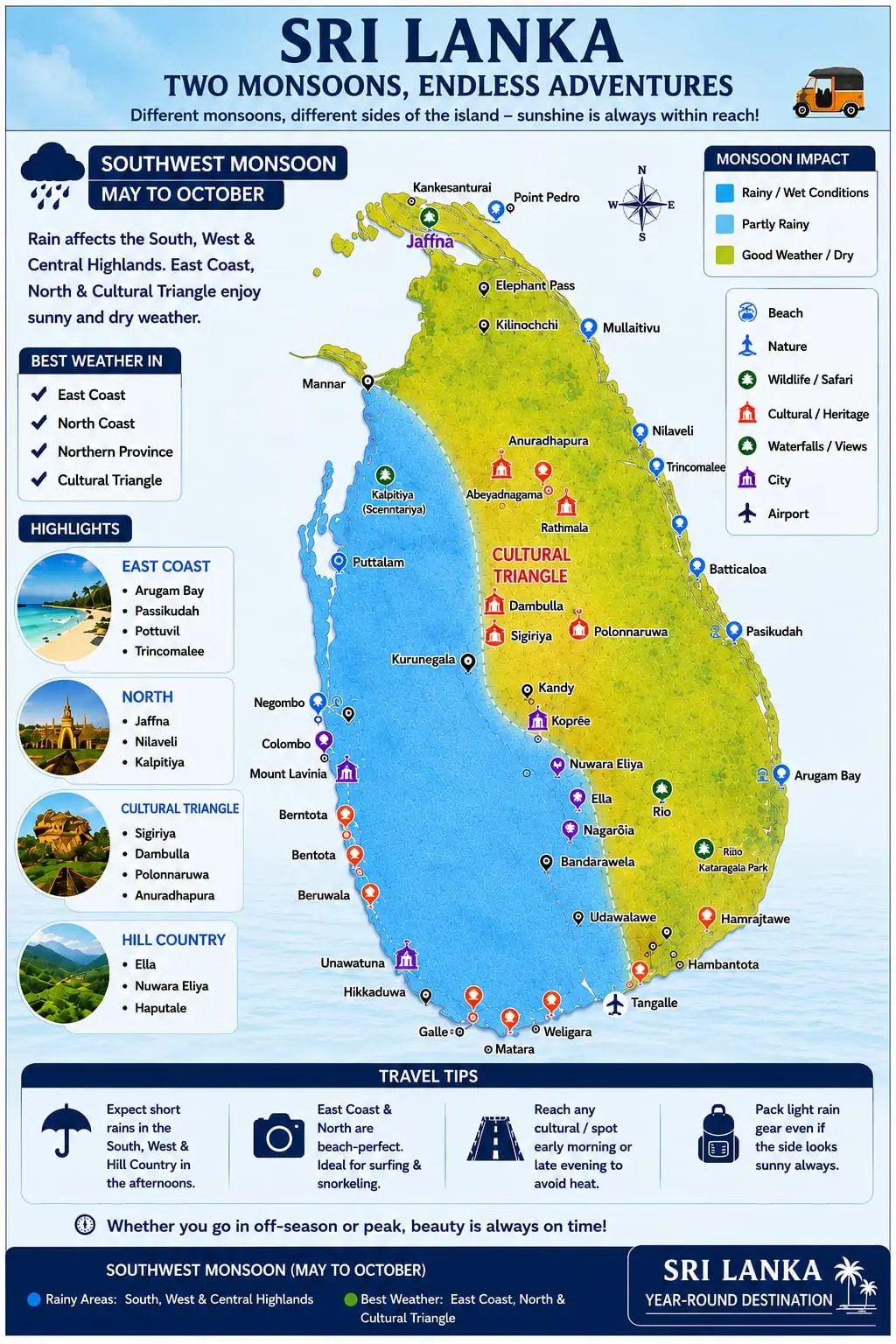
Between May and September, rain sweeps across the south coast, west coast, and parts of the central highlands. Beach towns like Unawatuna, Mirissa, and Hikkaduwa get wet. Road conditions on some southern routes slow down. But while that happens, the east coast opens completely.
The ocean becomes calm. Surf breaks that lie dormant during the northeast season come alive. Beaches along the eastern coastline clear of the crowds that fill them during the southern dry season. The roads from Trincomalee south to Arugam Bay become some of the best tuk tuk routes on the island.
Arugam Bay
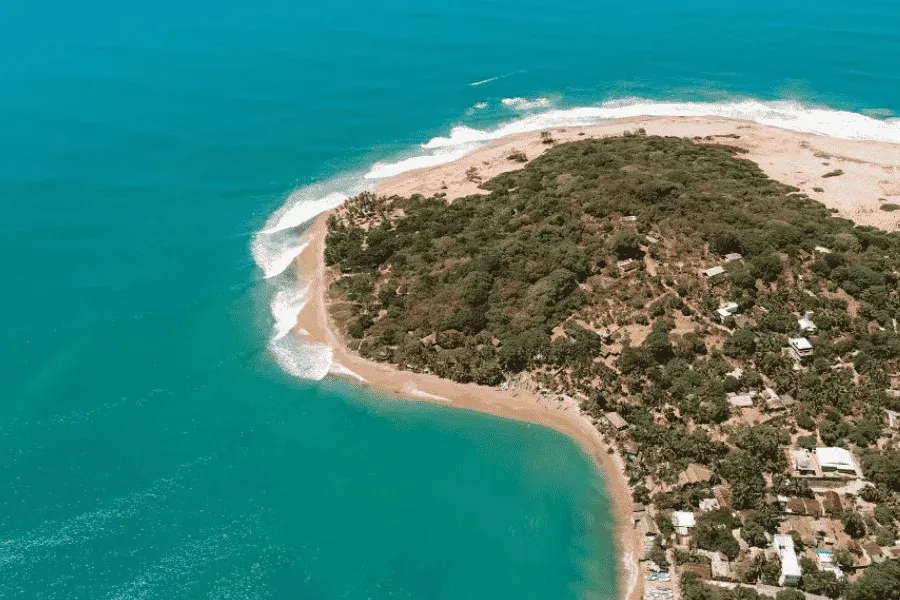
During the Yala season, Arugam Bay is one of the most active surf towns in Asia. Small beach cafés fill with surfers, backpackers, and travellers chasing waves along Sri Lanka's eastern shoreline.
What makes Arugam Bay worth the drive is not just the surf — it is the atmosphere. Slow mornings. Salt air. Tuk tuks parked beside sandy cafés. Jungle lagoons filled with crocodiles and elephants a short drive inland. Arugam Bay regularly hosts international surf competitions and is considered one of the top point-break surf destinations in Asia.
- Best for: surfing, beach cafés, lagoon safaris, backpacker culture
- Best months: May to September
Read the full Arugam Bay travel guide for routes, distances, and what to expect on the drive.
Trincomalee
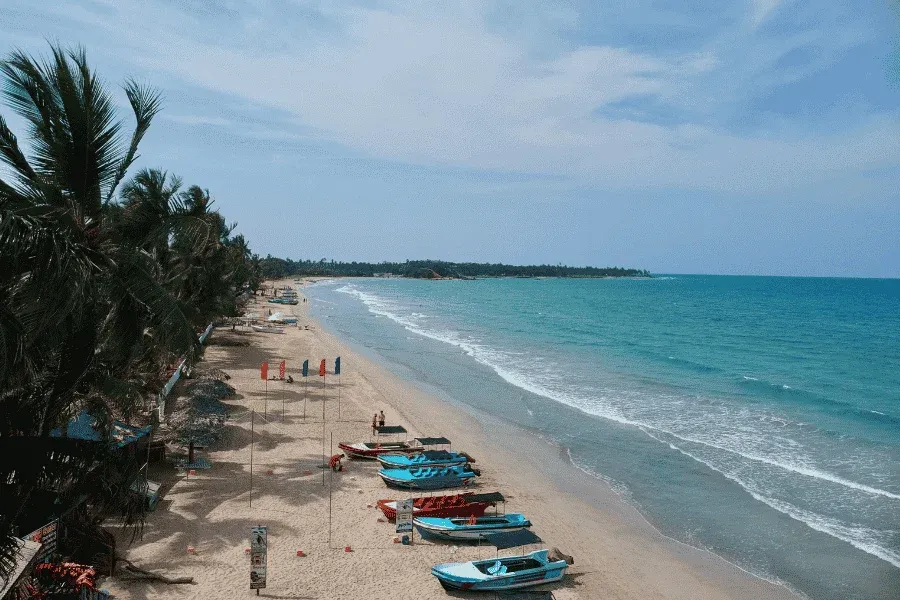
Trincomalee feels completely different from the south coast. The beaches are quieter. The ocean is calmer. The pace is slower. This historic harbour city offers some of the clearest waters in Sri Lanka during the east coast season — good for snorkelling, diving, and whale watching. The roads leading into Trincomalee are particularly scenic, passing fishing villages, jungle reserves, and ancient temples before reaching the harbour.
Fact: Trincomalee is home to one of the world's largest natural deep-water harbours, controlled at different points by the Portuguese, Dutch, and British during the colonial period.
- Best for: whale watching, diving, snorkelling, family beach stays, temple visits
- Best months: May to August
Pasikuda and Nilaveli
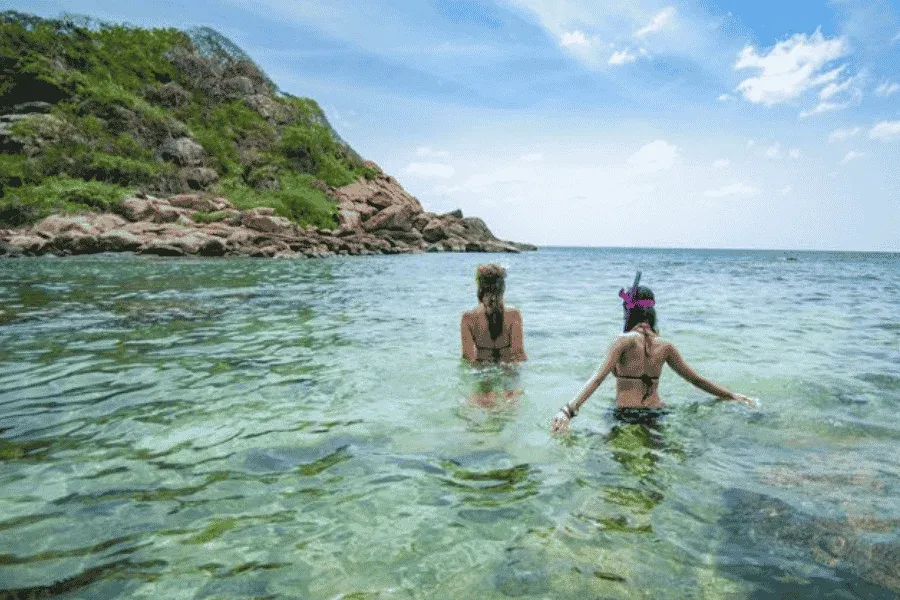
Pasikuda and Nilaveli are where travellers go when they want to disconnect. Turquoise water stretches across shallow bays while fishing boats drift near the shore. No surf scene, no nightlife — just calm water and long beaches that see far fewer visitors than the south coast.
Fact: Pasikuda's shallow coastline allows you to walk several hundred metres into the ocean during calm season without the water rising above waist height.
- Best for: swimming, relaxed beach stays, couples, snorkelling
- Best months: May to September
Jaffna — Northern Sri Lanka
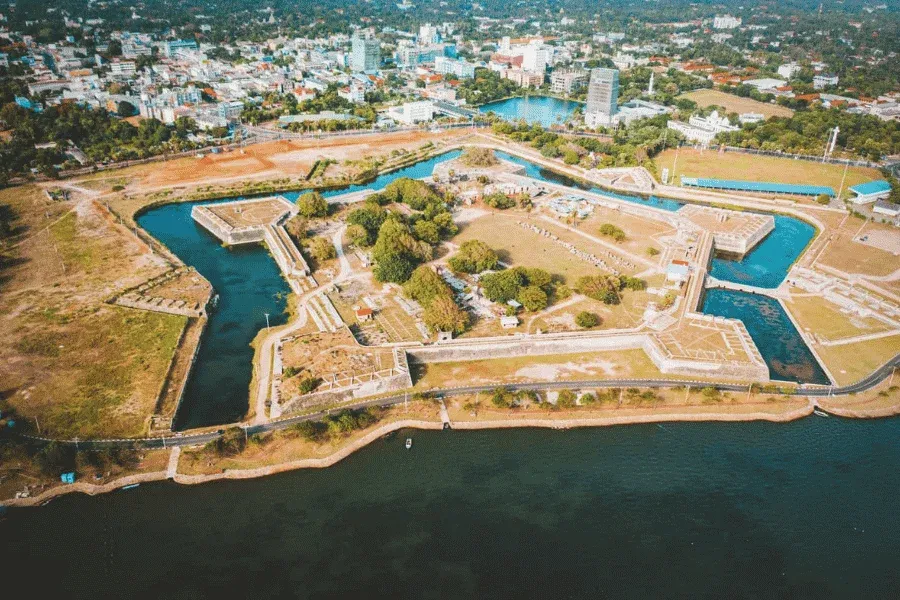
Northern Sri Lanka feels like entering a different country. Tamil culture, Hindu temples, colonial architecture, distinct cuisine, and quieter roads create an atmosphere unlike anywhere else on the island. Jaffna is one of the most undervisited cities in Sri Lanka — especially compared to the attention the south and east coasts receive. During the southwest monsoon, the north enjoys relatively dry weather, which makes it worth the drive.
Fact: Jaffna's main library was once considered one of the largest in Asia. It was destroyed during the civil conflict and later rebuilt — you can visit it today.
- Best for: Tamil culture, historic temples, seafood, northern island exploration
- Best months: June to September
Read the full Jaffna and Mannar travel guide for routes and what to expect on the drive north.
Sri Lanka's Cultural Triangle During the Southwest Monsoon
One of the surprises for travellers is that Sri Lanka's ancient cities remain accessible during much of the monsoon period. Rainfall often makes the surrounding landscapes greener, cooler, and less crowded than peak season. The UNESCO World Heritage Sites in the Cultural Triangle are open year-round.
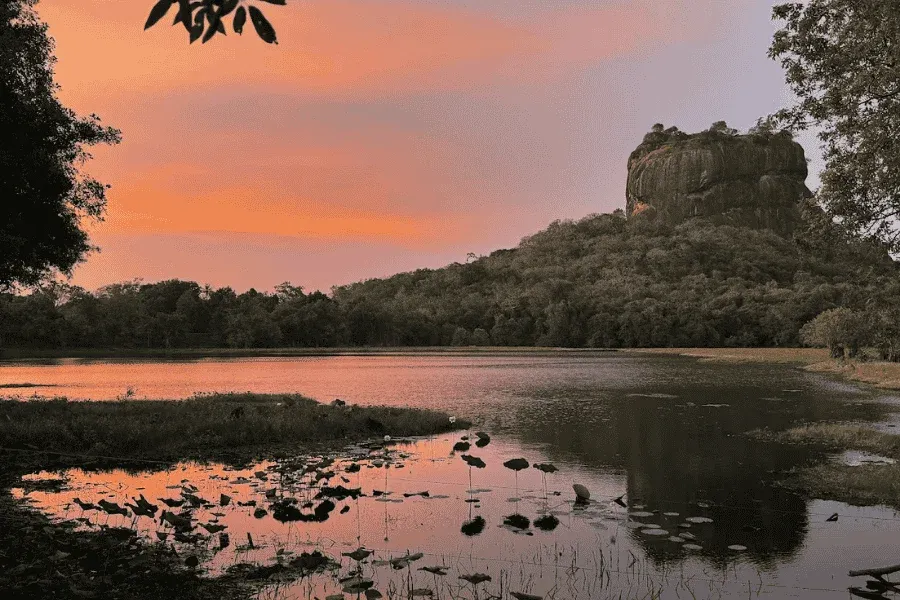
Sigiriya rises 200 metres above the surrounding jungle. After rain, the forests become intensely green and clouds sit low across the horizon at sunrise. Built over 1,500 years ago, it is often referred to as the "Eighth Wonder of the World."
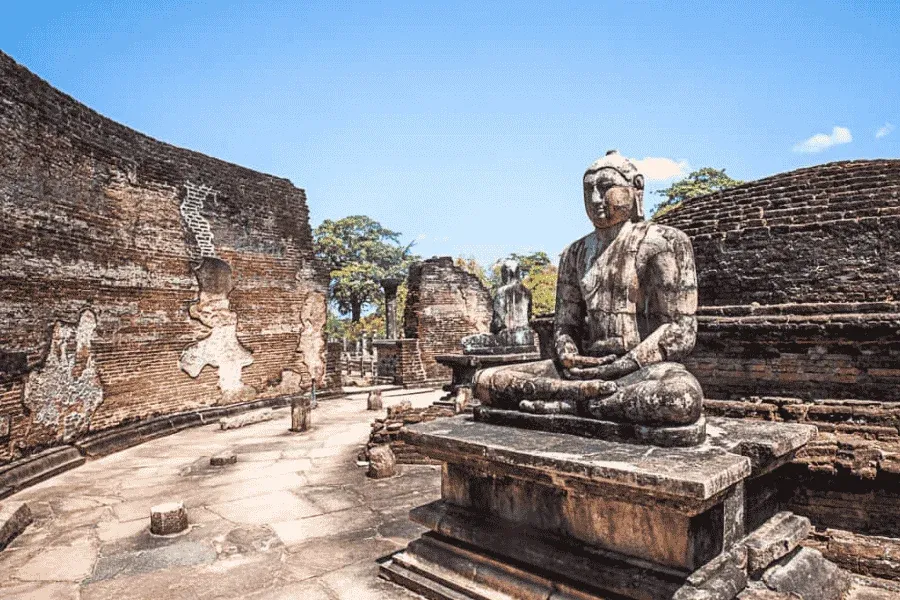
Polonnaruwa — cycling through the ancient ruins during cool monsoon mornings is one of the more atmospheric ways to see the site. Fewer visitors, greener surroundings, lower temperatures. Polonnaruwa served as Sri Lanka's medieval capital more than 800 years ago.
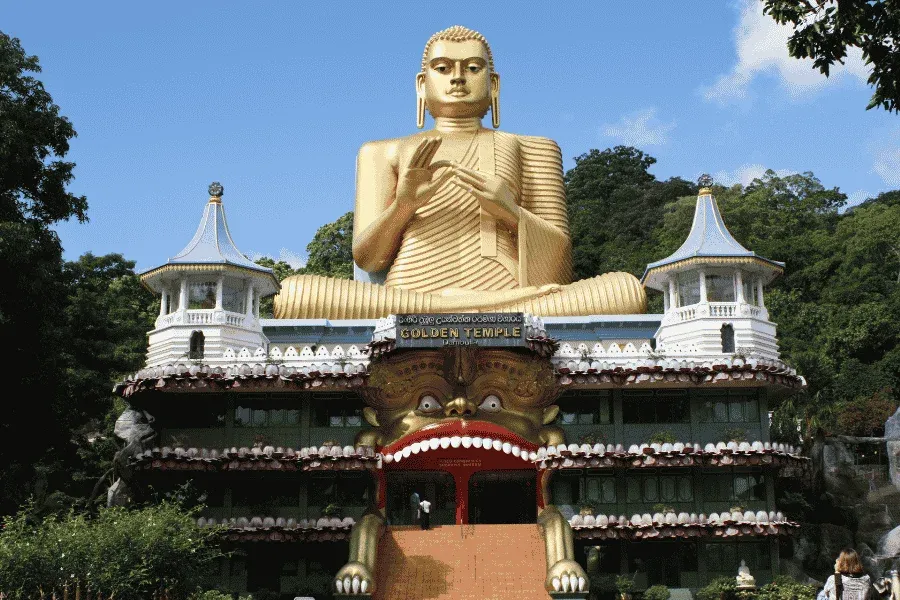
Dambulla — the cave temple contains over 150 Buddha statues inside massive rock caves. The murals and statues have survived for centuries and remain one of the best-preserved cave temple complexes in Sri Lanka. The caves also provide natural shelter from rain.
Northeast Monsoon — October to January
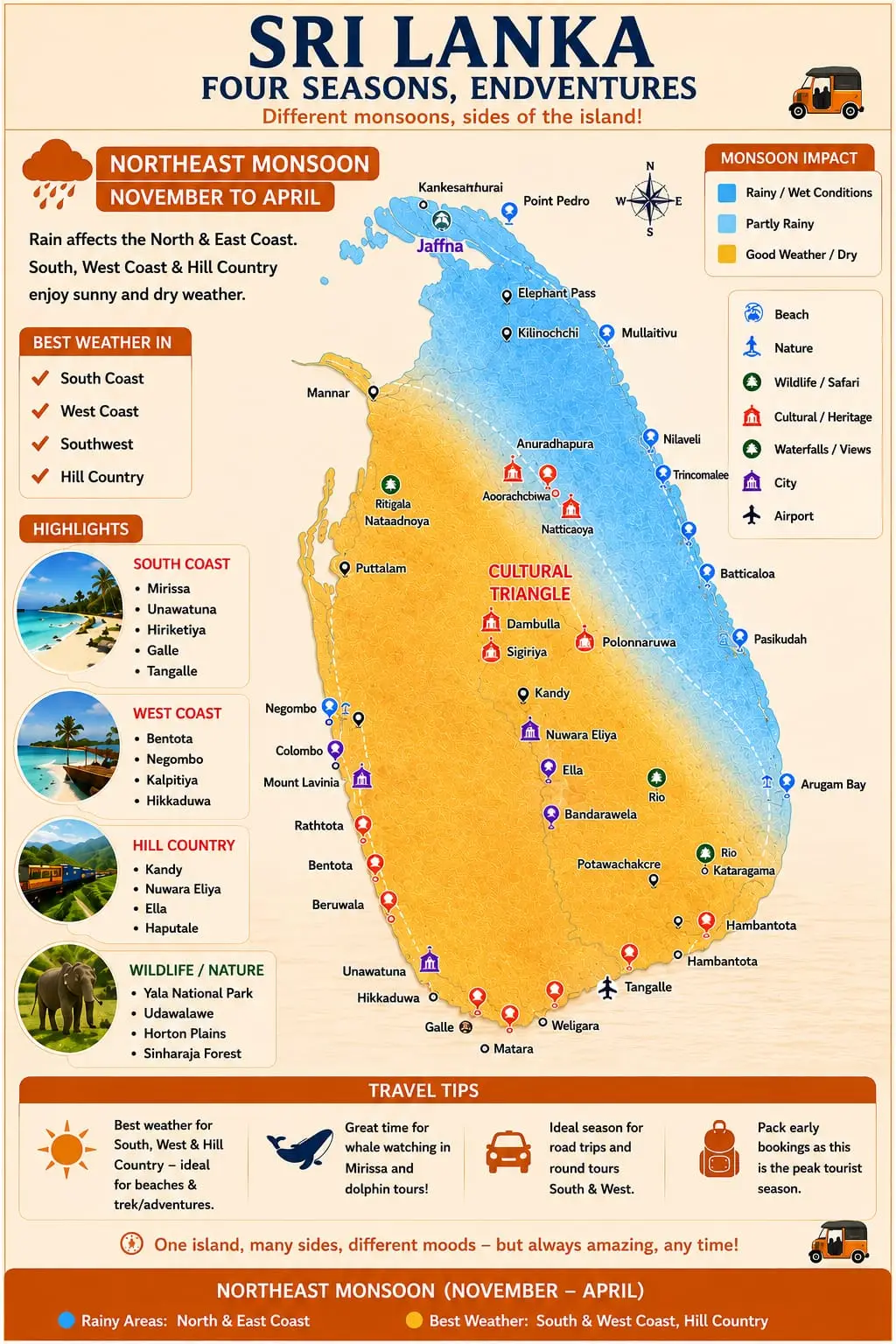
As rain shifts toward the north and east coast between October and January, Sri Lanka's south coast begins its dry season. Palm trees along the southern shoreline come back to life. Surf towns fill up. Whale watching season opens. Travellers from Europe arrive to escape winter.
This is Sri Lanka's most-visited season. The south coast road from Negombo to Hambantota is one of the most rewarding tuk tuk routes on the island when the weather is right.
Mirissa
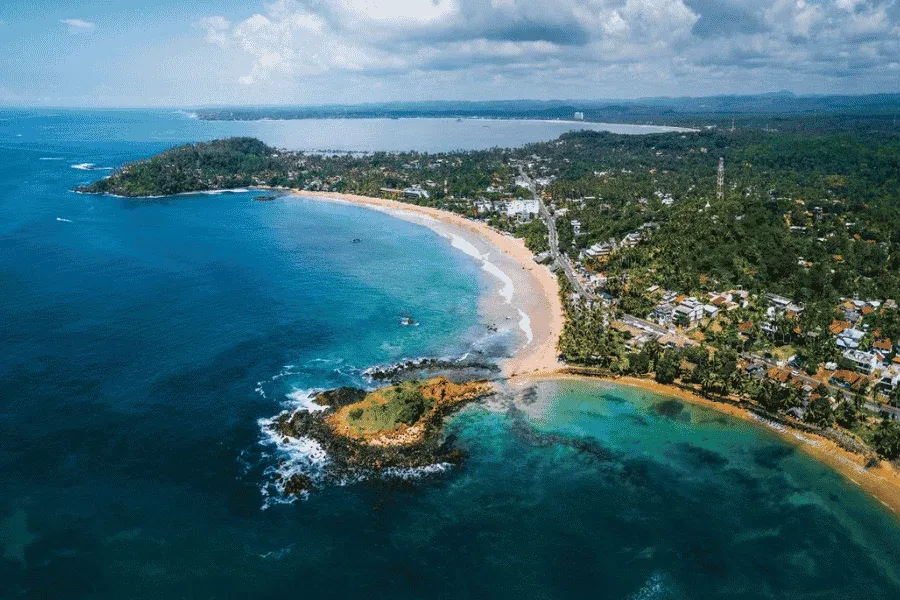
Mirissa is where many travellers stay longer than planned. Days start with surfing or whale watching and end with seafood beside the ocean. The beach is wide, the town is compact, and the bay faces west — which is why the sunsets draw people back each evening.
Fact: Sri Lanka's south coast is one of the few places in the world where you can spot blue whales close to shore without a long boat journey. The season runs from December to April.
- Best for: whale watching, surfing, sunset cafés, beach stays
- Best months: November to April
Unawatuna, Hiriketiya, and Galle
Unawatuna combines beach access with nightlife, snorkelling, and boutique cafés. The bay is calm for swimming and the town is compact enough to navigate on foot or by tuk tuk. Unawatuna's bay has appeared on multiple international lists of notable beaches.
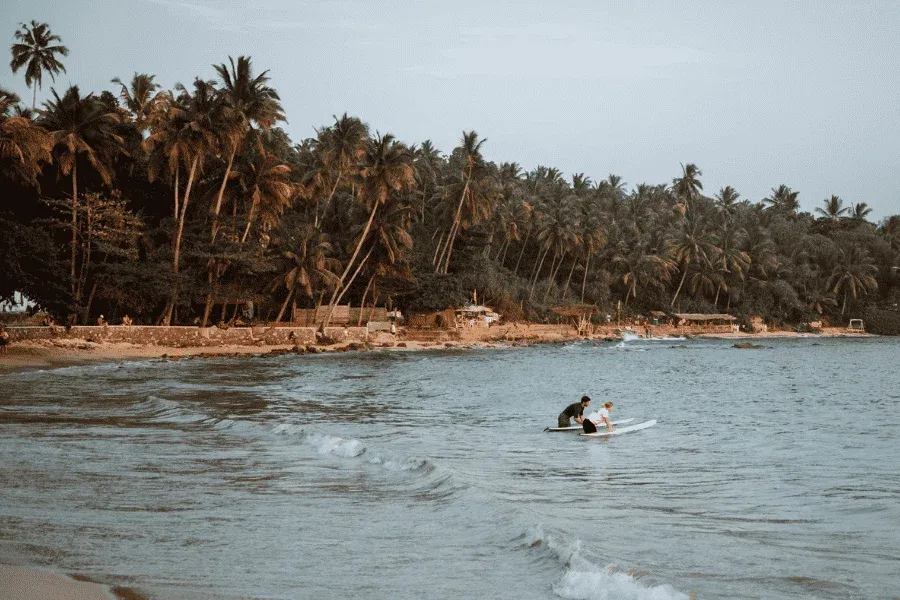
Hiriketiya was a fishing village that gradually became one of the south coast's most talked-about surf and wellness destinations. The bay is small and bowl-shaped, which keeps the surf manageable for beginners while still producing good waves. Despite growing visitor numbers, Hiriketiya remains quieter than Mirissa.
- Best for: surfing, yoga retreats, wellness travel, digital nomads
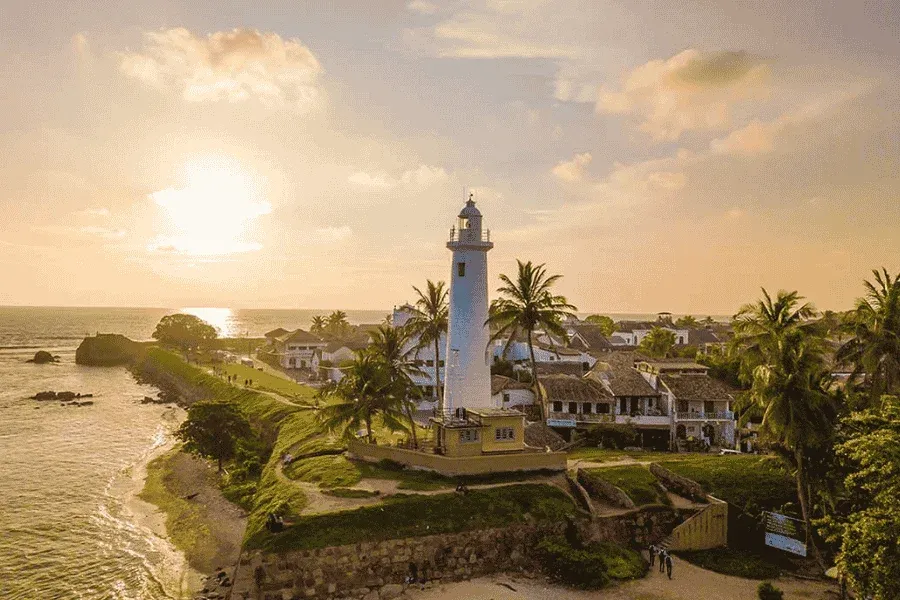
Galle — walking through Galle Fort feels like entering a different century. Colonial architecture from the Dutch period, boutique hotels, art galleries, and ocean views make it one of the most photographed stops on the south coast. Galle Fort is a UNESCO World Heritage Site originally built by the Portuguese in the 16th century and later fortified by the Dutch.
The Hill Country — Ella, Nuwara Eliya, and Haputale
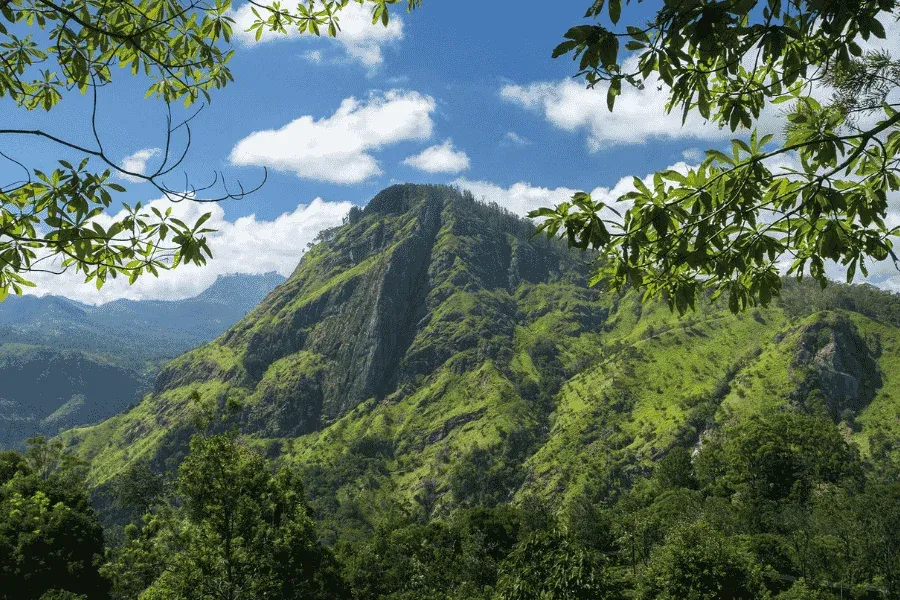
Sri Lanka's hill country experiences rain at various points throughout the year — but that is part of what makes it worth visiting in any season. Mist rolls across tea plantations in the mornings. Waterfalls run full after rain. The train ride between Kandy and Ella passes through cloud cover and then emerges above it. For many travellers, rainy weather in the hill country makes the scenery more atmospheric, not less.
Fact: The train journey between Kandy and Ella is considered one of the most scenic rail routes in Asia, passing through tea estates, six tunnels, and the Nine Arch Bridge at Demodara.
For tuk tuk travel, hill country roads require more time and care in wet weather. Gradients are steep and visibility can drop quickly in mist. Build extra time into your schedule if driving through Ella, Haputale, or Nuwara Eliya during wetter months.
Read the full Ella and Bandarawela travel guide for routes and road conditions.
Why Sri Lanka Is a Year-Round Travel Destination
Very few countries let you follow sunshine throughout the year the way Sri Lanka does. When one coast is wet, another is usually dry. Monsoon showers are typically short and intense rather than constant — most wet-season days still have several hours of clear weather. Rainy periods often bring greener landscapes, dramatic skies, quieter roads, and fewer visitors than peak season.
Over 2,500 travellers have rented a tuk tuk through Tuk Tuk Rental Negombo. The most consistent theme in their reviews is the freedom to stop wherever they want and adjust plans based on conditions — something that does not exist when you book a driver and a fixed itinerary. One season takes you through east coast surf towns and ancient kingdoms. Another leads you along tropical southern beaches and mountain roads through tea country.
If you are still planning your route, the Sri Lanka tuk tuk tour plans are built around both seasons — 18 itineraries covering South Coast and East Coast windows, from 10 to 20+ days. You can also read about how the rental works before you book.
Frequently Asked Questions
When is the best time to visit Sri Lanka?
Sri Lanka has no single best time — it depends on which region you plan to visit. November to April is the dry season for the west and south coasts. May to October is dry on the east coast. The hill country and ancient cities are accessible year-round.
Does it rain all day during the monsoon in Sri Lanka?
No. Monsoon showers in Sri Lanka are typically short and intense rather than constant. Most days during the wet season still have several hours of sunshine. Rain usually arrives in the afternoon or evening and clears quickly.
Can you travel Sri Lanka by tuk tuk during the monsoon?
Yes, if you plan your route around the dry coast. During the southwest monsoon (May to September), the east coast is dry and suits tuk tuk travel well. During the northeast monsoon (October to January), the south and west coasts are in their best season. The key is following the dry side of the island rather than avoiding rain entirely.
What is the best time to visit Arugam Bay?
May to September. The surf is at its best, the weather on the east coast is dry, and the town is at its most lively. June to August sees the strongest surf conditions.
Which parts of Sri Lanka can be visited year-round?
Sri Lanka's Cultural Triangle — Sigiriya, Polonnaruwa, Dambulla, and Anuradhapura — is accessible throughout the year. The hill country is also accessible year-round, with misty rainy periods often making the scenery more dramatic rather than less pleasant.