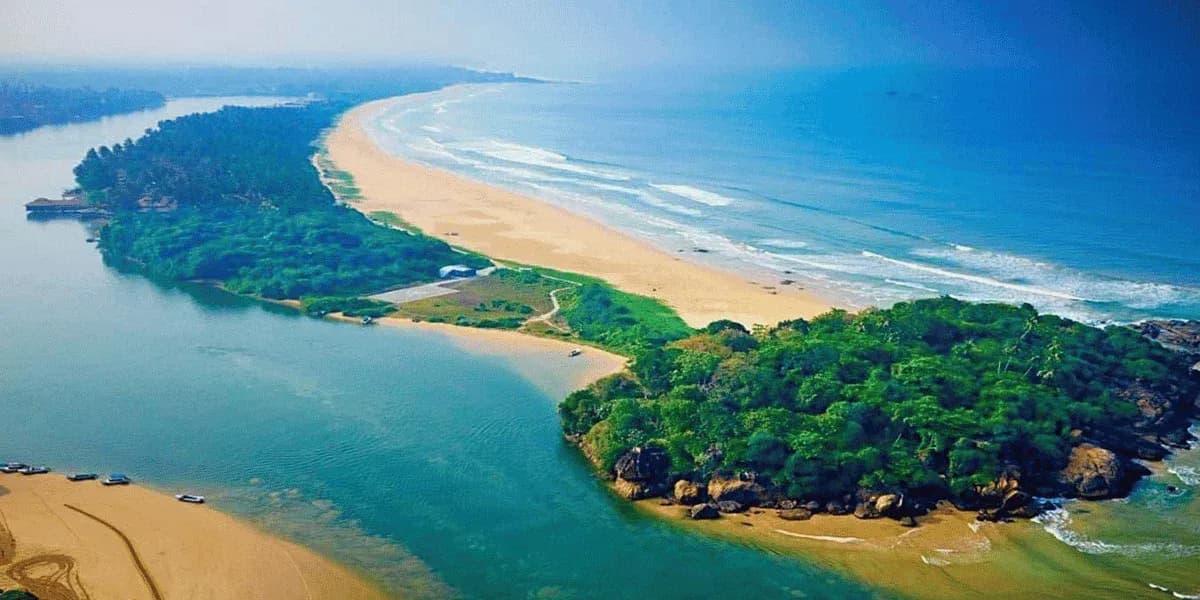
As the surf towns of Sri Lanka's deep south slowly disappear behind you, the coastline begins changing once again. The cafés filled with backpackers and surfboards gradually give way to wider beaches, calm rivers edged by mangroves, colonial-era seaside hotels, fishing harbors, railway crossings beside the ocean, and coastal towns that feel shaped more by trade and everyday ocean life than tourism alone.
Driving north through Bentota, Beruwala, Aluthgama, Kalutara, Wadduwa, Panadura, and eventually toward Mount Lavinia reveals another side of Sri Lanka's western coastline — one deeply connected to rivers, spice trade routes, fishing communities, colonial architecture, tropical wetlands, and warm Indian Ocean evenings.
Unlike the energetic surf coast further south, this region feels broader and slower. Rivers move quietly through cinnamon gardens before reaching the sea. Fishing boats drift back toward harbor at sunset while roadside fruit stalls and seafood grills appear naturally beside the coastal roads.
For many travelers, this becomes the final great coastal journey before Colombo — a stretch where old seaside Sri Lanka still survives between rivers and the Indian Ocean.
Bentota — Rivers, Cinnamon Islands & Tropical Waterways
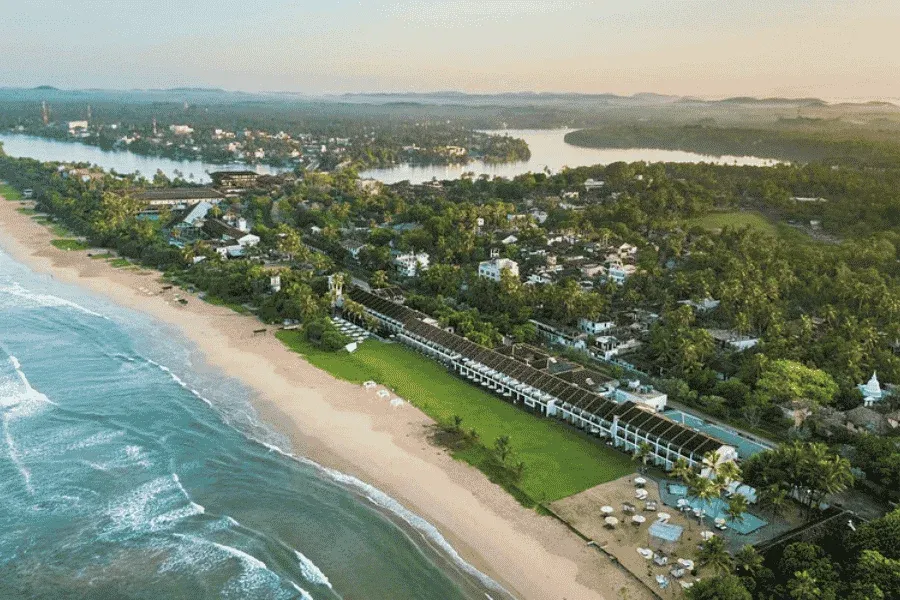
Bentota feels shaped by water. The ocean stretches along one side of town while the Bentota River winds slowly through mangroves, hidden waterways, cinnamon gardens, and tropical wetlands before finally meeting the sea.
For centuries, the river controlled trade, fishing, agriculture, and transport throughout the region. Even the name "Bentota" is believed to come from ancient Sinhala words connected to ferry crossings and river settlements, reflecting how closely the town's identity has always been tied to the water itself.
Today, the river remains the heart of Bentota. Boat safaris move quietly through narrow mangrove channels where kingfishers flash between the trees and water monitors drift beneath the surface almost unnoticed. Some islands along the river still continue cinnamon cultivation traditions linked to Sri Lanka's historic spice trade routes.
Nearby, Lunuganga Estate and Brief Garden reveal another side of Bentota entirely — one shaped by art, architecture, and tropical landscape design through the work of Sri Lankan architects Geoffrey and Bevis Bawa.
The coastline itself feels calmer than many southern beach towns. Early mornings bring fishermen pulling boats onto shore while evenings turn both river and ocean gold beneath the humidity of the western sky.
Things To Experience in Bentota
- Take a river safari through the mangroves of the Bentota River
- Visit cinnamon islands where traditional spice cultivation still continues
- Explore Lunuganga Estate and Geoffrey Bawa's tropical architectural vision
- Walk through the sculpture-filled jungle pathways of Brief Garden
- Watch fishing boats returning toward shore before sunset
- Enjoy seafood dinners beside the river after dark
Beruwala — Maritime Trade & Coastal Muslim Heritage
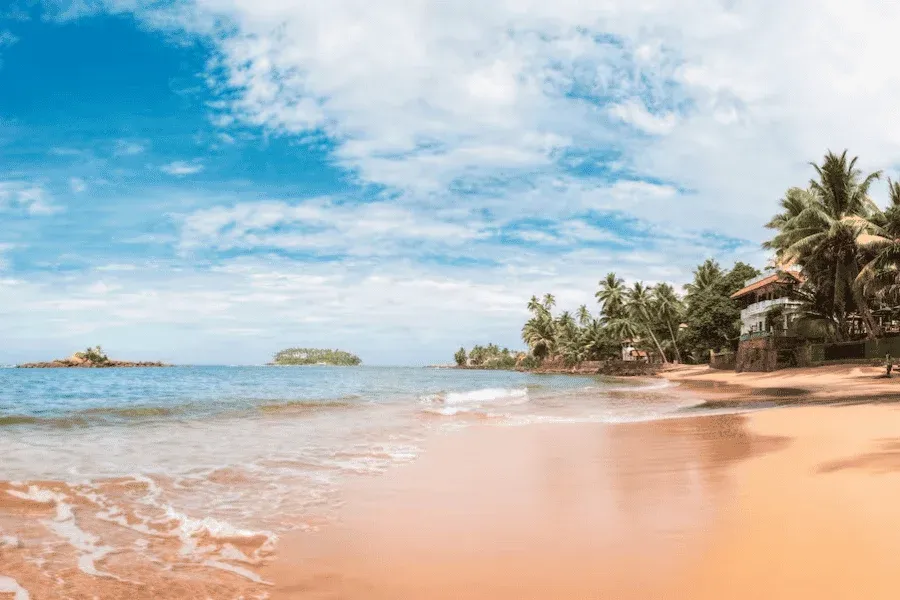
Further north, the coastline begins revealing one of Sri Lanka's oldest trading settlements. Long before European colonial powers arrived on the island, Arab traders crossing the Indian Ocean settled in Beruwala and established maritime communities tied closely to fishing, trade, and Islam. Even today, the town feels deeply connected to the sea.
Fishing harbors remain crowded with colorful boats while seafood markets begin operating early each morning beside the coast. The call to prayer drifts through the air from mosques standing between tightly packed streets and oceanfront neighborhoods.
One of the region's most important landmarks is Kechimalai Mosque, believed to be among the oldest mosques in Sri Lanka. Standing above the coastline, it reflects centuries of Indian Ocean trade links connecting Sri Lanka with Arabia and the wider Muslim world.
Further offshore, Barberyn Lighthouse rises from a rocky island in the sea — one of the western coastline's most recognizable maritime landmarks.
Unlike more tourism-focused beach towns, Beruwala feels working, local, and closely tied to coastal life itself.
Things To Experience in Beruwala
- Visit Kechimalai Mosque during late afternoon overlooking the ocean
- Watch fishermen unload the evening catch near the harbor
- See Barberyn Lighthouse from the shoreline
- Explore seafood markets operating beside the coast
- Taste grilled prawns, cuttlefish, and spicy fish curry near the harbor
Aluthgama — Bridges, Markets & Riverside Life
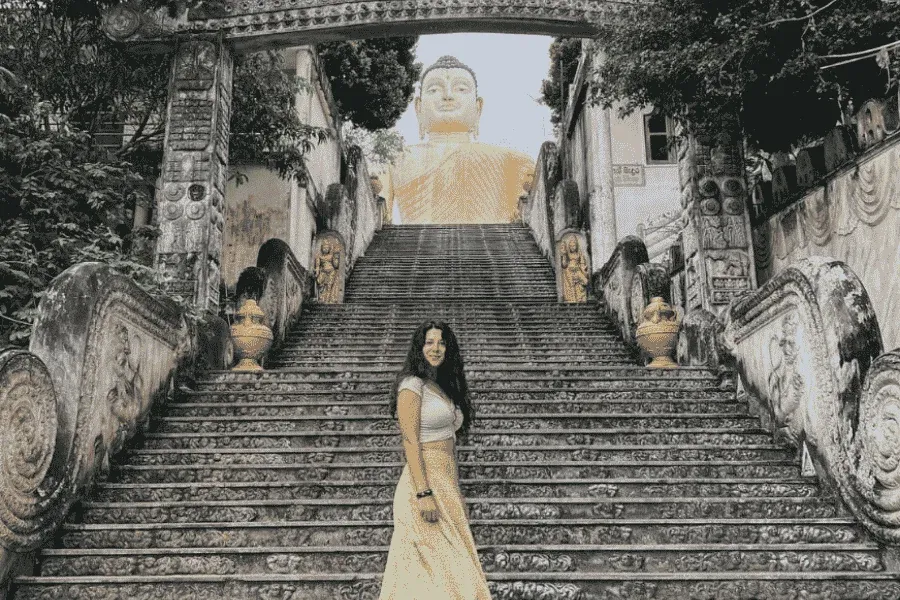
Beside Bentota and Beruwala lies Aluthgama, where everyday coastal Sri Lankan life moves constantly between bridges, roadside bakeries, seafood stalls, markets, and river crossings. Many travelers pass through quickly, but the town offers one of the most authentic glimpses into daily life along the western coastline.
Fruit vendors arrange mangoes and pineapples beneath colorful umbrellas while tea shops spill onto the roadside beside buses and tuk tuks moving toward the river bridge. Fishing boats drift slowly beneath the evening sky as the Bentota River reflects the last light of sunset.
Things To Experience in Aluthgama
- Walk through riverside fruit and spice markets
- Stop for hot tea and fresh roti beside the bridge
- Watch fishing boats move through the river at sunset
- Photograph the evening light across the Bentota River
Kalutara — River Crossroads & Buddhist Heritage
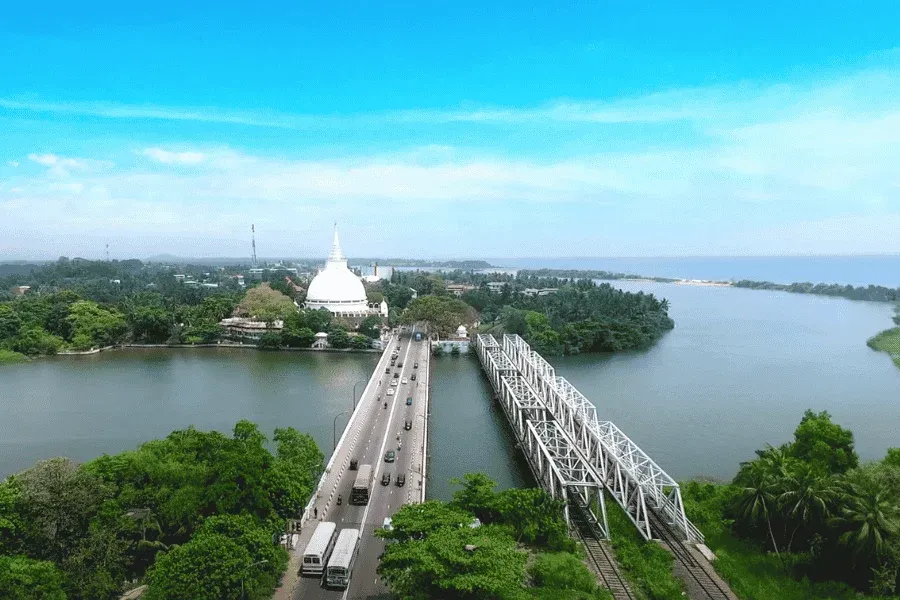
Further north, the coastline reaches the point where the Kalu River flows into the Indian Ocean. Kalutara has long been an important stop along Sri Lanka's western coastal route, and the town still feels shaped by both river and sea.
The most recognizable landmark is Kalutara Chaitya, the enormous white Buddhist stupa rising beside the main coastal road near the river bridge. Travelers heading south or north along the coastline inevitably see its dome appearing above the palm trees.
Nearby, Richmond Castle reveals another layer of Sri Lanka's colonial past through its Edwardian architecture, estate gardens, and unusual history connected to wealthy plantation families of the colonial era.
The surrounding landscape feels greener again here. Coconut estates, roadside fruit stalls, temples, and riverside scenery gradually begin blending into Colombo's growing urban outskirts.
Things To Experience in Kalutara
- Visit Kalutara Chaitya beside the coastal highway
- Explore the colonial interiors of Richmond Castle
- Stop for king coconut and pineapple at roadside fruit stalls
- Walk near the mouth of the Kalu River during sunset
- Visit the sacred Kalutara Bodhiya area
Wadduwa — Quiet Beaches & Slow Ocean Evenings
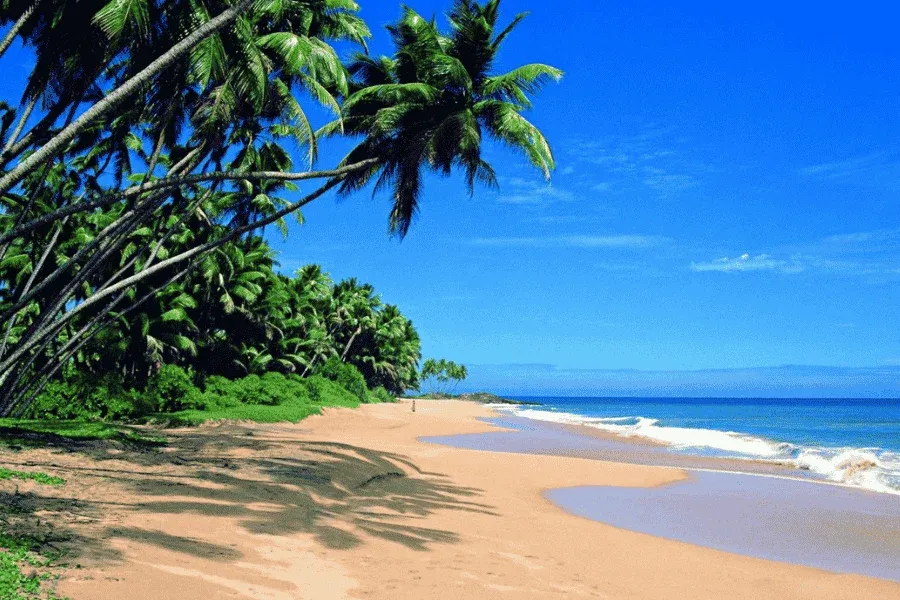
Compared to the busier towns nearby, Wadduwa feels slower and more residential. The beaches stretch long beneath coconut palms while smaller hotels, Ayurvedic retreats, and family-run guesthouses sit quietly beside the ocean. This is less a sightseeing destination and more a place defined by atmosphere itself.
During sunset, much of the coastline empties except for fishermen walking the shore and waves rolling steadily beneath the evening sky.
Things To Experience in Wadduwa
- Stay at an Ayurvedic wellness retreat near the beach
- Walk quiet stretches of coastline at dusk
- Watch local fishermen repair nets beside the ocean
- Listen to waves from small guesthouses hidden behind coconut palms
Panadura — Where the Coastline Meets the City
As the journey continues north, the atmosphere begins changing again. Panadura introduces the transition between Sri Lanka's slower coastal towns and the expanding urban energy surrounding Colombo. Railway crossings, busy roads, seafood stalls, cafés, schools, and oceanfront neighborhoods gradually replace the quieter beach atmosphere further south.
Yet the sea never fully disappears. Fishing communities still line sections of the coast while trains pass dramatically beside the shoreline only meters from the water.
Things To Experience in Panadura
- Photograph coastal trains passing beside the ocean
- Explore roadside seafood stalls and tea shops
- Try fresh fruit juice stands along the main road
- Observe everyday suburban coastal life outside tourist areas
Mount Lavinia — Colombo's Historic Seaside Escape
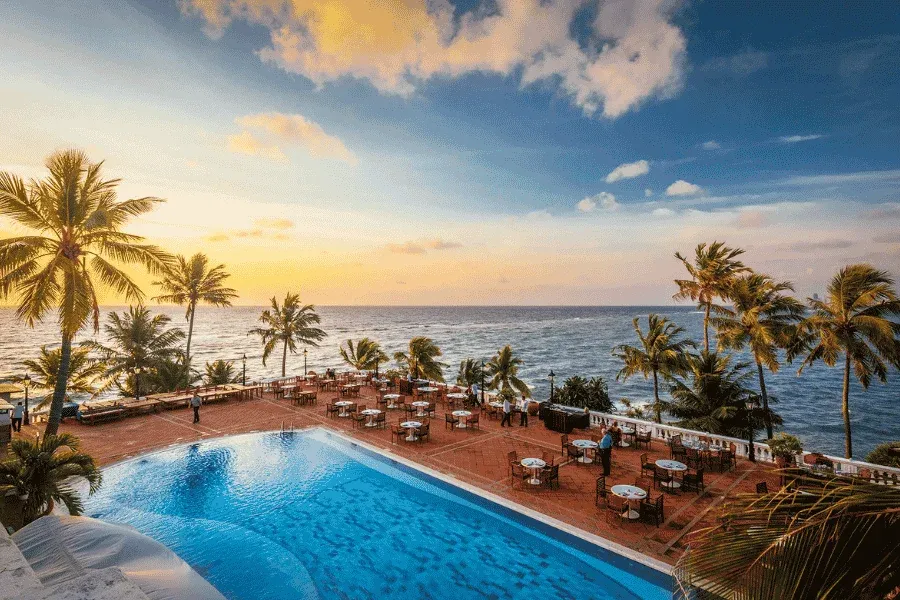
Eventually the coastline reaches Mount Lavinia, where Sri Lanka's beach atmosphere begins blending directly into the energy of Colombo. The region combines colonial history, railway scenery, seafood restaurants, city nightlife, and oceanfront living beside the Indian Ocean. At the center stands Mount Lavinia Hotel, one of Sri Lanka's most iconic colonial-era seaside hotels.
According to local legend, a British governor secretly fell in love with a local dancer named Lovina, eventually giving the area its famous name.
Today, Mount Lavinia remains one of Colombo's most loved seaside escapes. Trains thunder past beside the beach while seafood restaurants fill with evening crowds and music drifts across the shoreline beneath the humidity of the night air.
Compared to the quieter coastline further south, Mount Lavinia feels livelier and more urban — yet still deeply tied to the sea.
Things To Experience in Mount Lavinia
- Visit Mount Lavinia Hotel during sunset
- Watch trains pass only meters from the beach
- Enjoy seafood dinners beside the ocean at night
- Experience Colombo's beachside nightlife and cafés
- Walk the shoreline during warm evening sea breeze
Roads Beside the Indian Ocean
One of the most memorable parts of traveling this coastline is the journey itself. The roads constantly reveal rivers, beaches, mangroves, seafood stalls, Buddhist temples, mosques, railway crossings, and fishing villages appearing unexpectedly beside the drive. Sometimes the best moments happen between destinations — stopping for king coconut beneath the palms, hearing train horns beside the shoreline, or watching fishermen pull boats onto the sand as the sky turns orange over the Indian Ocean.
Every town along this route reveals a different relationship between Sri Lanka and the sea.
Food, Seafood & Coastal Life
Sri Lanka's western coastline remains deeply connected to seafood culture. Fishing harbors, seafood markets, roadside grills, and oceanfront restaurants appear naturally throughout the journey. Lagoon crab, grilled prawns, spicy cuttlefish curry, fresh tuna, coconut sambol, hoppers, tropical fruit juices, and classic rice and curry meals remain central to the coastal experience.
Roadside fruit stalls sell king coconut, mango, pineapple, and wood apple drinks while smaller cafés serve fresh rotis and sweet milk tea beside the road. The atmosphere feels slower than Colombo but more lived-in than many tourism-focused beach destinations further south.
Important Driving Notes
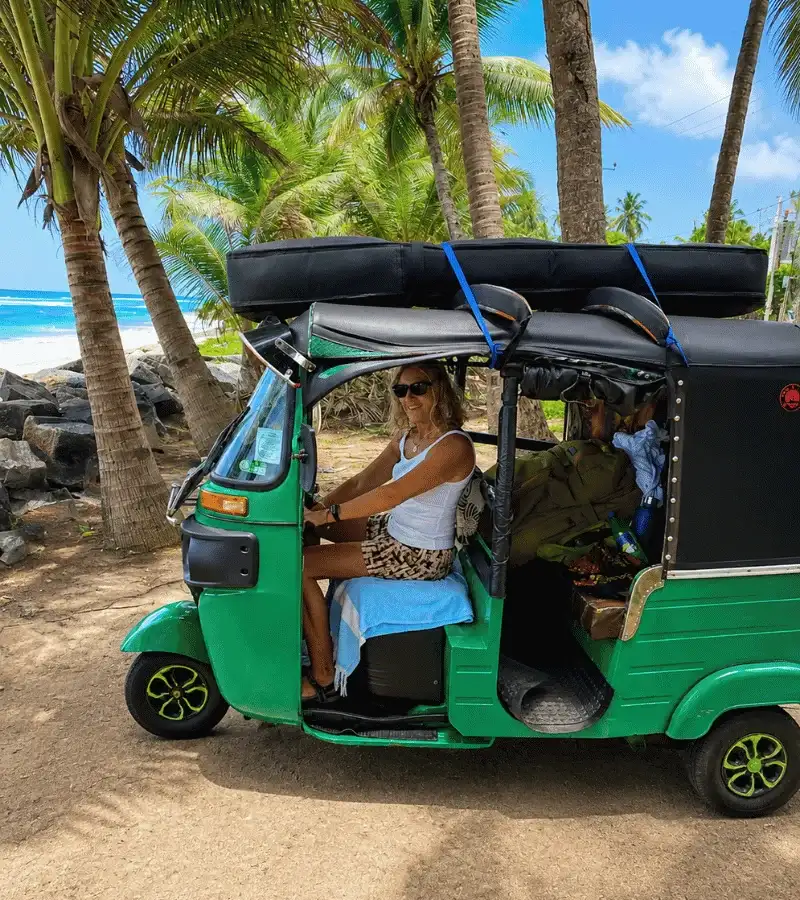
- Tuk tuks are not permitted on Sri Lankan expressways
- Coastal roads near Colombo can become heavily congested during rush hour
- Railway crossings are common along the coastline
- Plan extra travel time when approaching Colombo
- Oceanfront roads can become busy during weekends and holidays
Where To Head Next
From Mount Lavinia, many travelers continue directly into Colombo, where the atmosphere transforms completely into Sri Lanka's fast-moving commercial capital. Others continue north toward Negombo and the airport region before ending their journey around the island.
For many travelers, however, the route through Bentota, Beruwala, Aluthgama, Kalutara, Wadduwa, Panadura, and Mount Lavinia becomes one of Sri Lanka's most atmospheric coastal drives — a stretch where rivers, colonial history, seafood culture, fishing communities, tropical wetlands, and warm Indian Ocean evenings all continue flowing together beside the sea.
Frequently Asked Questions — West Coast Sri Lanka
Can tuk tuks use the Southern Expressway in Sri Lanka?
No. Tuk tuks are not permitted on Sri Lankan expressways. The coastal road (A2) must be used instead, which runs through Bentota, Beruwala, Kalutara, and Mount Lavinia. Plan extra travel time when approaching Colombo as coastal roads can become congested during rush hour.
What is Bentota known for?
Bentota is known for the Bentota River, mangrove boat safaris, cinnamon island tours, and the tropical architectural estates of Lunuganga and Brief Garden associated with Sri Lankan architects Geoffrey and Bevis Bawa. The beach is calmer and quieter than most southern surf towns.
How far is Bentota from Negombo by tuk tuk?
Bentota is approximately 100–110 km south of Negombo via the coastal road. The drive takes around 2.5–3.5 hours depending on traffic and stops, particularly around Colombo and the southern suburbs.
What is Mount Lavinia known for in Sri Lanka?
Mount Lavinia is a seaside suburb of Colombo known for the colonial-era Mount Lavinia Hotel, seafood restaurants beside the ocean, trains that pass only meters from the beach, and a lively evening atmosphere. It is often the last coastal stop before Colombo itself.
What else is worth stopping at between Galle and Colombo?
Notable stops include Bentota for river safaris, Beruwala for the historic Kechimalai Mosque and fishing harbor, Kalutara for the Chaitya stupa beside the coastal road, and Wadduwa for quiet beaches and Ayurvedic retreats.